The Trap of One-Wonder Toys: Why Parents Must Stop Choosing Toys With Limited Play Value
Introduction: The Bright Box That Fades Fast
Every parent knows the scene. A birthday gift is unwrapped, and for twenty minutes the child is transfixed by flashing lights, mechanical sounds, and a remote control that makes a plastic car spin in circles. Then the box is abandoned on the living room floor. Within a week, the toy sits in a corner, dusty and forgotten. This is not a rare accident—it is a predictable outcome of choosing toys with limited play value. The mistake is common, yet deeply harmful: parents often mistake *novelty* for *value*, and entertainment for *engagement*. In the rush to satisfy a child’s craving for the latest gadget or the most colorful interactive doll, we overlook the fundamental purpose of toys: they are tools for open-ended exploration, creativity, and cognitive growth. A toy that can do one thing—and only one thing—teaches a child that play is a passive experience, not an active one. This article explores why this mistake happens, its hidden costs, and how parents can rethink their toy choices to foster deeper, longer-lasting development.
The Seduction of Features Over Flexibility
Why Bright, Loud, and “Smart” Toys Captivate Adults
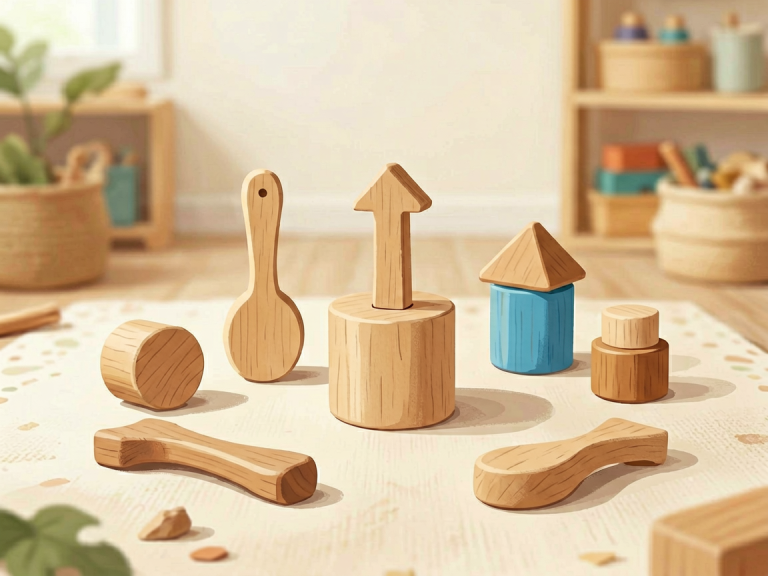
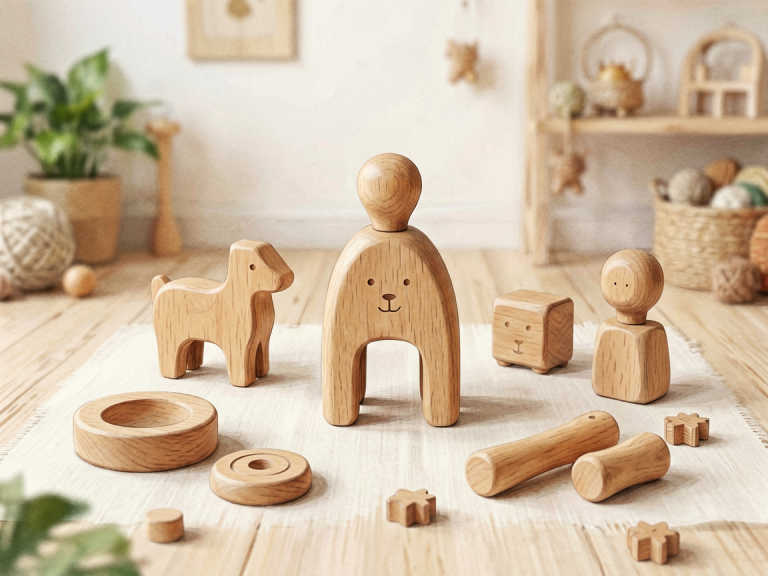
The first reason parents fall into the limited-play-value trap is marketing. Toy companies know that parents are emotional buyers. They package toys as the solution to boredom, the key to “early learning,” or the latest licensed character from a blockbuster movie. The toy itself may have dozens of buttons, sounds, lights, and pre-programmed phrases. It is designed to *perform*, so that the adult feels the money was well spent. But performance is not play. When a child presses a button and the toy sings a song, the child is not creating anything; they are simply triggering a reaction. The play value is exhausted as soon as the child has heard the song ten times. Compare this to a simple set of wooden blocks. A block does not sing, flash, or move by itself. But a block can become a tower, a bridge, a car, a person, a bed for a doll, or a mountain for a toy animal. The block has unlimited play value because it is a blank canvas for the child’s imagination. The flashing toy, however, is a one-wonder: it does one thing, and when that thing loses its novelty, the toy dies.
The “Age-Appropriate” Trap and the Illusion of Educational Value
Another layer of the mistake is the belief that toys labeled “educational” or “STEM” are automatically valuable. Many parents choose toys that promise to teach coding, fractions, or Spanish. But these toys often have a fixed script. They ask a question, the child presses a button, and the toy tells them if they are right or wrong. The child may learn a fact, but they do not learn how to think. A better choice is a simple collection of rocks, leaves, paper tubes, and fabric scraps—items with no script at all. With these, a child invents the game, sets the rules, and solves problems that they themselves define. That is the deepest form of learning. Ironically, the more a toy “does,” the less a child does. Limited play value is not just a matter of boredom; it is a throttle on the child’s own cognitive engine.
The Dire Consequences of the One-Wonder Toy
Stunted Creativity and Shrinking Attention Spans
When children are surrounded by toys that close themselves off—that have a single intended use—their imaginations begin to atrophy. They become dependent on external stimulation. If a toy does not immediately entertain them, they declare, “I’m bored.” This is the opposite of what play should be. Play is the child’s natural laboratory. In unstructured play, a child develops symbolic thinking (a cardboard box is a spaceship), problem-solving skills (how to balance the blocks without falling), and emotional resilience (how to handle a tower tumbling down). Limited play value toys rob them of these opportunities. Instead, these toys teach a cycle of instant gratification: press, receive, move on. As a result, attention spans shrink. A child who is used to a new button every second cannot sit with a pile of bricks and see what emerges from their own patience.
The Cost of Clutter, Money, and Parent–Child Conflict
The financial and emotional costs are also significant. Parents who keep buying one-wonder toys at every holiday and birthday quickly accumulate a mountain of plastic clutter. The child plays with each item for ten minutes, then requests the next. The parent, exhausted, keeps purchasing, hoping that this time the toy will stick. But it never does. Worse, when the child still says “I’m bored” in front of a room full of robots and talking plushies, the parent feels frustrated and guilty. This leads to a vicious cycle of overbuying, which only increases the child’s sense of entitlement and diminishes their ability to appreciate what they already have. In contrast, a small, thoughtfully curated collection of high-play-value toys—blocks, magnets, art supplies, dress-up clothes, small figures—can provide hundreds of hours of continuous pretend play. The difference is not in the quantity of toys, but in the quality of the *space for play* they open up.
How to Escape the Trap: A Practical Guide for Parents
Choose Toys That Empower, Not Perform
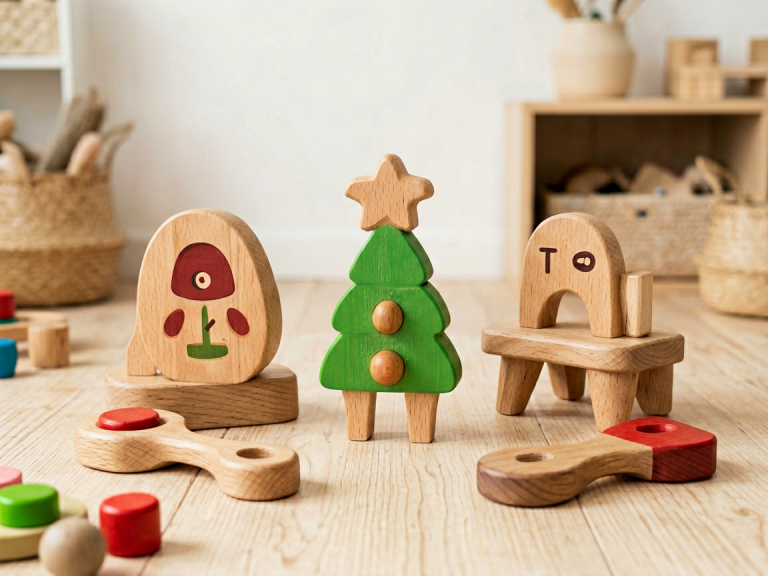
The best toys are those that act as props for the child’s own scripts. A wooden spoon is a wand, a drumstick, a sword, a telescope. A set of colored silk scarves can be a costume, a parachute, a river, a roof. When evaluating any toy, ask this question: *Does the toy do the playing, or does my child do the playing?* If the toy’s value is in its buttons, sounds, or programmed responses, walk away. Instead, choose toys that are:
- Open-ended: they have no fixed purpose, so the child must supply the meaning.
- Durable and simple: they last for years and can be used in countless ways.
- Process-oriented: they encourage building, cutting, stacking, painting, or experimenting—not just watching.
Use the “30-Second Test” and the “Replay Test”
Here are two simple mental tests parents can use before buying. First, the 30-second test: imagine the child unwrapping the toy. Will the toy be just as interesting after thirty seconds of play, or will they have already seen everything it can do? A plastic shark that opens its mouth is fully understood in thirty seconds. A set of plain wooden planks, however, remains interesting after thirty minutes—because the child can change the board’s shape, height, and function. Second, the replay test: will the child want to return to this toy tomorrow, next week, or next year? If the answer is yes only because the batteries are new, that is not genuine play value. If the answer is yes because the child can invent a new game each time, you have found a keeper.
Rethink Gifts and Declutter with Purpose
Finally, parents must change how they give and receive toys. When relatives ask what to bring for a birthday, do not say “anything.” Guide them toward consumable art supplies (paper, tape, clay), building materials (magnets, blocks), or experiences (tickets to a museum, a playdate at a park). When a limited-value toy inevitably appears, do not feel pressured to keep it. Put it in a recycling bin or donate it quickly. Explain to older children: “This toy is a one-trick pony. We are making room for toys that your imagination can grow with.” This is not being cruel; it is being intentional.
Conclusion: Less Flash, More Wonder
The mistake of choosing toys with limited play value is understandable—advertising, social pressure, and a parent’s desire to please their child all push us toward the shiny, noisy, one-function gadget. But the cost is real. These toys do not just waste money and space; they waste a child’s most precious developmental resource: their own imagination. When we choose toys that are quiet, simple, and open, we are not choosing boredom. We are choosing the opposite. We are choosing toys that become alive through the child’s hands, toys that whisper “what next?” instead of shouting “press me.” The best toy is not the one that does the most—it is the one that allows the child to do the most. So the next time you stand in a toy store, look past the flashing lights. Pick up the plain box of craft sticks. Hand it to your child and watch. In a few minutes, it will become a bridge, a sword, a robot’s antenna, a giant pencil, a canoe. That is not a toy. That is an entire universe. And your child is the one who gets to build it.