The Siren Call of Shiny Boxes: Why We Buy Toys for Two-Year-Olds Based on Packaging
Introduction: The Battle at the Aisle
Every parent knows the scene. You are standing in a brightly lit toy store, your two-year-old perched in the shopping cart, when a fluorescent orange box emblazoned with a grinning cartoon dinosaur catches your eye. The packaging promises “50+ Sounds and Lights!” and “Developmental Fun!”. You grab it without a second thought. Later, at home, you rip open the cardboard, hand the toy to your toddler, and watch as they ignore it completely, preferring the crinkly tissue paper and the empty box. This is a universal ritual of modern parenting, and it reveals a puzzling truth: we often buy toys for two-year-olds based on packaging rather than the actual play value. While this habit might seem harmless, it is a complex phenomenon driven by clever marketing, parental psychology, and the developmental reality of toddlers. Understanding why we fall for the pretty boxes—and how to resist them—can save both our wallets and our sanity.
The Psychology of Packaging: Marketing to the Parent, Not the Child
At first glance, one might argue that packaging for toddler toys is designed to appeal to the child. After all, the bright colors, friendly characters, and loud graphics seem crafted for tiny eyes. But a two-year-old cannot read, cannot independently choose a product, and rarely has the patience to study a shelf. The real target audience is the adult standing in the aisle—the parent, grandparent, or friend. Marketers know this well. They use packaging as a silent salesperson, whispering promises of educational value, social approval, and parental competence.
Consider the ubiquitous phrase “Ages 2+” printed in a glossy badge. This tiny label is a powerful persuasion tool. It signals to the buyer that this toy is age-appropriate, safe, and developmentally beneficial. But what does “2+” actually mean? In many cases, it simply means that the toy does not contain small parts that pose a choking hazard. It says nothing about whether the toy is actually interesting, durable, or capable of holding a toddler’s attention beyond the first ten minutes. Yet because we see that badge, we feel a sense of reassurance. The packaging has successfully shifted our decision-making from rational evaluation to emotional comfort.
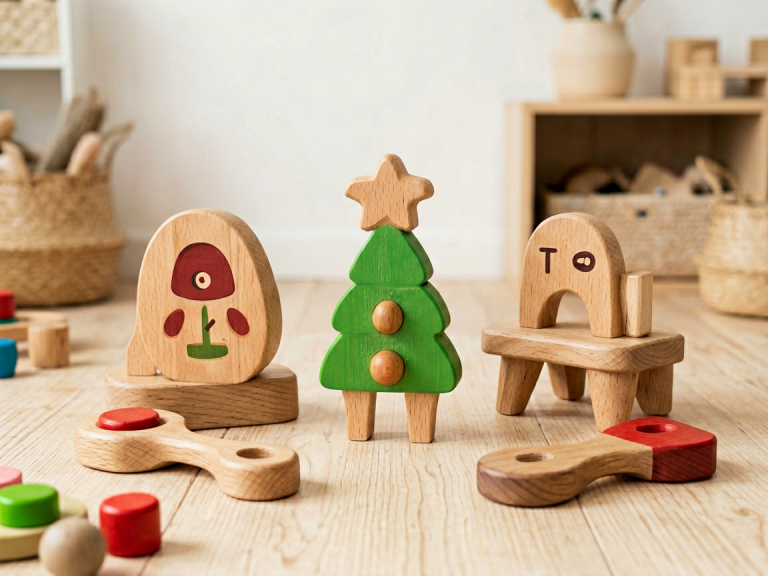
Another packaging trick is the use of “eco-friendly” or “natural” materials. A cardboard box with muted earth tones and wooden blocks depicted inside instantly signals to a conscious modern parent: this is wholesome, safe, non-toxic, and will make my child smarter and more creative. The packaging doesn’t have to prove anything; the aesthetic alone does the work. Meanwhile, a flashy plastic toy with screaming neon colors might be dismissed as “junk,” even if it actually offers more open-ended play. We are not buying the toy; we are buying the story that the packaging tells us about ourselves as good, caring parents.
The Toddler Paradox: Why the Toy Box Beats the Toy
There is a cruel irony in the fact that two-year-olds are famously more interested in the packaging than the product inside. Boxes, wrapping paper, ribbons, and bubble wrap become objects of endless fascination. Why? Because a two-year-old’s brain is wired for sensational exploration, not functional utility. They are natural scientists, testing cause and effect, exploring textures, and practicing fine motor skills. A box can be stacked, knocked down, turned into a hat, or used as a hiding spot. The toy inside, however, often has a single prescribed function: press a button to hear a song, slide a lever to pop up a puppet. That toy is finished once the action is repeated a few times. The box, by contrast, offers infinite possibilities.
This developmental stage creates a paradox for parents. We buy toys based on packaging because we assume that a polished, colorful, and professionally packaged product must be high quality. But the toddler’s actual play behavior is driven by the joy of discovery, not by the product’s marketing intentions. The shiny accessory that comes with a doll—a tiny comb or a mirror—might be thrown aside, while the plastic wrapping around it becomes a coveted necklace. So when our child ignores the £40 toy and plays with the £0 cardboard box, we feel annoyed and even betrayed. Did we buy the wrong thing? Was the packaging lying? In reality, the packaging was simply doing its job—it got us to buy. It never promised to guarantee an hour of independent play.
The Hidden Costs of Package-Based Purchases
Beyond the immediate waste of money, buying toys based on packaging has several hidden costs. First, there is the environmental cost. Most toy packaging is a nightmare of plastic shrink wrap, twist ties, and non-recyclable composite materials. For every toy purchased in a mountainous cardboard-and-plastic fortress, a small mountain of waste enters the landfill. And since many of these toys are soon forgotten, the waste doubles: the packaging and then the toy itself. Second, there is the cost of clutter. Homes fill up with cheap, highly packaged toys that break within weeks, creating a stressful environment for children and caregivers alike. Child development experts often note that too many toys can overwhelm toddlers, leading to shorter attention spans and increased fussiness. A child surrounded by dozens of once-desirable, packaging-driven purchases may actually play less, not more.
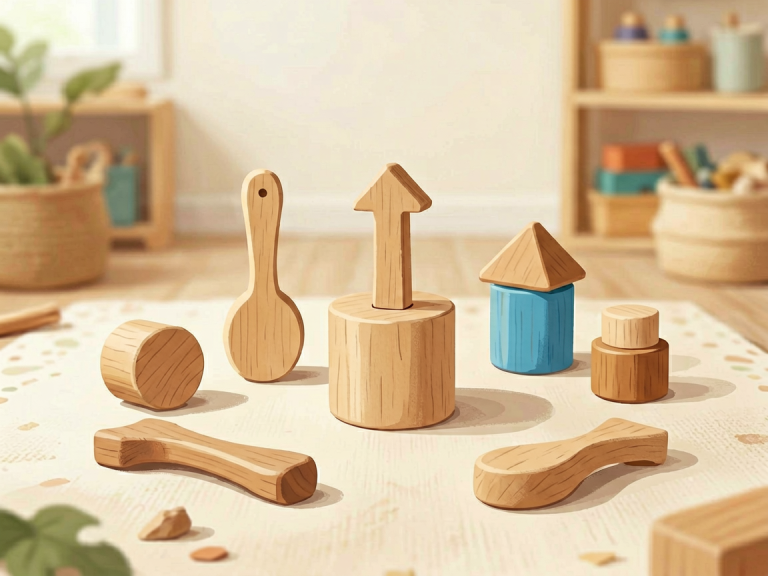
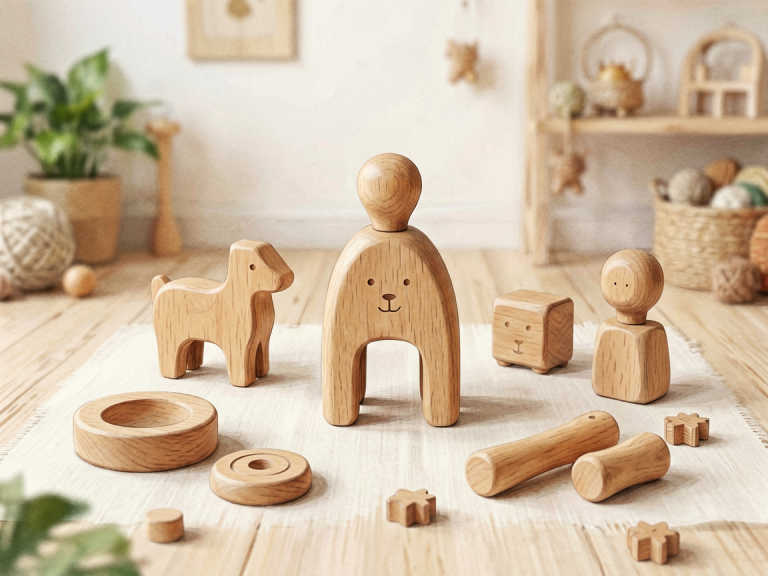
Third, and perhaps most importantly, there is a hidden psychological cost to the parent. Every failed toy purchase—the one that ends up ignored in a corner—triggers a sense of guilt and inadequacy. We begin to doubt our own judgment. But the blame rests not with us but with the packaging bias. We have been trained to equate visual appeal with play value, yet these two things have almost no correlation for a two-year-old. The most engaging toys of this age are often the least packaged: a set of plastic cups, a cardboard box, a sand bucket, a few large wooden blocks. These require no flashing lights, no character licensing, no promises of “IQ boost.” They are the silent heroes of toddlerhood, usually hidden at the back of the shop, unglamorous and unadvertised.
How to Break the Cycle: A Practical Guide for Parents
So how can a well-meaning parent resist the siren call of the glossy box? The first step is to change the decision-making ground. Before picking up any toy, ask yourself: *Would my two-year-old choose this if they couldn’t see the packaging?* If the toy is something you could imagine them grabbing in a room full of similar objects, then it passes the test. If not, put it back. Second, learn to look beyond the box. Open the package if possible, or look at online reviews and videos that show the actual toy in real play. Photographs on the packaging are professionally staged and lit, often showing children in ecstatic laughter. Real play is messier, shorter, and more unpredictable. Third, set a personal rule: for every new toy, buy one that is completely free of packaging—like a basic wooden block, a silicone ball, or a stack of paper cups from the kitchen. This will train your brain to focus on the raw material of play, not the marketing wrapper.
Another useful strategy is to involve your toddler in the purchase in a safe, limited way. Let them choose between two options, but present both without their packaging. For example, take the toy out of the box, then let your child touch it, press its buttons, and see if it sparks any interest. If the child responds to the toy itself, that is a far better signal than any logo. And if they still prefer the box, well, that’s a valuable lesson: maybe you can simply give them the box and skip the toy store altogether. A half-hour of kitchen cabinet exploration can yield more joyful play than a £50 packaged gift.
Finally, remind yourself of the ultimate truth about two-year-olds: they are not consumers. They have no brand loyalty, no desire for collectibles, and no respect for price tags. They value what they can touch, drop, spin, stack, and hide. The packaging is a message from a commercial adult world, not from your child’s mind. When you buy a toy based on packaging, you are buying a fantasy of yourself as a magical gift-giver. But the real magic happens when you let your child lead the play, free from the noise of the box. So next time you find yourself reaching for the loudest, brightest package on the shelf, pause. Take a deep breath. And walk toward the plain cardboard section. Your toddler will thank you not with words, but with a long, happy hour of playing with the empty box you nearly threw away.
Conclusion: See the Box, See Through It
In the end, buying toys for two-year-olds based on packaging is a natural, almost unavoidable human mistake. We are drawn to shininess, order, and promises. We want to make the right choice. But the right choice is rarely visible on the outside of the package. It lives in the heft of a wooden block, the simple slide of a cardboard ram, the satisfying crunch of a paper bag. These are the toys that two-year-olds truly love. The glossy boxes are for us, the adults—a fleeting dopamine hit at the cash register. The actual play, however, happens after the box is thrown away. So let us become conscious consumers of toy packaging: skeptics of shiny claims, lovers of the plain and the sturdy. Let our children teach us that the best toy is not the one with the most brilliant wrapping, but the one that ends up being used as a rocket ship, a drum, and a hat. That is the only packaging that truly matters.