The Glossy Trap: Why Packaging Shouldn’t Guide Toy Purchases for Three-Year-Olds
Walk into any toy store, and you’ll see a battlefield of neon colors, cartoon mascots, and shrink-wrapped plastic windows. For a three-year-old, this is paradise. For a parent, it’s a minefield. The packaging screams “educational,” “interactive,” and “STEM-approved,” while the actual toy behind the cardboard often turns out to be flimsy, repetitive, or wildly inappropriate for a child’s developmental stage. Yet countless parents—myself included, at times—have fallen for the glossy box, only to watch the child play with the ribbon and ignore the gift. When it comes to buying toys for three-year-olds, relying on packaging is not just a minor mistake; it’s a systematic failure that prioritizes marketing over genuine child development. This article explores why packaging is a poor guide, what three-year-olds truly need from toys, and how parents can break free from the commercial spell.
The Psychology of Packaging: How Bright Boxes Win Over Parents
To understand why we buy toys based on packaging, we must first understand the psychology behind the colors and fonts. Packaging designers know that adults—not children—hold the wallets. Therefore, they craft boxes to appeal to adult anxieties and aspirations. A box with the word “genius” in bold letters, paired with a smiling child scientist, immediately taps into a parent’s desire to give their kid a head start. Similarly, a package featuring a beloved cartoon character like Peppa Pig or Paw Patrol creates an emotional shortcut: if the child recognizes the character, the parent assumes the toy is worth it. The packaging itself becomes a promise—a promise of learning, joy, and peace. But like most advertising promises, it is largely unverified.
For a three-year-old, the packaging is even more powerful. At this age, children are egocentric and visually driven. They cannot read descriptions, compare age recommendations, or evaluate materials. They see a bright red box with a big shiny truck and immediately want it. They do not care that the truck is made of cheap plastic and will break in twenty minutes. They care about the image. The “nag factor” then kicks in: the child throws a tantrum in the aisle, and the exhausted parent surrenders, believing that the toy’s packaging must have some merit because the child is so desperate. This cycle is not accidental; it is engineered. Toy companies invest millions in packaging research to trigger impulsive purchases. They know that a three-year-old cannot distinguish between a great toy and a mediocre toy, so they design packaging to be a sensory assault that bypasses rational thought.
What a Three-Year-Old Actually Needs: Developmentally Appropriate Play
To evaluate whether packaging is a reliable guide, we must first define what a three-year-old actually needs from a toy. Developmental psychologists consistently emphasize that children around age three are in the “preoperational stage,” according to Jean Piaget. They are developing language, imagination, and symbolic thinking, but they still struggle with logic and perspective-taking. Their play is largely sensory and motor-based. A good toy for a three-year-old should support several core areas: fine and gross motor skills, spatial reasoning, social-emotional growth, and creative pretend play. Crucially, it should be open-ended—meaning the child can use it in multiple ways—rather than a fixed, one-function gadget.
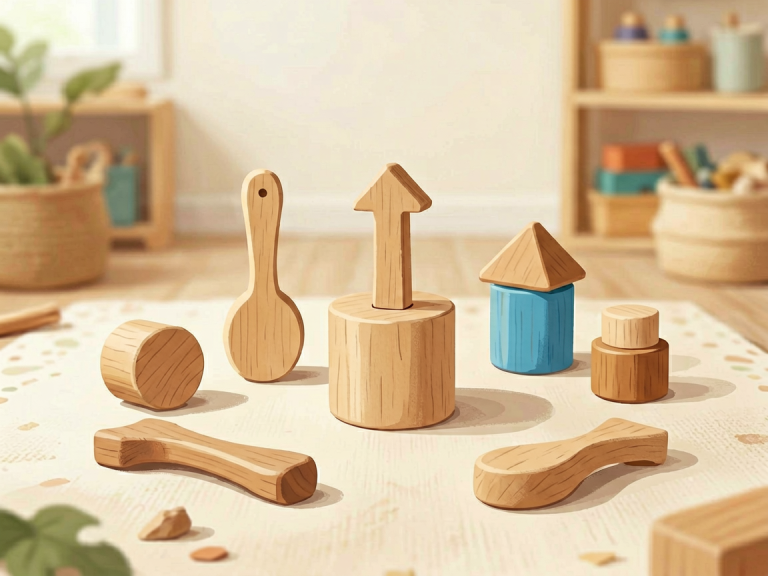
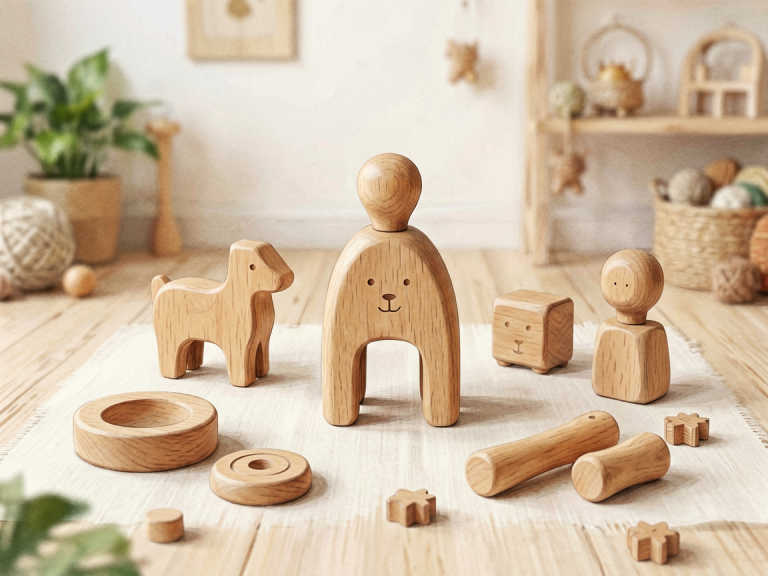
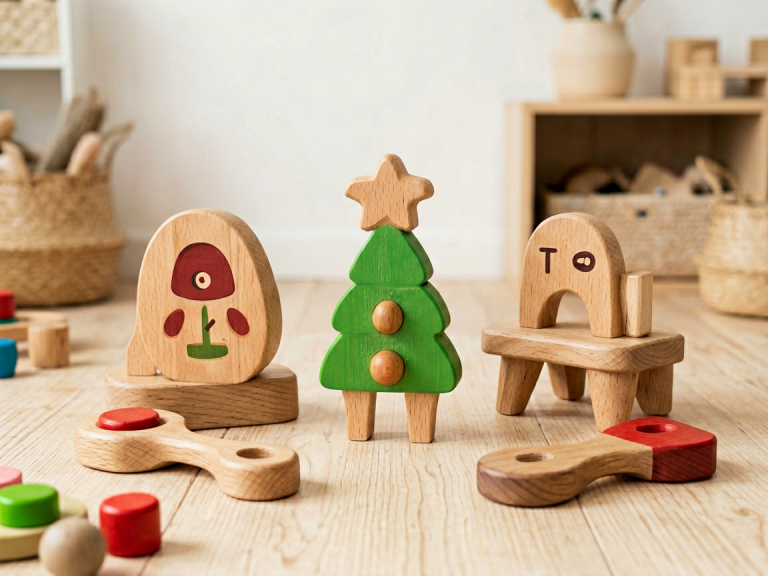
For example, a set of large wooden blocks can become a tower, a bridge, a cave for animal figurines, or a pretend birthday cake. A simple cardboard box can be a rocket ship, a tunnel, or a washing machine. These toys do not need dazzling packaging; their value lies in their versatility and durability. Similarly, art supplies like chunky crayons, playdough, and finger paints allow a three-year-old to explore textures and cause-and-effect relationships. Social toys like dolls, dress-up clothes, and play kitchens encourage language and role-play with caregivers or peers. Physical toys like balls, tricycles, and balance beams develop coordination and body awareness. Notice what these toys have in common: none of them rely on a screen, a battery, or a flashy box. Their “packaging” is irrelevant to their function.
The American Academy of Pediatrics recommends choosing toys that are safe, simple, and encourage interaction with caregivers, not passive entertainment. A three-year-old learns best through active engagement and repetition. A toy that does one thing—like a plastic guitar that plays a pre-recorded song when you press a button—may entertain for a minute, but it quickly loses its appeal because it offers no challenge, no novelty, and no room for imagination. Packaging that promises “5 modes of play” often means “5 annoying sounds that will drive parents insane.” The developmental needs of a three-year-old are best served by toys that allow the child to drive the play, not the other way around.
The Mismatch: Packaging Promises vs. Real Play Value
Now, let’s place these two ideas side by side: the packaging designed to sell and the developmental needs designed to grow. The mismatch is glaring. Packaging highlights features that are easy to photograph and list on a bullet point: lights, sounds, remote controls, “smart” chips, and pre-programmed dialogues. These features are intended to wow the adult buyer, but they often inhibit a child’s creativity. When a toy does all the work, the child becomes a passive spectator. A three-year-old pressing a button to hear a dog bark is less interactive than a child using a stuffed animal to pretend the dog is chasing a ball. The packaging’s promise of “interactivity” is actually a lie: true interactivity requires a child’s mind and body, not a circuit board.
Worse, packaging often misrepresents age appropriateness. A box may say “2+,” but contain small magnets that are a choking hazard for a three-year-old’s younger sibling. Or it may say “5+,” but actually require reading skills that a three-year-old lacks, causing frustration and a quick loss of interest. The age labeling system is not standardized by law, and manufacturers often use it as a marketing tool rather than a safety or developmental measure. The package also fails to disclose durability. How many times have you bought a “plastic masterpiece” because the packaging looked sturdy, only to see it crack into sharp shards on day two? Packaging is designed to be thrown away; it says nothing about how long the toy will last, whether the paint is lead-free, or whether the pieces will fit together after repeated use.
Consider the infamous “cry of the toy aisle”: the over-licensed, character-driven packaging that features a giant image of the character and a tiny image of the actual toy. The child sees Elsa from Frozen, and the box’s front is 80% Elsa’s face. The child begs for it. The parents buy it. They open it, and inside is a cheap plastic figurine with a stiff arm and a smeared paint job. The child is disappointed, but because they are three, they cannot articulate that the packaging lied. They just feel a vague sense of letdown. Over time, this teaches children that desire and fulfillment are connected to shiny things—a lesson that will lead to a lifetime of consumerist anxiety. The packaging not only misleads the purchase; it also shapes the child’s early relationship with material goods.
Practical Strategies for Buying Toys Without Falling for Packaging
So how can a parent resist the glossy trap? The first step is to ignore the front of the box entirely. Turn the box over and look at the photograph of the actual toy. Many packages show the toy in use, but sometimes that image is staged with exaggerated dimensions or extra accessories that are not included. Read the fine print listing the number of pieces and the materials. If the box says “batteries not included,” be aware that this is a hidden cost and often a sign of a passive toy. Then ask yourself: will this toy still be interesting in a month? Will it work with other toys my child already owns? Can my child use it without my help? If the answer to the last question is no, you may be buying a toy that is beyond their ability, and the packaging was merely fooling you.
Another strategy is to adopt the “cardboard box test.” Before purchasing any toy, imagine giving it to your child inside a plain brown box. Would your child still be excited? If the toy’s appeal relies solely on the flashy packaging, then it’s not a good toy. Instead, prioritize toys that are packaged in minimal or recyclable materials, because that often indicates a company that cares about substance over show. Better yet, bypass the toy aisle temporarily. Give your three-year-old household items: wooden spoons, cardboard tubes, old shirts, large plastic containers. These are the original “open-ended toys.” They can be stored on a low shelf in a basket. No packaging needed. The best play experiences for three-year-olds are usually not bought at all—they are discovered in the kitchen cabinets and the garden.
When you do buy toys, choose established brands known for safety and durability, such as Melissa & Doug, Green Toys, or Playmobil (for older ages). These brands often use transparent packaging that shows the actual toy, with honest age labels. Avoid “blind bags” or mystery boxes, which are a total gamble and exploit children’s natural curiosity. Remember that a three-year-old does not need a new toy every week. They need repetition and familiarity. Instead of one big shiny purchase, consider a subscription to a toy library or a swap group with other parents. This reduces waste, saves money, and removes the pressure of packaging altogether. Most importantly, learn to say “no” in the store. The more you practice, the easier it becomes. The child’s tantrum will fade, but your bank account and your home’s clutter will thank you.
Conclusion: Behind the Box, Not Inside It
The toy industry would love you to believe that the packaging is a window into the toy’s soul. In reality, it is a window into the marketer’s desperate attempt to separate you from your money. For a three-year-old, the best toys are those that awaken imagination, build skills, and withstand the chaotic energy of early childhood. They are not the ones with the loudest colors or the cleverest slogans. They are the ones that allow a child to hold, stack, toss, destroy, and rebuild. By ignoring the packaging and focusing on developmental needs, parents can reclaim their role as facilitators of play rather than mere purchasers of products. The next time you pass the neon aisle, take a breath. Look at your child. Ask them to point at something—but not the box. Ask them what they want to *do* with it. The answer will surprise you. No packaging can contain a three-year-old’s imagination. So buy toys that let it out.