The Box Beckons: Why We Buy Toys for Four-Year-Olds Based on Packaging
Every parent knows the scene: a brightly colored aisle in a big-box store, shelves stacked with plastic-wrapped promises, and a small hand tugging at your sleeve. “I want that one!” the four-year-old declares, pointing at a box covered in cartoon explosions and a grinning superhero. You look at the price tag, sigh, and toss it into the cart. Later, at home, the elaborate packaging is ripped apart in seconds, the shiny cardboard discarded, and the actual toy—a flimsy piece of molded plastic—is abandoned within the hour. This is the familiar ritual of buying toys based on packaging for 4-year-olds. It is a phenomenon that shapes the toy industry, confuses parents, and ultimately fails the very children it claims to delight.
The Siren Call of the Shiny Box
Toy packaging is not designed for children; it is designed to *sell* to children. For a four-year-old, the box is the toy. The front panel features a glossy, digitally rendered scene of the toy in action—a dinosaur roaring, a princess twirling, a race car zooming—with exaggerated colors and oversized characters. Behind the plastic window, the actual product sits, often smaller and less impressive than its portrait. But the child does not see the discrepancy. Their developing brains are wired to respond to bright contrasts, familiar faces from TV or YouTube, and the promise of immediate fun. The packaging hijacks their attention through what child-development experts call “perceptual salience”: the visual features that stand out most intensely. For a preschooler, a huge orange font reading “SUPER BLAST!” is more compelling than the actual mechanics of the toy.
What makes this even more effective is the strategic use of “character licensing.” A box bearing the face of a beloved cartoon dog will trump a generic, plainer box every single time, regardless of the toy’s quality. The packaging acts as a miniature billboard for a whole media franchise, and the four-year-old, still mastering the difference between fantasy and reality, genuinely believes that owning the boxed item will bring the character to life. This is not simply a preference; it is an eager, gut-level conviction. The cardboard becomes a portal to a world of imagined play—until the portal is opened, and the world turns out to be a brittle, cheaply made trinket.
What a Four-Year-Old Actually Sees (and Needs)
To understand why packaging-based purchases are so often disappointing, we must step into the perceptual world of a four-year-old. At this age, children are not yet capable of logical reasoning about cost, durability, or long-term value. Their decision-making is dominated by impulse and immediate affect. A box that is big suggests a big toy—size confuses them. A box that is heavy with plastic inserts suggests abundance. They cannot read the fine print on the back that says “batteries not included” or “small parts, not for children under 3.” They also cannot foresee the inevitable moment, twenty minutes after opening, when the toy’s single play feature (a button that makes a noise, a wheel that spins) loses its novelty.
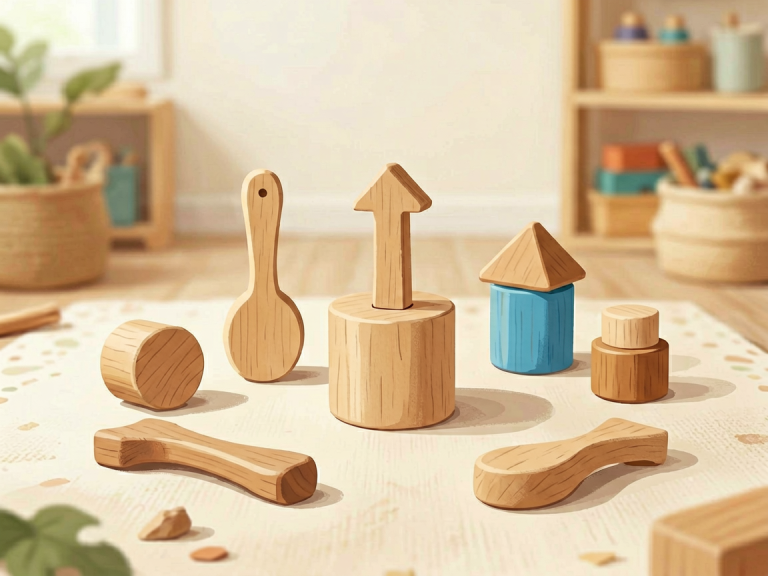
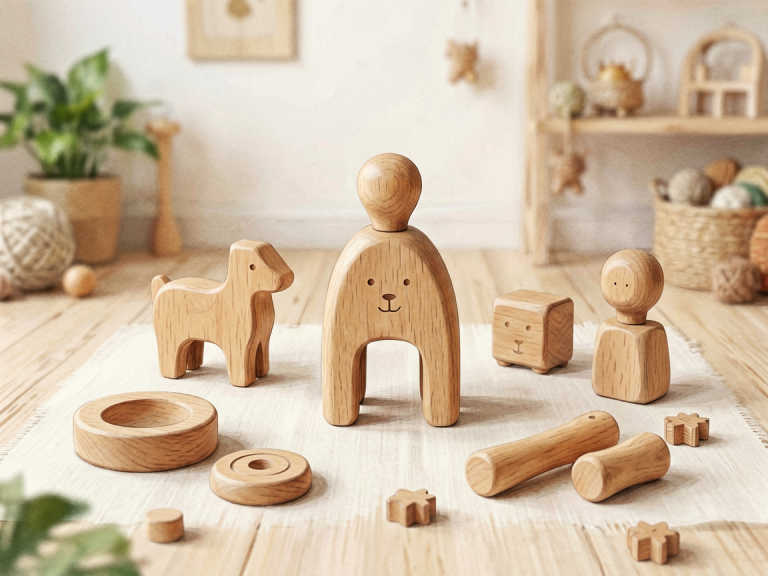
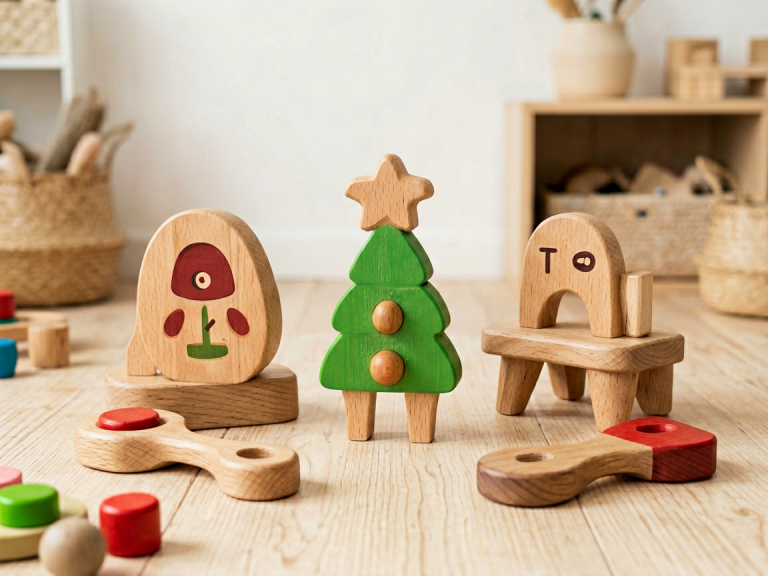
Yet what does a four-year-old *truly* need from a toy? Developmentally, this is the age of pretend play, gross motor exploration, and social cooperation. The best toys for this group are open-ended: blocks, dolls, dress-up clothes, art supplies, simple vehicles, and puzzles. These toys do not require elaborate packaging to communicate their value. A set of stacking cups can be sold in a clear, simple mesh bag. A wooden train can come in a plain cardboard box. The problem is that open-ended toys rarely have dramatic, sellable “moments.” They cannot be depicted mid-explosion or mid-dance. They are quiet. And so the industry pushes *narrative-driven* toys with sensational packaging—because narrative sells, even when the actual play value is shallow. For a four-year-old, a box covered in stickers of rocket ships is more thrilling than the simple, unadorned cylinder that might contain a genuinely wonderful set of magnetic tiles.
The Mismatch Between Package Promise and Play Reality
Consider a typical purchase: a “Transform-a-Bot” warrior in a huge box. The packaging shows the robot with glowing eyes, missile launchers, and an army of tiny allies. Inside, the parent finds a few pieces of flexible plastic held together by elastic bands. The figure bends in only two places. The glowing eyes are a sticker. The missiles are not included—they are sold separately in a smaller, even more misleading package. The child attempts to reenact the dramatic scene from the box, but the toy collapses or breaks. Frustration follows. The parent feels cheated. The toy goes into the “junk drawer” within days.
This mismatch is not accidental; it is the core of a cynical business model. Packaging is engineered to create a “peak experience” fantasy, while the product is manufactured to the lowest possible cost. For parents, the moment of purchase is heavily influenced by what psychologists call the “affect heuristic”—we make a fast, emotional decision based on the attractive box, rationalizing that “he really wants it” or “she’ll play with it for hours.” But the emotional payoff is brief. Research on children’s toy preferences shows that after the first week, most children consistently choose toys that allow for complex, imaginative play over those that merely replicate a scene from a screen. Yet the initial purchase is not driven by that research; it is driven by the box.
Moreover, the packaging often obscures warning signs of poor quality. A four-year-old will happily play with a cracked wheel or a torn sticker, but a parent who has spent twenty dollars on a “deluxe” set feels a sharper resentment. The physical act of opening the package—the foil, the twist ties, the molded plastic—has been deliberately designed to feel like a gift. But once the layers are peeled away, the toy shrinks. This has a practical consequence: children learn over time that packaging lies. By age six or seven, many kids begin to distrust the hype, but at four, they remain exquisitely vulnerable to it. Every failed purchase chips away at their trust in the adult who made the choice, even if they cannot articulate that feeling.
The Psychology of Grown-Up Buyers
We cannot blame just the four-year-olds. The adult making the purchase is also being manipulated—not only by the packaging, but by their own emotional state. Parents and relatives often buy toys for four-year-olds not to satisfy the child’s developmental needs, but to express love, relieve guilt, or buy a few minutes of peace. A toy wrapped in a bright, impressive box feels like a more generous gift than an identical toy in plain packaging. The size of the box can even serve as a proxy for the size of our affection. Grandparents, in particular, are susceptible to “grandparent syndrome”: the desire to be the favorite giver of spectacular gifts. They may deliberately choose the most overpackaged toy because it looks more impressive on the picture they will send to the parents.
This creates a perverse feedback loop. Toy manufacturers know that the buyer is often an adult who sees the toy only through the packaging. So they invest heavily in box design, window shape, and “shelf impact,” while skimping on the toy itself. For the adult, the packaging also functions as a safety and novelty signal. A box that proudly states “STEM!” or “Educational!” instantly justifies the purchase, even if the contents are a few cardboard gears and a sticker sheet. A four-year-old cannot read those words, but the parent can—and the packaging exploits that fact. It speaks to the parent’s hopes and fears: “If you don’t buy this, your child will fall behind.” Meanwhile, the child is simply looking at the flashing robot.
Breaking the Packaging Spell: A Practical Guide
So what is a conscientious adult to do? The solution is not to ban packaging—that is impossible—but to reframe the decision-making process. First, create a “packaging veto” rule. In the store, before you look at the box, reach behind it and find the actual product. If it is wrapped in twist ties and hidden by a cardboard display, ask the clerk for a sample or view it online. If you cannot see the toy’s real form, do not buy it. Second, wait twenty-four hours. Tell your four-year-old, “Let’s take a picture of the box and think about it.” Most children will forget instantly; the ones who remember are showing genuine interest. In that time, search for “unboxing videos” of the same toy on family-friendly sites. Seeing the real toy in motion often kills the fantasy.
Third, negotiate the packaging itself. Many retailers and online stores now offer “plain box” options or let you choose toys that are sold loose or in mesh bags. Montessori-style toy shops are excellent examples: they display wooden and fabric toys without visual noise. When shopping there, four-year-olds actually touch and feel the toy, engaging their real sense rather than their fantasy. If you must buy a character-branded item, choose one where the character is printed on the toy itself—a simple plush creature, for instance—rather than a kit of many small pieces that rely on a dramatic box for their appeal.
Finally, involve the child in the unboxing *before* you buy, if possible. Many toy stores have demo stations. Let your four-year-old pick up the toy in its unboxed state. If it does not interest them after thirty seconds of direct handling, the packaging was doing all the work. And be honest with yourself: you are not buying the toy for the child; you are buying the image of the toy’s packaging. The child’s desire is real, but it is a desire for a cartoon, not for a hunk of plastic. Help them redirect that desire toward imagination. A cardboard box, ironically, is often the best toy of all—because it has no packaging to sell it.
Conclusion
The phenomenon of buying toys based on packaging for 4-year-olds is not a minor annoyance; it is a structural flaw in the consumer toy ecosystem. It exploits the developmental vulnerabilities of preschoolers, deceives well-meaning adults, and fills our homes with disappointing junk. But understanding the spell is the first step to breaking it. When we recognize that a glossy box is not a promise but a strategy, we can make choices that actually serve the child. We can teach them, gently, that what matters is not the cover but the contents—and that the best toys are often the ones that ask nothing of our eyes and everything of our minds. The next time a small hand points to a dazzling package, pause. Look past it. Find the simple thing inside, and ask, “Would you still want to play with this if it were plain brown?” If the answer is no, you have just saved your money—and, more importantly, you have shown your child that real fun needs no false front.