Budget-Friendly Toy Buying Guide for 1-Year-Olds: Smart Picks Under $15
A budget-friendly toy buying guide for 1-year-olds under $15: smart picks only. What to check before buying. The trade-offs, plainly put.
Toy comparisons, safety checks, and buying guides that help parents decide before they buy.
Toy buying guides for parents and gift buyers: buying for someone else’s child is harder than buying for your own — you rarely know what they already own or what the parents will thank you for a month later. These guides are written for parents, grandparents, aunts and uncles, and gift buyers working from a birthday invitation or a wish list. Start with the age-by-age toy guide to match the gift to the stage rather than the birthday number. If you want a decision process you can reuse for every gift, the ten-minute framework works for gifts as well as for your own children.
A budget-friendly toy buying guide for 1-year-olds under $15: smart picks only. What to check before buying. The trade-offs, plainly put.
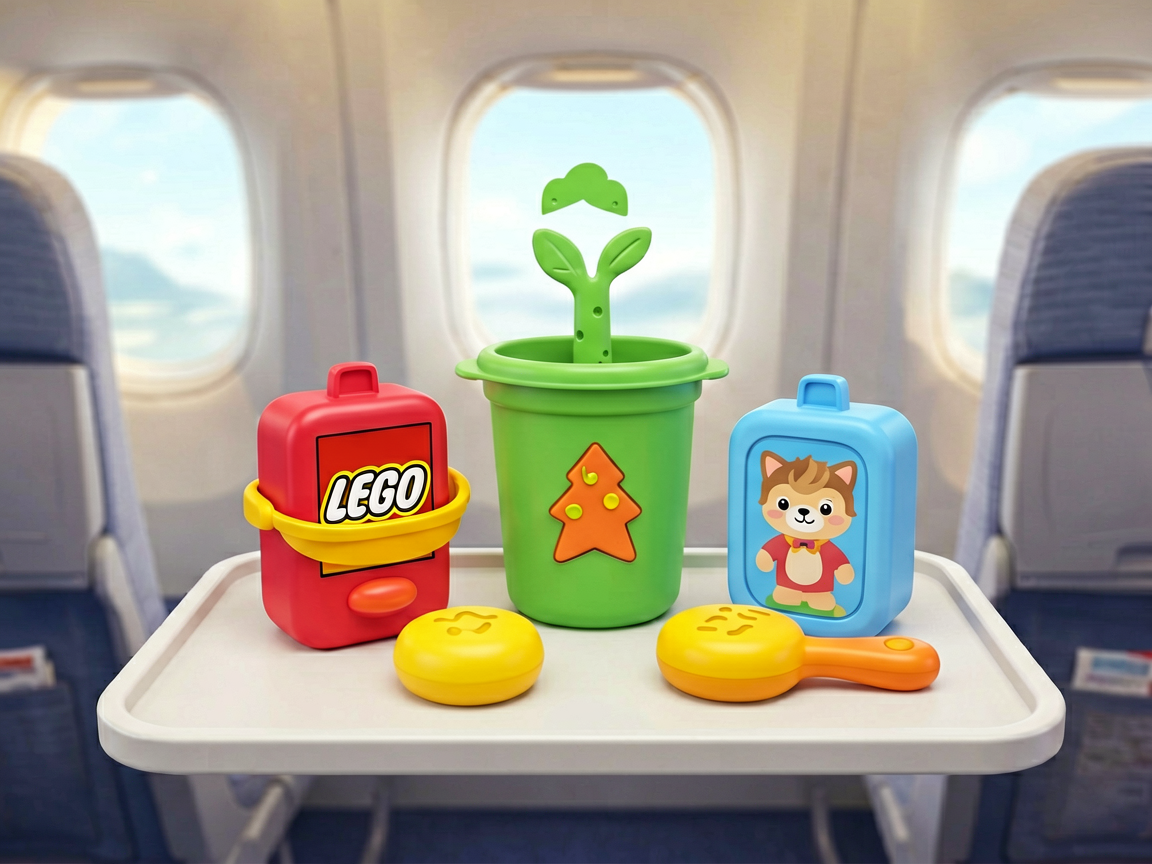
Smart and safe: toys for 1-year-olds under $10 that still deliver real play. Here is how to decide. A closer look at both.
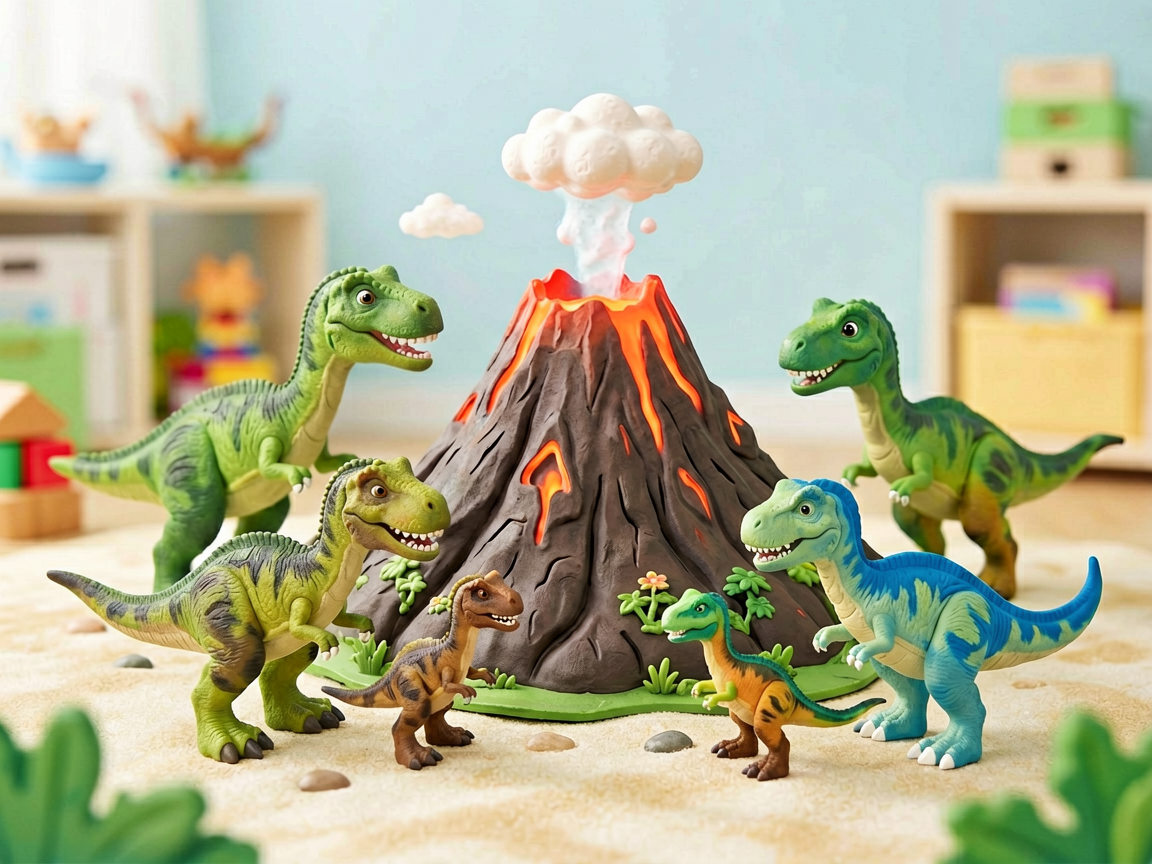
How to choose toys for 1-year-olds that spark science curiosity, from filling to dumping. Which one earns its shelf spot.
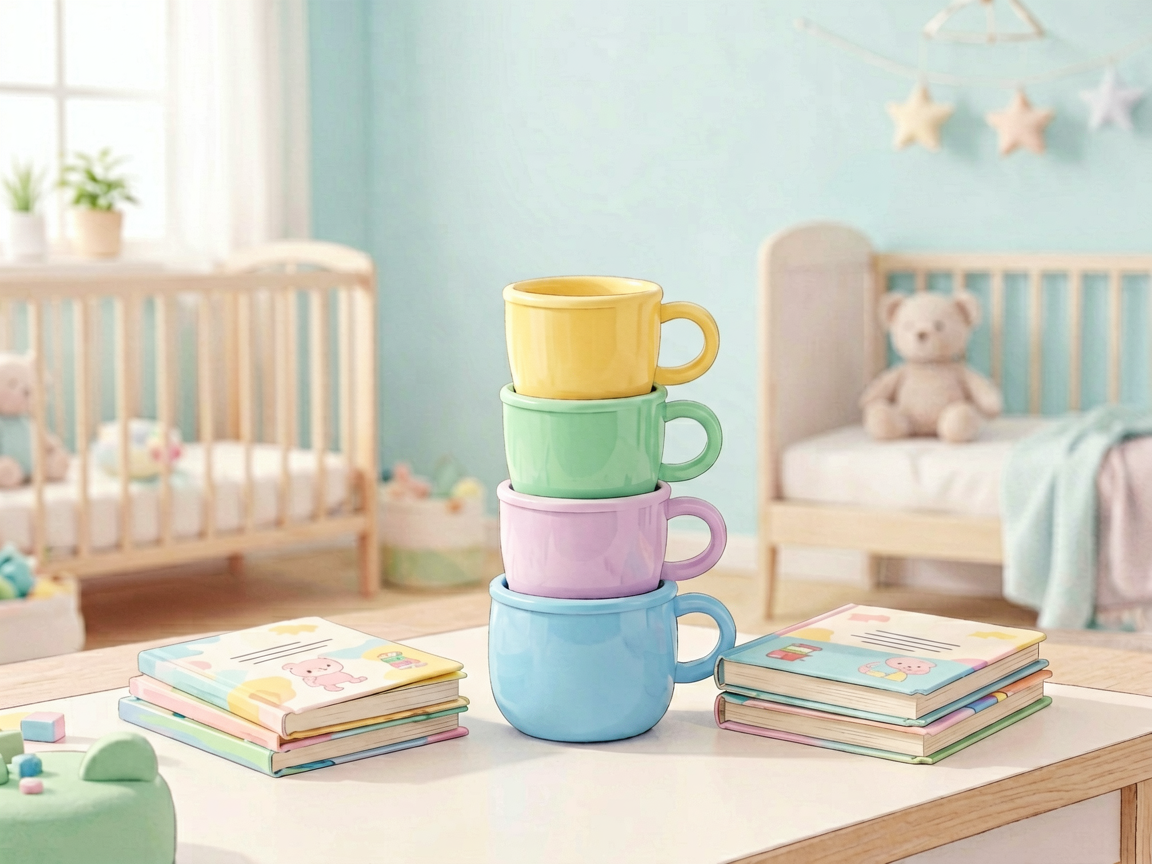
Toys that foster spatial reasoning in 1-year-olds: containers, stacking, and nesting. The differences that matter.
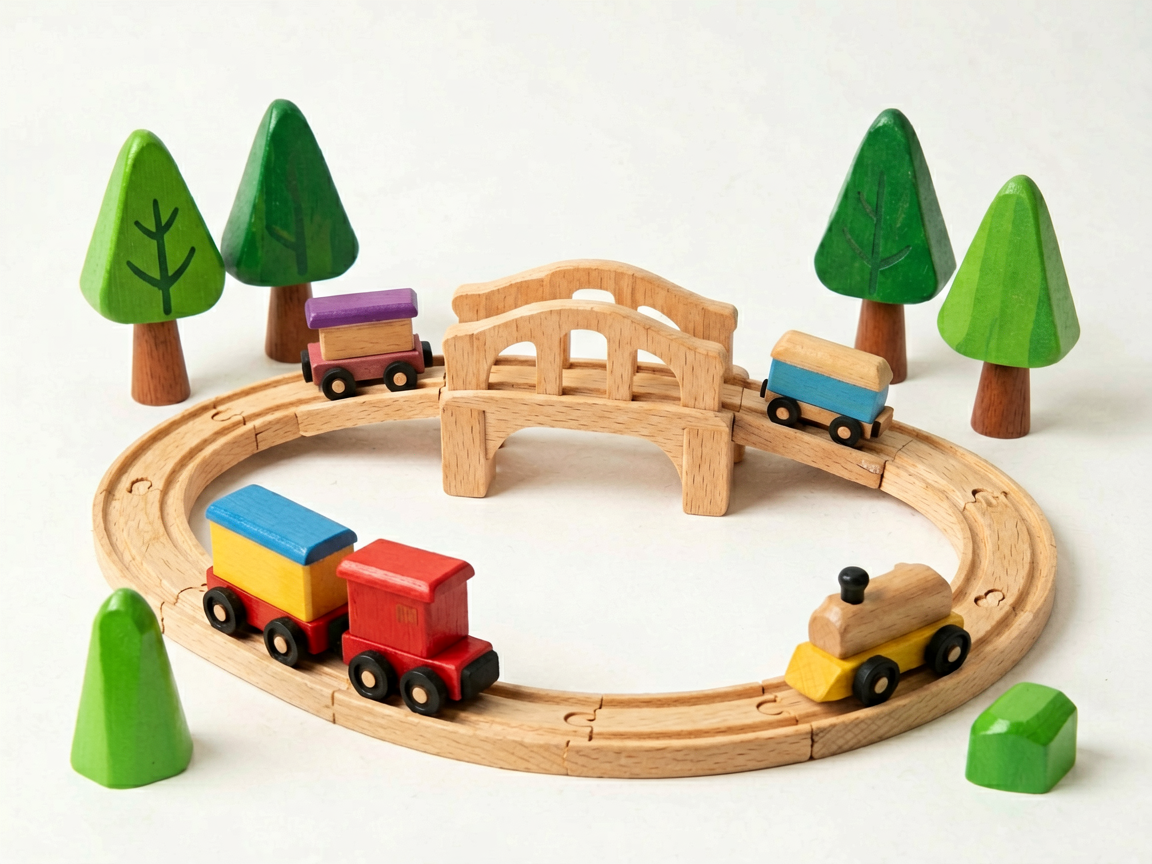
The logic of play: a systematic guide to choosing toys for 1-year-olds. What the play looks like. How to choose between them.
Building tiny memories: toys for 1-year-olds that support recall and routine. The honest comparison, inside. Where each one falls short.
The art of choosing toys for 1-year-olds that nurture focus and development. How to match one to your child. What matters most at this age.
Toys for 1-year-olds that foster independent play and early development together. What to check before buying. The trade-offs, plainly put.
Beyond rattles and blocks: toys that spark creativity in 1-year-olds. Here is how to decide. A closer look at both.
Toys that build emotional learning at age one: comfort, mirroring, and pretend. The differences that matter. Which one earns its shelf spot.