The Big Red Wagon Syndrome: Why Overbuying Holiday Toys for Toddlers Does More Harm Than Good
Every December, living rooms across America transform into miniature toy warehouses. Wrapped boxes pile up beneath the Christmas tree like colorful geological strata. Grandparents compete with aunts and uncles to see who can elicit the most delighted shriek. And at the center of it all, a two-year-old sits, dazed, surrounded by more blinking, beeping, singing plastic than a small electronics store. We call this "showing love." Pediatricians and child development experts call it something else: a well-intentioned disaster. The problem of overbuying holiday toys for toddlers is not merely a matter of clutter or budget—it is a genuine threat to the very developmental outcomes parents hope to encourage.
The Science of "Too Much Too Soon"
Toddlers, defined as children aged one to three, are not miniature adults. They are neurologically under construction, with attention spans measured in minutes, not hours. A toddler faced with a mountain of gifts does not experience joy in proportion to the pile's size. In fact, the opposite occurs. Research on "choice overload" demonstrates that when young children are presented with too many options, they play less deeply, switch toys more frequently, and show higher levels of frustration. A classic 2008 study by Kathy Sylva and her colleagues at the University of Oxford found that children with fewer toys engaged in longer, more imaginative play sessions, while children with a larger toy inventory engaged in shorter, more fragmented play.
Why does this happen? The toddler brain is designed to learn through focused exploration. When a child has one stuffed elephant, she invents stories: the elephant sleeps, eats, dances, and falls sick. She practices sequencing, empathy, and problem-solving. But when she has forty stuffed animals, each one cries for attention. The result is a kind of cognitive overwhelm. The child flits from unicorn to dinosaur to teddy bear without ever entering the state of deep absorption that psychologists call "flow." And it is precisely this flow state that builds neural pathways for sustained attention, self-regulation, and creativity. Overbuying holiday toys for toddlers, then, is not generosity—it is inadvertent sabotage of their developing executive functions.
Furthermore, the sheer volume of toys undermines the toddler's ability to learn gratitude or care. When a gift is one of twenty, it feels disposable. When it is one of three, it feels precious. The toddler who receives a tidal wave of presents on Christmas morning receives a silent lesson: *things are abundant, nothing is special, and the next shiny box is never far away.* This is the seed of materialism, planted early and watered with good intentions.
The Emotional and Behavioral Fallout
Let us move from the brain to the living room floor. The aftermath of a toy surplus is not a happy child—it is an overstimulated, overtired, and often crying child. Toddlers have immature sensory processing systems. The combined flashing lights, loud sound effects, and crinkly packaging of a dozen new toys create a sensory assault. Within twenty minutes, the "gift-induced euphoria" collapses into a meltdown. Parents, exhausted and slightly disappointed, wonder what went wrong. The answer is simple: nobody can handle that much novelty at once, least of all a barely-verbal human being.
This overstimulation also disrupts sleep, a crucial component of toddler development. A holiday season packed with excessive new possessions rewires the child's expectations. The child becomes habituated to constant novelty, making the quiet, boring times of day feel intolerable. In the weeks following the holidays, many parents report increased bedtime resistance and earlier waking. They blame the sugar or the guests, but the real culprit is the neurological high from excessive toy ingestion.
Behaviorally, overbuying teaches toddlers a distorted relationship between love and acquisition. When a child sees that grandparents, parents, and family friends all express affection through sealed boxes, he begins to equate *being loved* with *receiving things*. This is a dangerous conflation that persists into adulthood, where it manifests as compulsive spending and chronic dissatisfaction. Conversely, toddlers who receive a modest, thoughtfully chosen set of gifts learn that love is expressed through presence, play, and conversation—not through accumulating objects.
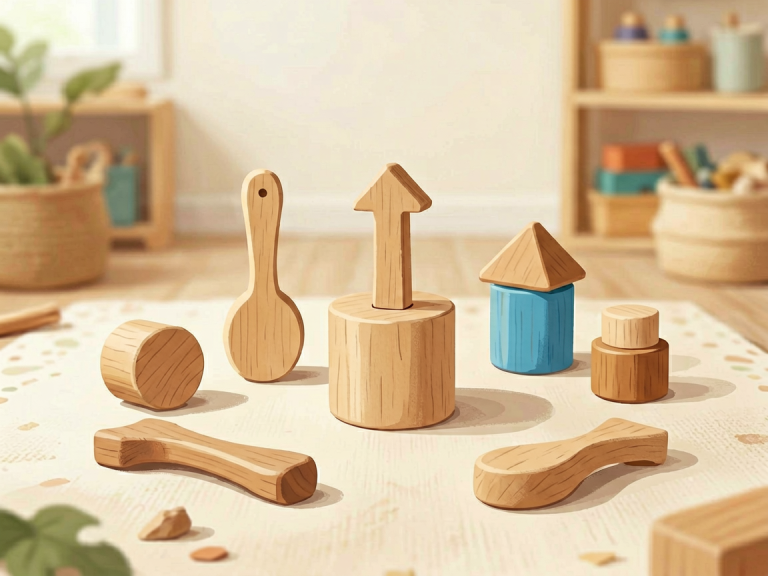
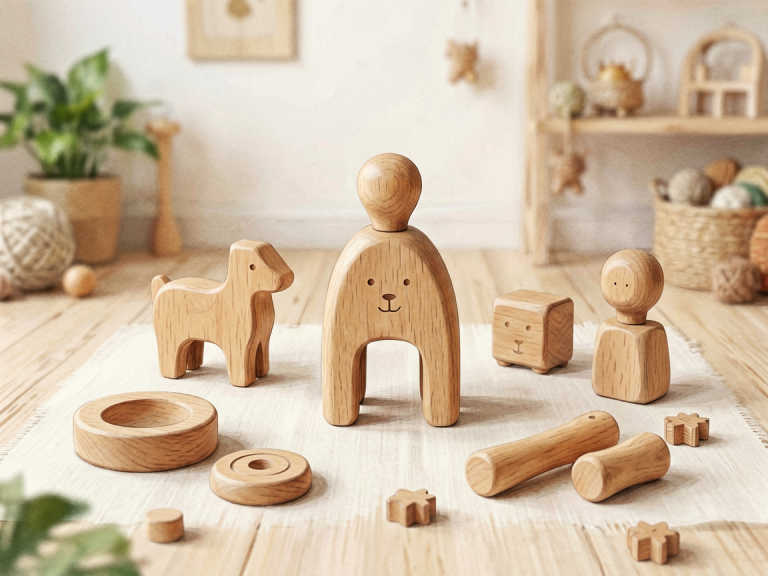
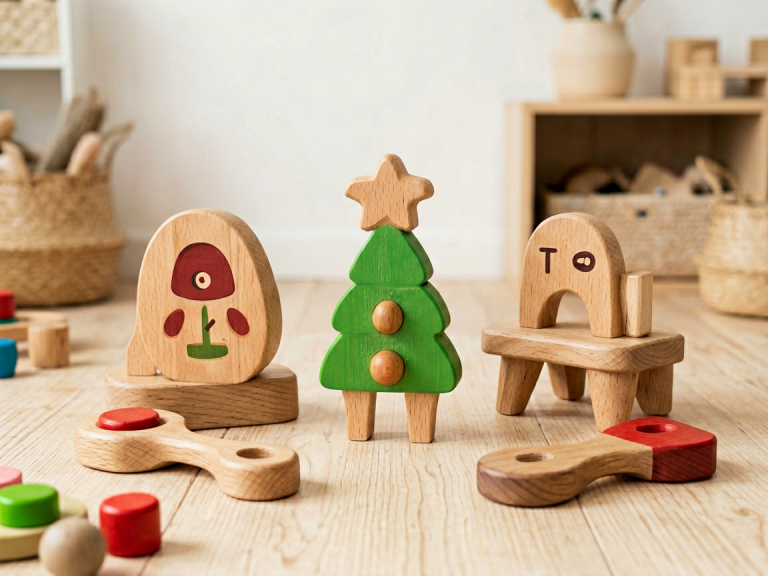
There is also the problem of toy quality versus quantity. Many well-meaning adults, unsure what a toddler would enjoy, default to cheap, battery-operated plastic “junk” that breaks within a week. This creates a cycle of disappointment and replacement, teaching the child that items are fragile and replaceable. Meanwhile, the classic wooden blocks or the single high-quality doll that could have been the centerpiece of imaginative play gets buried and ignored. The child loses twice: once to the overstimulation and once to the missed opportunity for meaningful play.
Practical Strategies for a Meaningful Holiday
The good news is that the problem is fixable. It requires, however, that adults resist their own emotional impulses. We overbuy because we want to see delight. We overbuy because we feel guilty about working too much. We overbuy because holiday advertising has convinced us that more equals better. All of these motivations are understandable—but they must be filtered through the toddler's actual developmental needs.
First, adopt the "one, two, three" rule. For a toddler, three gifts are ideal: one for the body (a cozy sweater or a tunnel to crawl through), one for the mind (a puzzle, a picture book, or a set of chunky crayons), and one for the imagination (a doll, a train, or a set of play food). That's it. If grandparents insist on participating, rotate the givers: one year, grandparents give the "big" gift; next year, the parents do. This also simplifies the holiday for everyone.
Second, embrace "gifting by category" or, even better, "gifting the experience." Toddlers care more about what happens than what they own. A family membership to the zoo, a summer pass to the children's museum, or a six-week Saturday music class creates lasting memories without adding a single toy to the clutter. Experiences, unlike objects, build social skills, physical confidence, and family bonding. They also don't require batteries or replacement parts.
Third, if you must buy several toys, use the "one in, one out" system. Before the holiday, quietly remove the same number of old, broken, or outgrown toys to donate or recycle. This keeps the toy environment manageable and teaches—implicitly—the principle of stewardship. For a toddler, seeing their playroom stay uncluttered is itself a lesson in calmness and order.
Finally, remember that the most precious gift you can give a toddler is your undivided attention. A 2022 study from the University of Cambridge found that toddlers who spent more time playing with parents rather than with large numbers of toys exhibited lower stress levels and higher vocabulary growth. When you strip away the wrapping paper, the tinsel, and the anxiety of comparison, the holiday season is about togetherness. A toddler doesn't know the retail value of a toy. But she knows exactly what it feels like when you sit on the floor, look her in the eyes, and join her pretend world of wooden trains or paper crowns. That moment—not the pile of boxes—is the real magic.
This holiday season, let us challenge ourselves to buy less and see more. Watch the toddler's face when she fixes the puzzle piece by herself. Listen to her laughter when she makes the toy rabbit jump. Notice the deep satisfaction of limited choice, the joy of genuine play. In pruning the excess, we allow the child's natural curiosity to flourish. That is the greatest gift of all—and it never needs to be wrapped.