The Paradox of Fragility: Why Buying Breakable Toys for Two-Year-Olds Is a Mistake
## The Reality of Toddler Play
Every parent has been there: you carefully select a colorful, seemingly delightful toy from the store, bring it home, and hand it to your two-year-old. Within forty-eight hours, a plastic wheel has snapped off, a cardboard flap has been torn, or a battery compartment has popped open, never to close again. The toy lies in pieces on the living room floor, a monument to wasted money and good intentions. Yet, inexplicably, we continue to buy these fragile items, often because they are marketed as “educational,” “interactive,” or simply irresistible. But the truth is that buying toys that break easily for 2-year-olds is not just a minor financial nuisance; it is a developmental disservice, a source of unnecessary frustration for both child and parent, and a missed opportunity to foster resilience, creativity, and sustainable habits.
## The Nature of a Two-Year-Old: A Tiny Force of Nature
To understand why fragile toys are a poor match, we must first understand what a two-year-old actually is. Developmentally, a child of this age is not a delicate curator of objects; they are an explorer, a scientist, and a demolition expert rolled into one. Their fine motor skills are still rapidly developing, which means they frequently drop, throw, squeeze, and bang items without any malicious intent. Their grasp is often uncoordinated, their judgment of distance is poor, and their natural curiosity drives them to test the physical limits of everything they touch. A two-year-old does not see a toy as a precious artifact; they see it as a thing to be manipulated, tasted, shaken, and hurled across the room to observe the delightful noise it makes upon impact.
In this context, a toy with thin plastic casing, small glued-on parts, or delicate moving mechanisms is not merely a toy; it is a challenge. The child is not “being rough” in the punitive sense—they are performing the exact behaviors that their developing brains require. They are learning about cause and effect, gravity, and the properties of materials. When a toy breaks easily, it fails this educational mission. The child learns only that objects are unreliable and that their efforts to explore lead to sudden disappearance of fun. Worse, they may become frustrated and cry, not because they are spoiled, but because they have lost an object of interest through no intentional act of malice—they simply played with it as nature intended.
## The Hidden Costs of Fragile Toys
The most obvious cost of buying breakable toys is financial. A cheap toy that shatters in a week is far more expensive in the long run than a durable toy that lasts for years. But the hidden costs go deeper. First, there is the emotional cost to the child. When a favorite toy breaks, a two-year-old experiences a genuine sense of loss. They do not understand the concept of “it was cheap” or “we can buy another one.” They only know that the object that brought them joy is now broken, and they may feel that they have done something wrong. Repeated experiences of toys breaking can create anxiety or a hesitant approach to play. Some children become overly cautious, afraid to touch new things for fear of breaking them, which stifles their natural curiosity and exploration. Others may become desensitized to destruction, learning that things are disposable and that care is irrelevant.
Then there is the environmental and ethical cost. The global toy industry produces billions of cheap, non-biodegradable plastic toys each year, many of which end up in landfills within months of purchase. When we buy fragile toys, we are actively participating in this cycle of waste. We are teaching our children, by example, that objects have no lasting value and that our convenience trumps environmental responsibility. This is not a lesson we want to impart to the next generation, especially in an era of climate crisis and resource scarcity.
Finally, there is the cost to parental sanity. Every time a toy breaks, the parent must deal with the mess, the tears, the search for broken bits that might pose a choking hazard, and often the guilt of having made a poor purchase. This cumulative frustration can sour the entire experience of gift-giving and play. Instead of enjoying quality time with their toddler, parents find themselves policing toys, constantly warning, “Be careful, it will break!”—a directive that makes no sense to a two-year-old and only adds tension to the relationship.
## What to Look for Instead: The Three Pillars of Toddler Toy Success
So, what should a parent buy? The answer is not simply “more expensive toys.” Instead, one should employ three pillars: durability, simplicity, and open-endedness.
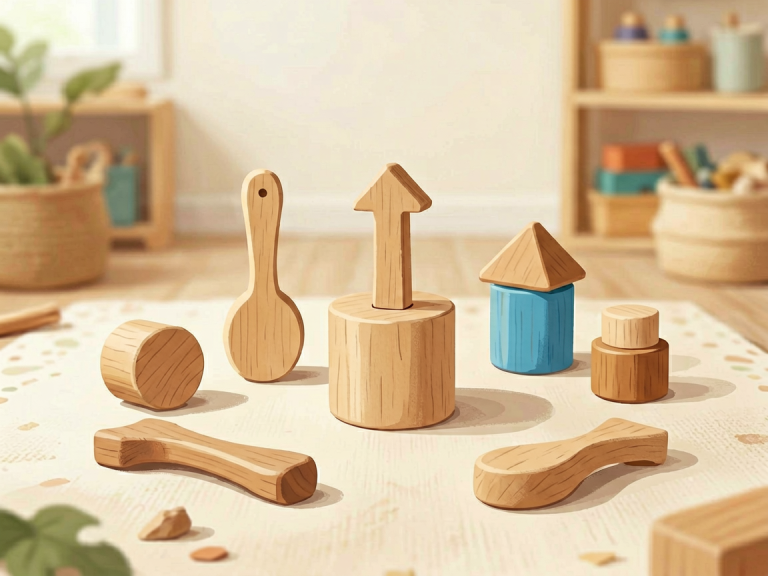
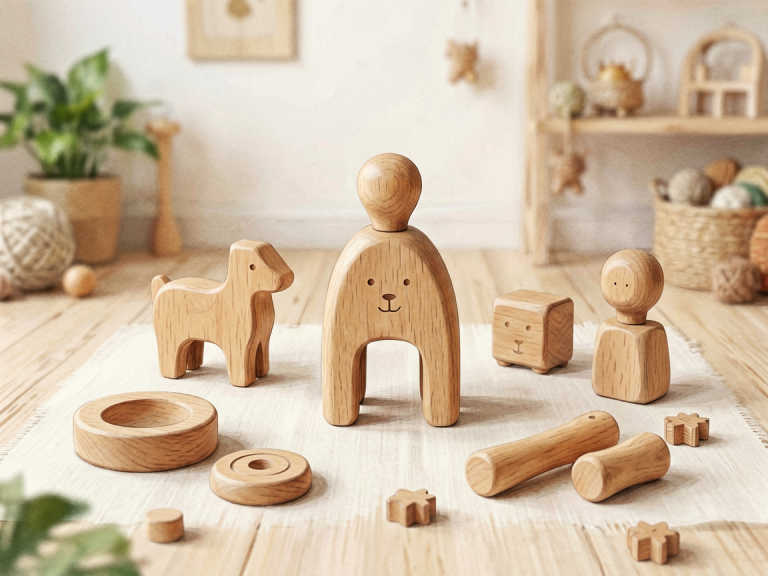
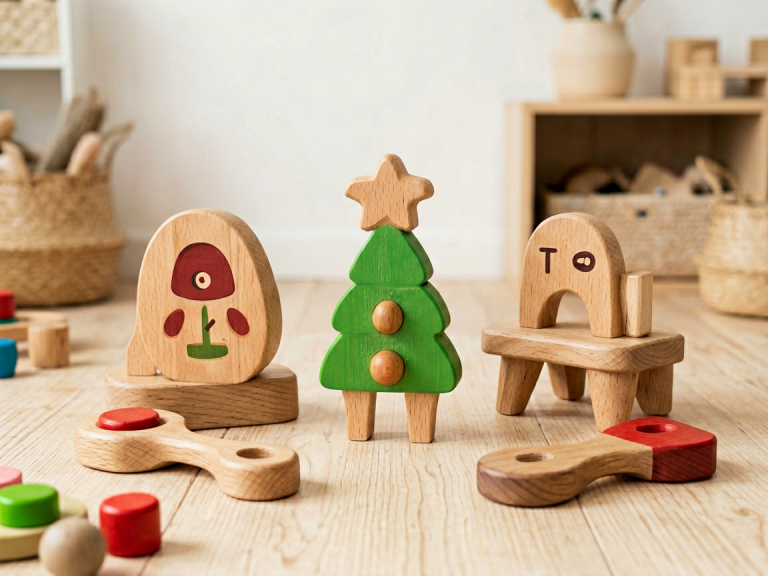
Durability does not mean metal or heavy wood necessarily; it means toys that are designed for the abuse a toddler will inflict. Look for toys that are made of solid, non-toxic wood, sturdy food-grade silicone, or high-quality, flexible BPA-free plastic that bends rather than breaks. Avoid toys with many small, glued pieces. A classic wooden block set, a silicone stacker, a cloth doll, or a well-made rubber ball are excellent choices. These toys survive falls, throws, and even the occasional bite.
Simplicity is the second pillar. Many modern toys are over-engineered with lights, sounds, and buttons. These fragile features are not only the first to break, but they also overstimulate a two-year-old’s developing brain. A simple toy—for example, a set of wooden spoons, a cardboard box, or a collection of large, soft balls—allows the child to use their imagination. A box can become a house, a car, or a hat. A spoon can be a drumstick, a shovel, or a wand. Unlike a battery-powered singing robot that only does one thing until it dies, a simple toy offers infinite possibilities. It is these open-ended toys that truly promote cognitive development, problem-solving, and creativity.
The third pillar, open-endedness, is closely related to simplicity. Open-ended toys are those that do not have a single prescribed purpose. Building blocks, play silks, stacking cups, and shape sorters (as long as they are made of durable material) all fall into this category. They grow with the child. A one-year-old might simply mouth a block; a two-year-old will stack it; a three-year-old will build a tower; a four-year-old will create a city. By buying toys that are theoretically “too old” or “too simple,” parents avoid the frequent need to replace broken interactive toys and instead provide a stable foundation for years of play.
## A Practical Guide to Mindful Toy Buying
How can a parent resist the lure of the shiny, cheap, and fragile? First, adopt the “drop test.” Before buying, imagine the toy being dropped from a height of one meter onto a concrete floor. If you wince, do not buy it. Second, read reviews from other parents, specifically looking for comments about durability and breakage. Third, consider buying second-hand toys. Older toys were often made to far higher standards, and a used wooden toy from the 1980s will outlast anything from a dollar store. Fourth, resist buying toys for a two-year-old that are recommended for “ages 3 and up” unless you are certain they are rugged. Many toys that break easily are actually designed for older children, but parents purchase them early because of a false sense of maturity in their own child.
Above all, remember that a two-year-old does not need many toys. Research increasingly suggests that children with fewer toys play more deeply and creatively. A small collection of durable, simple, open-ended items is far more beneficial than a mountain of fragile, flashy, disposable ones. If a toy breaks within the first month, use that as a signal: this was a poor choice, not a reflection on your child. Vow not to repeat the mistake. Return the toy if possible, and if not, recycle the parts responsibly and replace it with something better.
## The Deeper Lesson: Teaching Respect Through Resilience
Ultimately, the decision to avoid buying toys that break easily is about more than saving money or reducing plastic waste. It is about teaching our children, from the earliest age, a fundamental respect for objects and for the resources used to make them. When a child cares for a durable toy that lasts, they learn that their actions matter. They learn that if they handle things gently, they can enjoy them for a long time. They learn that quality is preferable to quantity and that patience is rewarded.
On the other hand, when we hand a two-year-old a fragile toy and then scold them for breaking it, we send a confusing message. We are blaming the child for the predictable outcome of our own poor choice. This can damage a child’s confidence in their own physical abilities. A child who is constantly told “don’t touch that” or “be careful, it will break” becomes anxious about themselves. Conversely, a child who is given sturdy, resilient toys is free to explore with confidence, to test their own strength and coordination without fear, and to develop a healthy, joyful relationship with the physical world.
## Conclusion: Choose Wisely, Play Wholeheartedly
In the grand scheme of parenting, buying toys is one of the most frequent and seemingly trivial decisions we make. Yet, these decisions compound. Every fragile toy that shatters is a small failure of intention. Every durable toy that survives is a silent lesson in sustainability and self-assurance. For the sake of your two-year-old’s developing mind and spirit, for the health of your household budget, and for the future of our planet, the conclusion is clear: do not buy toys that break easily. Instead, choose simple, sturdy, open-ended toys that can withstand the passionate, powerful grasp of a tiny human being. Let them throw, drop, bang, and chew. Let them play without fear of breaking. And when the toys survive, both you and your child will have learned something invaluable: that true play is not about the object itself, but about the enduring joy of discovery. And that joy, unlike a cheap plastic toy, never breaks.