Overbuying Holiday Toys for 3-Year-Olds: Why Less Really Is More
The holiday season often turns parents and relatives into enthusiastic gift-givers, especially when a three-year-old is involved. With eyes wide and arms reaching toward every colorful display, it is easy to fall into the trap of overbuying holiday toys for 3 year olds. Yet the pile of presents under the tree does not translate into greater joy. In fact, overwhelming a toddler with a mountain of toys can be counterproductive. This article explores why we overbuy, what children genuinely need, and how to shift the holiday focus from quantity to quality.
The Temptation to Splurge
The pressure to create a magical holiday starts early. Retailers bombard shoppers with advertisements featuring delighted children ripping open package after package. Social media feeds fill with photos of immaculate gift piles, making parents feel that their own celebration falls short. For many, buying toys is a way of expressing love, especially when physical distance or busy schedules limit time together. A grandmother who cannot visit might send a dozen gifts to compensate. A father working overtime might buy an expensive playset to ease his guilt. The result is a familiar scene: on Christmas morning or during Hanukkah, a three-year-old sits in a sea of wrapping paper, overwhelmed and unable to focus on any single item.
The child’s age itself encourages overbuying. Three-year-olds are curious, expressive, and endlessly fascinated by new things. They may ask for every toy they see on television, and parents, wanting to make them happy, comply. Moreover, relatives often buy independently, without coordinating with each other. Five uncles and aunts each choose several gifts, and suddenly the toy collection has quadrupled. The act of giving feels good, but the cumulative effect is rarely considered.
What a Three-Year-Old Actually Needs
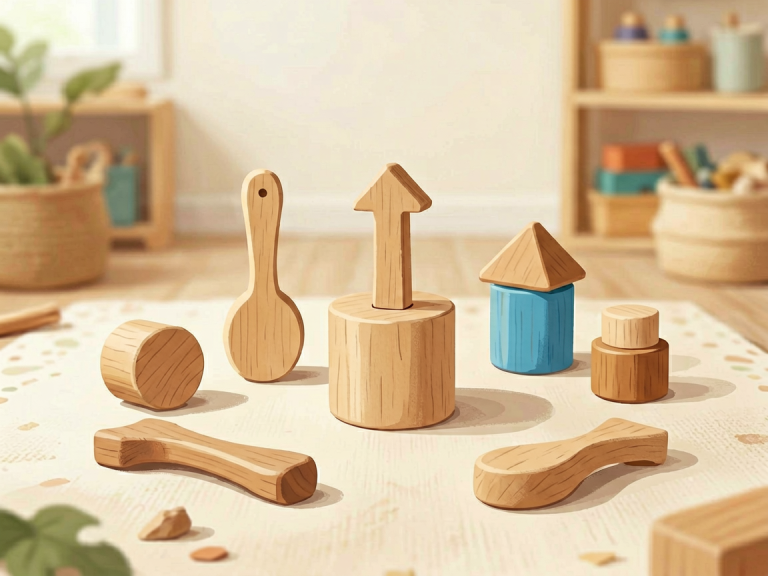
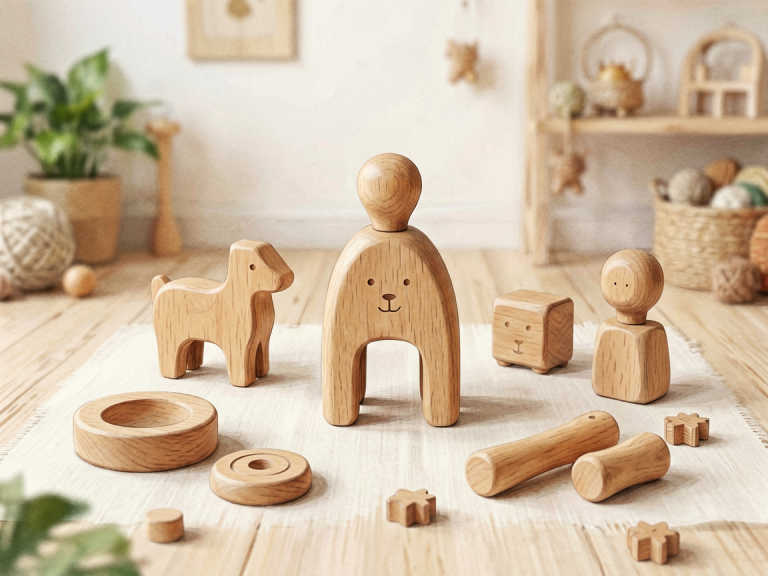
Developmental psychologists have long pointed out that young children do not require many toys to thrive. At age three, play is the primary vehicle for learning, but the quality of play matters more than the number of objects. A child with one set of wooden blocks will invent endless worlds: a castle, a garage, a mountain for a toy dinosaur. With ten sets of plastic gadgets, the same child may simply flit from one flashing light to the next, never engaging deeply.
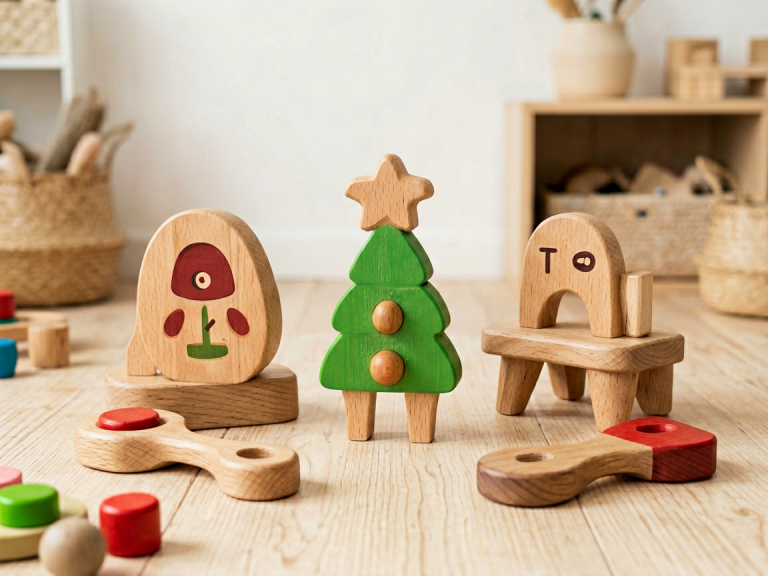
Three-year-olds benefit from toys that encourage open-ended exploration, such as building blocks, simple puzzles, art supplies, pretend-play costumes, and books. These items support fine motor skills, language development, problem-solving, and emotional regulation. They also tolerate repetition, which is crucial at this stage. A toddler who wants to hear the same story twenty times is not being difficult; she is building neural connections through familiarity.
Too many options can actually overwhelm a young brain. Researchers have found that when children are presented with too many choices, they engage in less creative play and become more easily frustrated. The toddler may be excited by the initial opening, but then quickly loses interest, pushing one toy aside for another. This cycle of buy, open, discard, and beg for more fuels the overbuying pattern. In contrast, a limited, carefully chosen set of toys fosters patience and deep focus. It also gives the child room to use her imagination, turning a cardboard box into a spaceship rather than waiting for the next battery-operated marvel.
The Hidden Costs of Excess
Overbuying holiday toys for 3 year olds carries costs that extend well beyond the store receipt. Financially, the money spent on dozens of cheap or semi-expensive toys could have funded a family trip, a savings account, or a meaningful subscription to an activity class. Many parents later admit that most of the toys were broken, ignored, or donated within months. The waste is enormous.
There is also the burden on the household. Toys take up space, require assembly, consume batteries, and demand cleaning and organization. The aftermath of a holiday gift frenzy often includes a cluttered living room, overflowing toy bins, and the dreaded "toy tripping hazard." Parents become the unpaid custodians of objects their children no longer care about. Worse, the child learns a subtle lesson: that stuff appears and disappears without effort, and that the emotional high of receiving is quickly followed by boredom.
Environmentally, overbuying contributes to plastic waste and excessive packaging. Many toys are made of non-recyclable materials and are designed to be replaced by next year's trend. For a planet already struggling with waste, this seasonal excess is deeply problematic. Teaching children early that gifts should be meaningful and sustainable is an important value that will stay with them for life.
Perhaps the most significant hidden cost is the effect on the child's character. When a three-year-old receives everything she asks for, she misses opportunities to practice gratitude, patience, and appreciation. The memory of a mountain of gifts is fleeting, but the emotional tone of entitlement can linger. Parents may later wonder why their child is never satisfied, unaware that their generosity helped create the problem.
Practical Alternatives for Meaningful Giving
The good news is that holiday joy does not have to come from a giant pile of toys. There are many ways to make the season special without overbuying. One effective strategy is to adopt the "something they want, something they need, something to wear, something to read" formula. This gives a framework for choosing just four curated gifts that match different aspects of a child's life. The want can be a beloved doll or truck, the need a set of art supplies or a balance bike, the wear a cozy holiday outfit, and the read a classic picture book. Four presents are plenty.
Another approach is to focus on experiences instead of objects. A three-year-old may enjoy a museum membership, tickets to a children's theater, or a family day at the zoo. A monthly subscription to a craft box or a baking class creates anticipation and ongoing involvement rather than a single burst of consumption. Time together is the most valuable gift: a day of making cookies, building a blanket fort, or playing in the park creates memories that far outlast any plastic toy.
When relatives ask what to buy, parents can confidently suggest donations to a child's education fund or contributions to a favorite cause. They can also request that everyone choose one coordinated gift from a small wish list. This prevents duplication and reduces the total number of items. For the child's own giving, encourage them to pick a few old toys to donate to children in need. Even a three-year-old can understand the simple act of giving, and preparing the donation together can be a lovely holiday ritual.
Finally, resist the urge to make up for lost time. If family members live far away, a video call where they read a story aloud or watch the child play with one gift is far more connecting than a box of toys that arrives late. Quality attention beats quantity of objects every time.
Conclusion
The holidays are a time for generosity, love, and celebration. But generosity should not be measured in the height of a toy pyramid. Overbuying holiday toys for 3 year olds is a well-meaning mistake with real consequences for the child's development, the household environment, and the planet. When we give fewer, better chosen gifts, we allow a three-year-old to enjoy each present deeply, to exercise imagination, and to learn the value of appreciation. The most magical holiday moments happen not while tearing through wrapping paper, but while sharing laughter and wonder with the people who love us. This year, consider giving the gift of presence over presents. Your toddler—and your living room—will thank you.