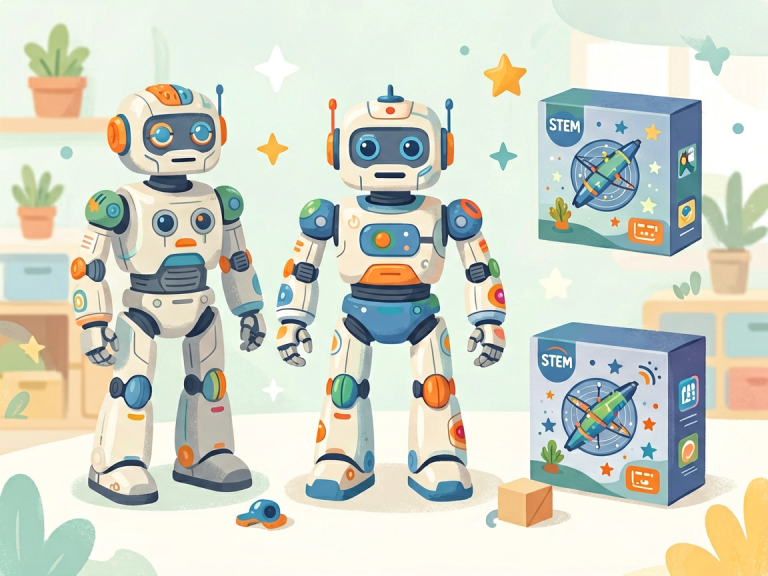
How to Avoid Overbuying Holiday Toys: A Mindful Parent’s Guide
A mindful parent's guide to avoiding holiday overbuying: gift planning, family agreements, and the one-in-one-out habit.
Read MoreToy comparisons, safety checks, and buying guides that help parents decide before they buy.
Category
Toy buying mistakes follow a small number of predictable patterns: buying for the child the parent was, buying the marketed feature instead of the play pattern, buying for a birthday rather than a stage, or buying more than a child can use. These guides name the patterns and show the cheaper way around each one. The mistakes are easier to avoid with a short process. The ten-minute framework builds the checks into the purchase, and the age-by-age guide covers the most common mismatch — a toy that is right for the child but wrong for the age.
598 articles
A mindful parent's guide to avoiding holiday overbuying: gift planning, family agreements, and the one-in-one-out habit.
Read More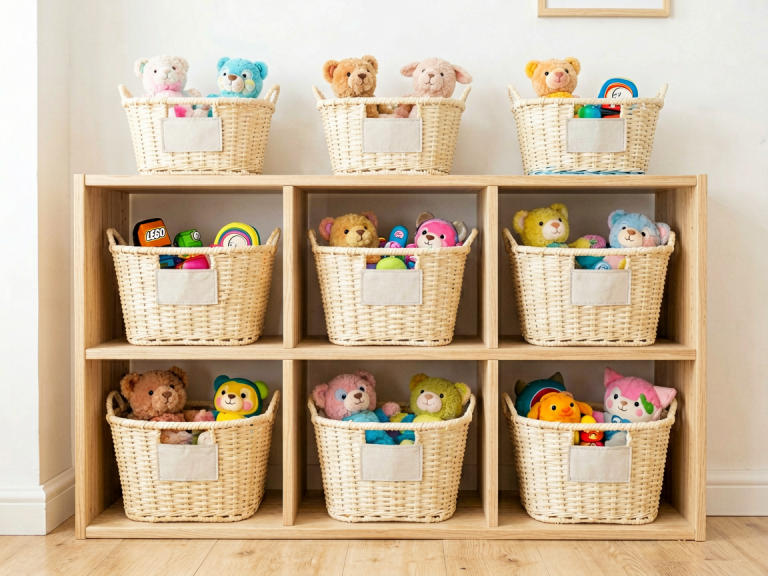
Buying too many holiday toys is the mistake parents keep making. Why the overbuying trap repeats and how to exit it.
Read More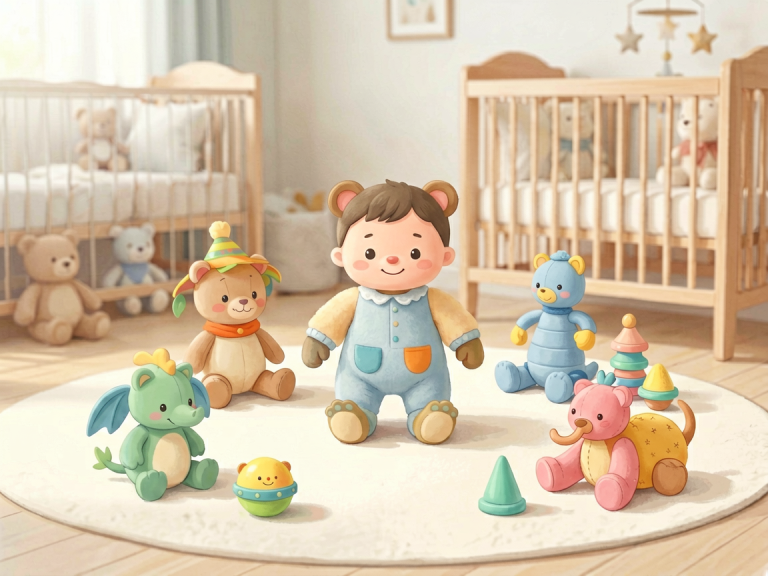
Toddlers keep getting one-note toys that shine and fade. The empty box syndrome and how to spot real play value instead.
Read More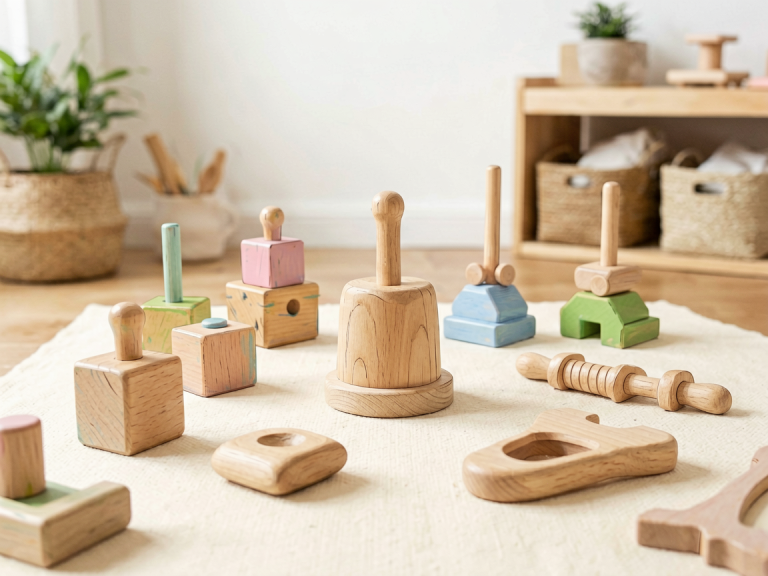
Thirteen-year-olds can spot gimmicks instantly. Why low-play-value gifts miss with teens and what to look for instead.
Read More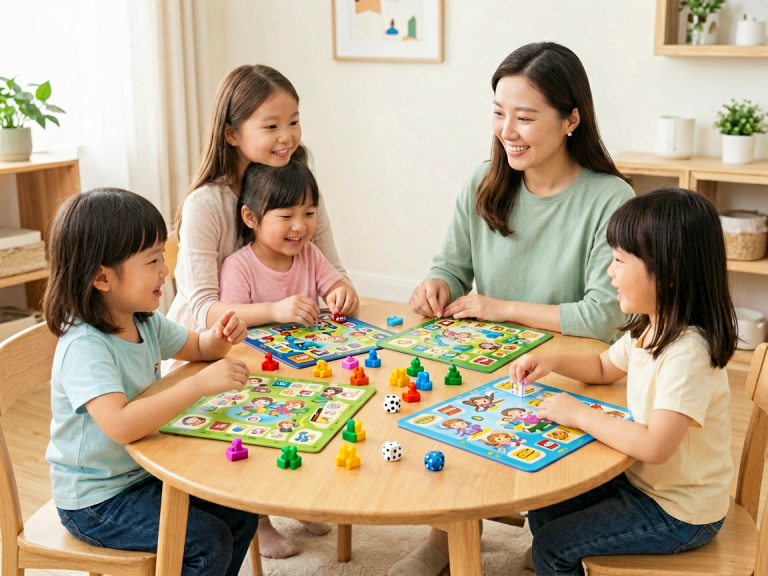
At 12, low-play-value gifts feel like filler. Why they miss the mark and how to choose toys with lasting engagement.
Read More
Low-play-value gifts for 11-year-olds: what defines them, why they fail at this age, and better selection criteria.
Read More
Ten-year-olds deserve better than gimmicky toys that die in a week. The hidden cost of low-play-value gifts and fixes.
Read More
Nine-year-olds get short-changed by convenience toys. The hidden cost of low-play-value picks and how to buy for depth instead.
Read More
Why low-play-value toys fail eight-year-olds: short novelty arcs, no mastery loop. The failure pattern and better criteria.
Read More
Seven-year-olds keep getting one-note toys. The paradox of plenty: why we choose limited-play-value gifts and how to stop.
Read More