The First-Time Parents Toy Guide for Three-Year-Olds: Play That Grows with Your Child
Becoming a parent for the first time is a whirlwind of joy, exhaustion, and endless questions. By the time your child turns three, you have likely survived the baby gear era, the teething phase, and the chaotic toddler years. But now, a new challenge appears: the toy aisle. That brightly colored, overwhelming wall of plastic, plush, and blinking gadgets can leave any first-time parent paralyzed with indecision. What does a three-year-old actually need? What will hold their attention for more than five minutes? What is developmentally appropriate, safe, and worth your hard-earned money? This guide is designed to demystify the toy-buying process for first-time parents of three-year-olds. We will explore the unique developmental stage of a three-year-old, break down the best categories of toys, highlight what to avoid, and offer practical tips for making playtime both fun and educational. By the end, you will feel confident, empowered, and ready to choose toys that will truly support your child’s growth.
Understanding the Three-Year-Old: A World of Imagination and Independence
Before you even step foot in a toy store, it helps to understand the mind of your three-year-old. At this age, children are transitioning from parallel play (playing alongside others) to more interactive play. They are beginning to engage in elaborate pretend play, creating scenarios, assigning roles, and talking to imaginary friends. Their language skills are exploding—they know hundreds of words and can string together sentences. They are also developing fine motor skills, building blocks with greater precision, and showing a growing interest in using their hands to create, stack, and manipulate objects.
Three-year-olds are naturally curious and want to do things “by themselves.” This is a powerful moment for fostering independence, but it also means they can become easily frustrated when things are too difficult. The best toys for this age walk a fine line: they are challenging enough to engage but simple enough to allow success. Additionally, three-year-olds are still learning to regulate their emotions. Toys that encourage storytelling and role-play can help them process feelings like fear, anger, or excitement. They are also developing their sense of balance and coordination, so toys that involve movement, such as ride-ons or balls, are highly beneficial. Finally, attention spans are still short—about six to twelve minutes for a single activity—so variety and rotation are key. Keeping these traits in mind, you can now think of toys not as mere entertainment, but as tools for helping your child master new skills, express themselves, and make sense of their expanding world.
The Best Toy Categories for Three-Year-Olds
Instead of focusing on specific brands or the latest trends, look for toys that fall into proven, developmentally rich categories. These are the toys that will not only delight your child but also provide lasting value across months or even years.
Building and Construction Sets
Large, chunky building blocks, magnetic tiles, and interlocking bricks are a must-have for this age. Three-year-olds are natural engineers. They love to stack towers, knock them down, and start again. This simple act teaches cause and effect, spatial awareness, and early problem-solving skills. As their fine motor skills improve, they will begin to make more complex structures—bridges, houses, or even simple animals. Magnetic tiles are especially popular because they connect easily, giving young children a sense of accomplishment without requiring perfect hand-eye coordination. When choosing construction toys, make sure the pieces are large enough to avoid choking hazards and are made of durable, non-toxic materials. Avoid sets with tiny connectors that require pincer grip strength beyond this age—frustration is the enemy of play.
Pretend Play and Role-Playing Sets
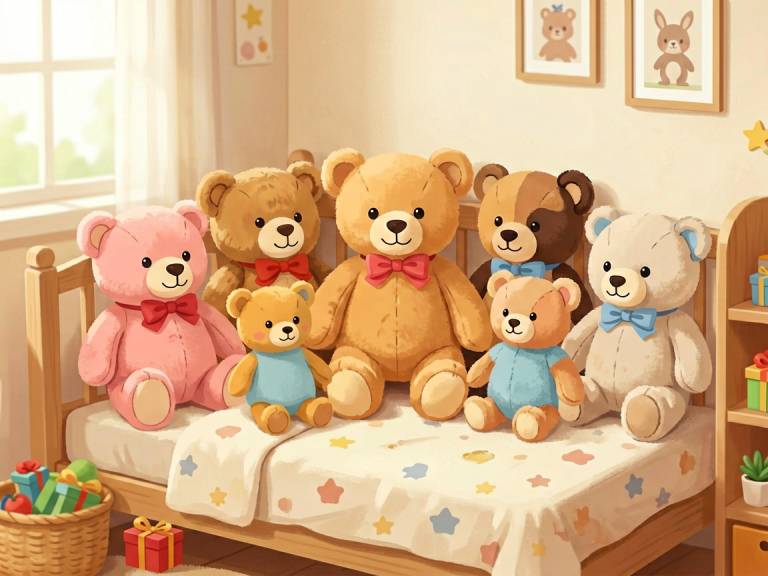
Imagination truly comes alive at three. A play kitchen, a tool bench, a dollhouse, or a simple dress-up trunk filled with old hats, scarves, and costume pieces can open doors to endless creative scenarios. Pretend play allows your child to revisit everyday experiences—cooking dinner, going to the doctor, fixing a broken toy—which helps them make sense of the world. It also builds empathy as they practice taking care of a baby doll or feeding a stuffed animal. Look for sets that are open-ended. A wooden food set with a pan and a spatula offers more possibilities than an electronic kitchen that makes beeping noises. Realistic props, like a doctor’s stethoscope or a telephone, are wonderful, but they do not have to be expensive. Many of the best props are things you already have around the house, repurposed for play. The key is to provide a spark—a quiet, uncluttered space and a few evocative items—and then let your child’s mind do the rest.
Art and Creative Supplies
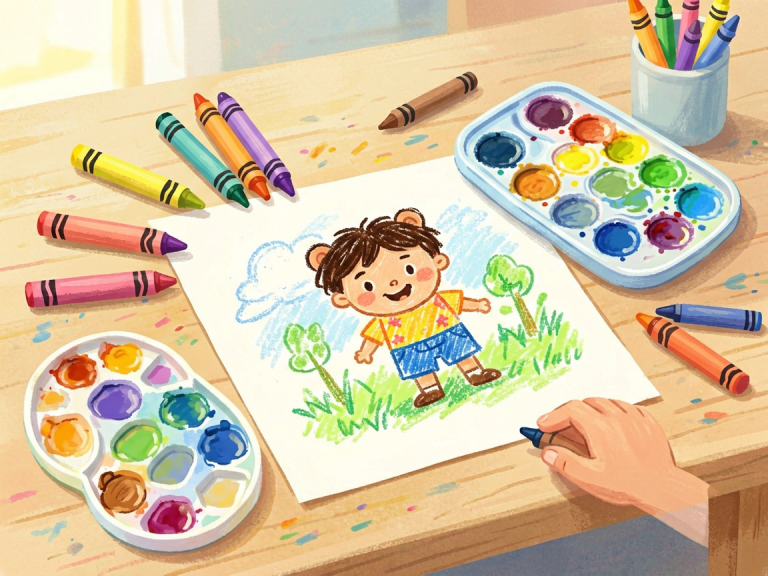
Three-year-olds are natural artists. Give them washable markers, fat crayons, finger paints, playdough, safety scissors, and large sheets of paper, and they will explore with abandon. Art is not just about the final product; it is about the process: squeezing the playdough, smearing the paint, scribbling wildly. This kind of sensory play is crucial for developing hand strength, creativity, and emotional regulation. Playdough, for example, can be pounded, rolled, and shaped, providing a tremendous outlet for frustration. For first-time parents, it is tempting to buy a fancy art easel with all the bells and whistles, but a simple watercolor set and an old plastic tablecloth work just as well. Focus on washability and safety. Look for non-toxic, child-safe art supplies. Avoid watercolors that require fine brush control, and instead offer large, chunky brushes or even sponges. The goal is joyful expression, not a masterpiece.
Puzzles and Fine Motor Toys
At three, children can handle puzzles with four to twenty pieces, especially if the pieces are thick and have grasp-friendly knobs. Puzzles teach logical thinking, shape recognition, and persistence. They also build visual-spatial skills. Similarly, toys that involve threading, lacing, or buttoning—like wooden bead sets with large holes and a blunt lace—are excellent for honing fine motor control. These skills are directly connected to future writing and self-care abilities. When choosing puzzles, select images that interest your child: animals, vehicles, or familiar objects. Avoid puzzles with too many pieces that will overwhelm them. A great rule of thumb is to start with a four-piece puzzle and gradually increase the difficulty. You can also make your own puzzles by cutting pictures out of magazines and gluing them onto cardboard. Remember to celebrate the process, not perfection, and be ready to offer calm encouragement when your little one gets stuck.
Ride-On Toys and Outdoor Gear
Three-year-olds have boundless energy. Ride-on toys like balance bikes, scooters with three wheels, or simple push cars encourage gross motor development, balance, and a sense of spatial independence. A balance bike—one that has no pedals—is particularly brilliant because it teaches children to steer and balance before they are ready for a traditional bicycle. If you have outdoor space, a small slide, a child-sized basketball hoop, or a set of chunky balls can provide hours of healthy, active play. Even a simple bucket and shovel for digging in a sandbox will engage their growing muscles and curiosity. Outdoor play also supports emotional well-being and sleep quality. For first-time parents, it is tempting to keep children indoors for safety, but exposing them to manageable risks—like climbing a low, soft-wood play structure—helps them develop judgment and coordination. Always supervise, of course, and choose equipment that is age-appropriate and well-made.
Books and Music
While technically not “toys,” books and musical instruments deserve a place on any toy list. At three, children love interactive books with flaps, textures, and repetitive rhymes. Reading together builds language, vocabulary, and a lifelong love of stories. Look for books that reflect your child’s daily experiences—going to the park, feeling angry, meeting a new babysitter. Musical instruments like a small xylophone, a tambourine, or a pair of maracas allow children to explore rhythm and sound. Simple call-and-response songs, like “Itsy Bitsy Spider,” are wonderfully fun. Do not worry about creating a musical prodigy; instead, focus on the joy of making noise together. The best musical toys are made of natural or solid plastic and produce pleasant, not grating, sounds. Avoid toy microphones that amplify a child’s voice in a shrill way—they are jarring to adult ears and can overstimulate the child.
What to Avoid: The Toy Trap That First-Time Parents Fall Into
With so many options, it is easy to make mistakes. Here are a few categories to be cautious about. First, avoid toys with a single, fixed purpose, especially those that are heavily battery-operated. A toy that only lights up and says one phrase when you press a button is not play; it is passive viewing. It may seem magical for the first twenty minutes, but it quickly loses interest and does not encourage creativity or problem-solving. Second, be wary of toys that are above the child’s developmental level. A complex board game with rules and counting might frustrate a three-year-old, leading to tantrums and a dislike for playtime. Similarly, toys with many small pieces—like tiny dollhouse furniture or Lego micro-figures—pose choking hazards and test your patience. Third, avoid stereotypes and over-sexualized toys. Many princess or superhero toys, while common, can narrow a child’s imagination if they come with rigid storylines. Instead, choose neutral, open-ended items. Finally, do not buy into the idea that more toys are better. A cluttered playroom overwhelms a three-year-old and reduces the quality of their play. A few well-chosen toys, rotated regularly, are far more valuable than an enormous, chaotic collection.
The Power of Toy Rotation and Parental Involvement
One of the best kept secrets in the world of parenting is the “toy rotation” method. Simply divide your child’s toys into three or four groups. Keep one group out and put the others away in a closet or storage bin. Every week or two, switch the groups. Suddenly, old toys feel new again, and your child greets them with renewed excitement and attention. This method also helps you avoid purchasing unnecessary new toys. Another crucial element is your involvement. While independent play is healthy, three-year-olds benefit enormously from playing with a parent or caregiver. Sit down on the floor, build a tower together, or have a pretend tea party. Follow your child’s lead—let them be the boss of the story. Do not try to teach or correct them constantly. Instead, ask open-ended questions like, “What should we do with this block?” or “Where is the teddy bear going?” This kind of interaction enriches vocabulary, social skills, and the parent-child bond. And remember: the best toy in the world is you. Your attention, your smile, and your willingness to be silly are irreplaceable.
Putting It All Together: A Simple Checklist for Your First Toy Shopping Trip
Before you head out to buy something new, keep this simple checklist in mind. First, ask yourself: Is it open-ended? Can it be used in multiple ways? A set of cardboard blocks wins over a plastic toy phone. Second, is it age-appropriate and safe? Look for smooth edges, non-toxic materials, and a lack of tiny parts. Third, does it encourage active engagement? Will your child have to think, move, create, or imagine? Or will they just watch it happen? Fourth, is it durable and easy to clean? Cloth toys, wooden toys, and washable plastics are your friends. Finally, does it align with your child’s current interests? If they are obsessed with trains, get a simple wooden train set—it will be a hit. Trust your instincts. You know your child better than any toy manufacturer.
Conclusion: Play Is Not a Luxury, It Is Essential
For first-time parents, the pressure to choose “the right” toy can feel overwhelming. But remember, the goal is not to buy educational perfection. The goal is to create a rich, supportive environment where your three-year-old can grow through play. A cardboard box can be a spaceship. A wooden spoon can be a drumstick. The most important factor is not the price tag or the brand; it is the space you create for curiosity, experimentation, and joy. When you choose toys that spark imagination, promote movement, and encourage problem-solving, you are giving your child the tools they need to thrive. And when you sit down to play alongside them, you are giving them the most precious gift of all: your time, your attention, and your love. So go ahead, grab that bag of blocks, put on an old apron for finger painting, and laugh with your little one. This is the beginning of an incredible journey—one where every toy, no matter how simple, becomes a stepping stone to a bigger, brighter world.