The Bright Box Trap: Why Buying Toys Based on Packaging Is a Mistake Parents Make
Every parent has done it. You are standing in the toy aisle, exhausted after a long day, and your child points to a giant, glittering box. On the front, a smiling superhero is mid-air, blasting lasers, while a tagline promises “Hours of Creative Adventure!” You grab the box, pay, and bring it home. The child tears it open. Ten minutes later, the toy is on the floor, the box is being worn as a hat, and you are left wondering where you went wrong.
The truth is that the battle was lost long before you reached the cash register. Buying toys based on packaging is a mistake parents make all the time, and it is one of the most expensive and disappointing habits in modern parenting. The problem is not that parents are foolish. It is that toy packaging is designed to exploit the gap between what a parent hopes for and what a toy can actually deliver. To break the cycle, we must first understand how the box tricks us.
The Psychology Behind the Packaging
Toy companies do not sell toys to children. They sell toys to adults who feel guilty, tired, or hopeful. Children may ask for a toy, but parents are the ones who hold the credit card. So the packaging is not engineered for a child’s eyes; it is engineered for a parent’s emotions.
Look closely at a toy box next time you are in a store. It is covered with words like “STEM,” “educational,” “imagination,” and “development.” It shows a child laughing with friends, building something impressive, or exploring a magical world. What it does not show is the reality: a thin plastic widget that needs three AAA batteries, breaks after twenty minutes, and requires you to spend an hour assembling a backstory before your five-year-old loses interest.
This is no accident. Packaging is a billboard, not a promise. It is designed to trigger your hopes—your vision of your child as a brilliant engineer, a fearless adventurer, or a quiet, focused artist. The moment you pick up the box, you are not buying a thing. You are buying the image of yourself as a good parent who gives their child the best. That feeling is powerful, and it is exactly why the packaging works.
But the package is a half-truth. It tells you what the toy could be in a perfect commercial, not what it will be on a random Tuesday afternoon. The mismatch between the advertised fantasy and the actual play experience is the root of the mistake.
What the Box Doesn’t Tell You
Packaging is selective. It celebrates size, number of pieces, and exciting features. But it is silent on the questions that matter most.
For example, a box might scream “Over 500 Pieces!” That sounds like value, but it might mean 500 tiny, identical plastic connectors that are impossible to snap together and even harder to keep from being scattered under the sofa. The package does not mention that the final model is only eight centimeters tall and looks nothing like the heroic robot on the front.
Another common trick: the word “educational.” Almost any piece of plastic can be labeled educational. A set of flashcards is educational, but so is a tube of glitter glue. The packaging does not tell you about the quality of the play. It does not tell you whether the child will be thinking, creating, and problem-solving, or simply pressing a button and watching a light flash.
Even worse, packaging hides durability. A box cannot show you how the toy feels in a child’s hands. It cannot show you whether the wheels wobble, whether the paint chips, or whether the “real working crane” can lift anything heavier than a paper clip. The package is sealed for a reason. It prevents you from touching, testing, or discovering the truth before you pay.
Perhaps the biggest hidden factor is parental involvement. Many toys look perfect in the package but actually require constant adult setup, cleanup, or supervision. The box does not say, “This toy will need you to read a complicated manual and then sit on the floor for forty minutes helping your child while you try to make dinner.” It only says, “Hours of fun!” So you bring it home, and the fun turns into a chore.
The Disappointment Cycle
The result is a predictable cycle of hope, excitement, and letdown. It starts when the child sees the commercial or the box and begs for the toy. The parent imagines the child’s joy. The package is bought and wrapped or handed over with anticipation. The child tears into it, and for a few minutes, the excitement is real. Then reality sets in.
Maybe the toy is smaller than it looked. Maybe the advertised “action feature” is just a spring that pops off. Maybe the child plays with the bubble wrap for an hour and ignores the actual toy. The disappointment is not just about the toy—it is about the broken promise. The parent feels cheated. The child feels confused. And eventually, the toy ends up in a donation bag, barely used.
But here is the strange part: we do it again. The next trip to the store brings another shiny package, and somehow we forget the last failure. This is because packaging is designed to erase the memory of past disappointments. It is the same trick used by junk food advertising: bright colors, exciting promises, and zero nutrition. Each new box feels like a fresh chance. Each new toy seems like it might finally be the one that will keep our child occupied for more than five minutes.
This cycle is costly in many ways. It wastes money, it fills our homes with plastic junk, and it teaches children a false lesson: that something new will make them happy. But the happiness never lasts, because the packaging sells a fantasy, and no plastic toy can live up to a fantasy.
How to Choose Better: Beyond the Shiny Cardboard
The good news is that we can stop this mistake. It takes a little discipline, but it is not difficult. The first step is to shift your focus from the package to the play. Before you buy any toy, ask yourself: “What will my child actually do with this after the box is thrown away?” Can you imagine a specific play scenario? Does the toy have open-ended potential, or is it a one-trick gadget?
If you cannot picture how the toy will be used on a rainy afternoon, put it down. If the toy is based on a movie character, ask whether it offers any real play value beyond being recognizable. Many licensed toys are just statues in disguise. They look exciting in the package, but once the novelty fades, they do nothing.
Another practical strategy is to read reviews with a suspicious eye. Do not rely only on star ratings. Search for words like “broke,” “smaller than expected,” “cheap,” or “disappointed.” Look for unboxing videos or photos from real customers. These reveal what the toy actually looks like after the packaging magic is gone. Often, you will see that the “giant” robot is actually palm-sized, or that the “lifelike” kitten is a stiff piece of plastic with googly eyes.
You can also use the two-week rule. When your child asks for a toy, write it down and wait. If they still ask about it after fourteen days, it may be a genuine interest. If they have already forgotten, it was just impulse. This simple delay filters out most packaging-induced cravings.
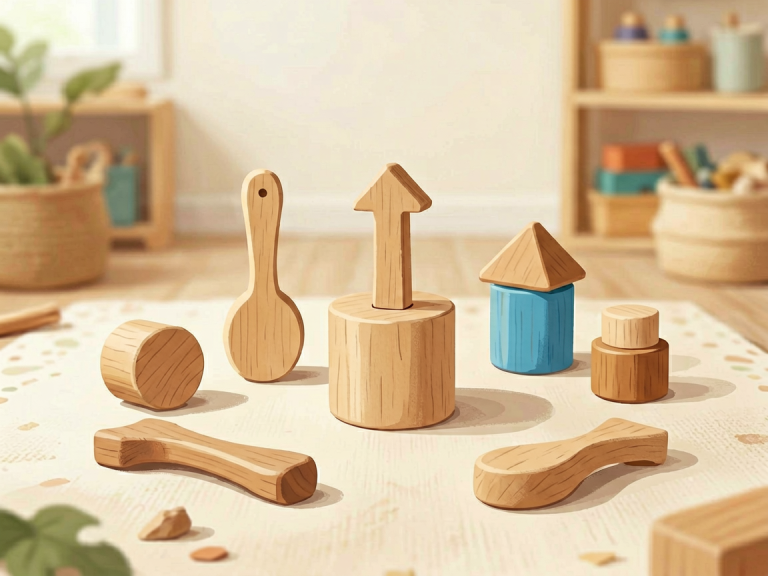
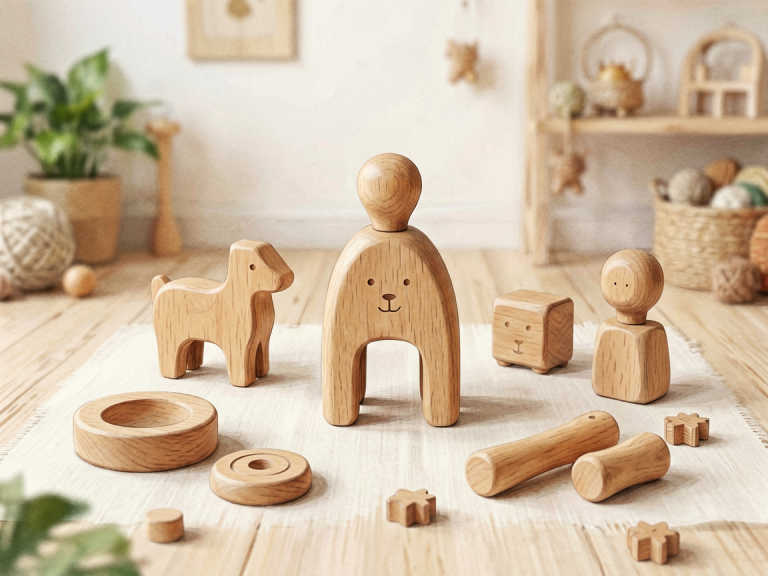
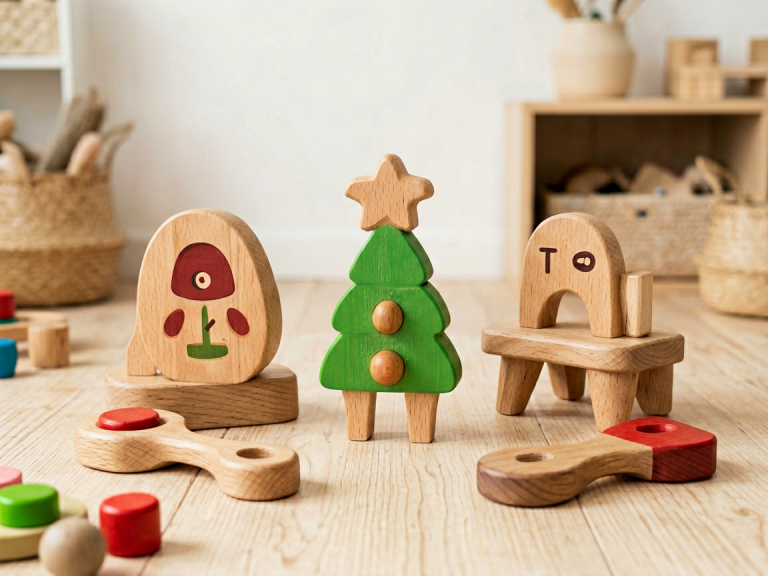
And consider the toy’s “openness.” The best toys are the simplest. Wooden blocks, cardboard boxes, art supplies, magnetic tiles, and plain dolls allow children to create their own stories. These toys do not need dazzling packaging because the real magic is in the child’s imagination. A box with a plain drawing of a few wooden pieces may not look impressive, but it will be played with for years. A flashy package with a million lights will be tossed aside in a week.
A Kinder Standard for Gifts
None of this means you should stop buying toys. Children love getting gifts, and there is nothing wrong with a little indulgence. But we can choose toys that respect the child and the planet. The packaging should be the smallest part of the experience, not the main event.
When you give a toy, think about what it will add to your child’s life. Will it create a memory? Will it encourage cooperation? Will it be something your child will treasure beyond the first evening? If the answer is no, then you are buying packaging, not a present.
The next time you stand in that bright, noisy aisle, take a breath. Ignore the flashing lights and the cartoon characters. Ask one question: “What will this toy be after the box is gone?” If the answer is “just a piece of plastic,” walk away.
The truth is that buying toys based on packaging is a mistake parents make because we are human. We want to give our children joy, and the packaging makes it look so easy. But the joy of a great toy does not come from the box. It comes from the child’s imagination, from the parent’s engagement, from the hours of open-ended play that no advertisement can capture.
So let the package be what it is: an advertisement, not a promise. The best toys do not need to shout from the shelf. They quietly wait for a child to turn them into something wonderful. And that is the only thing worth bringing home.