Secondhand Treasures: A Comprehensive Guide to Used Toys for Your 9-Month-Old
Introduction
The phrase “used toys for 9-month-olds” might initially conjure images of worn-out rattles or faded fabric blocks passed down from older siblings. Yet beneath this seemingly simple concept lies a rich intersection of child development, environmental stewardship, parental economics, and safety awareness. At nine months, infants stand on the cusp of remarkable transformation—they are no longer passive newborns but active explorers who grasp, mouth, shake, and pivot with newfound determination. Their playthings must meet evolving needs while satisfying parents’ practical concerns. This article delves deeply into the world of secondhand toys for this specific age group, examining why used toys can be excellent choices, how to evaluate them for safety, which types are most beneficial, and what pitfalls to avoid. By the end, you will understand that a carefully chosen pre-loved toy is not a compromise but a thoughtful investment in your child’s growth and your family’s values.
The Developmental Landscape of a Nine-Month-Old
Before assessing used toys, it is essential to understand what a nine-month-old actually does. At this stage, most infants can sit without support, reach for objects with precision, transfer items from one hand to another, and may begin to crawl or cruise. Their sensory systems are rapidly integrating: they track moving objects, respond to different textures, and show clear preferences for certain sounds and colors. Mouthing remains a primary mode of exploration—almost everything goes from hand to mouth. Additionally, social development surges: they play peek-a-boo, imitate gestures, and show attachment to familiar caregivers. Therefore, toys for this age must be safe for oral exploration, robust enough to withstand banging and dropping, and stimulating enough to encourage cause-and-effect learning. A used toy that has already passed through another child’s hands can still fulfill all these criteria—if chosen wisely.
Why Consider Used Toys for a Nine-Month-Old?
New toys are expensive, and a nine-month-old’s interests shift rapidly. A rattle that captivates today may be abandoned tomorrow for a stack of plastic cups. Secondhand toys offer a financially pragmatic solution: you can acquire a variety of developmental tools—shape sorters, nesting blocks, textured balls—without breaking your budget. Moreover, used toys are often more “broken in.” Many new plastic toys have sharp edges or strong chemical odors from manufacturing; a well-loved toy has typically already released any off-gassing and has been softened by use. Natural materials like wood may develop a patina that is actually safer (no splinters) and more pleasant to touch. There is also an environmental argument: reusing toys reduces plastic waste and the carbon footprint associated with manufacturing and shipping new products. For parents who value sustainability, passing along or purchasing used toys aligns with a broader commitment to responsible consumption.
Safety First: The Non-Negotiable Rules for Used Toys
Safety is the paramount concern when offering any used item to a nine-month-old who mouths everything. The first rule: never accept a toy that is missing parts, cracked, or has loose pieces. Small detachable elements—buttons, eyes on stuffed animals, beads from a necklace—pose a choking hazard. Check for sharp edges, especially on plastic toys that may have been chewed or dropped. Batteries are another critical issue: many musical toys for older children contain coin-cell batteries that can cause severe internal burns if swallowed. For a nine-month-old, avoid any used toy that requires batteries unless the battery compartment is secured with a screwdriver (and even then, inspect carefully). Soft toys should be machine-washable; look for stains, mold, or torn seams that could release stuffing. Finally, beware of older toys that may not meet modern safety standards. For example, some vintage toys contained lead-based paint or phthalates. If you cannot verify the manufacturing date or materials, it is better to pass. A simple test: if a toy smells strongly of chemicals, has flaking paint, or feels oddly greasy, discard it.
What Types of Used Toys Are Ideal for Nine-Month-Olds?
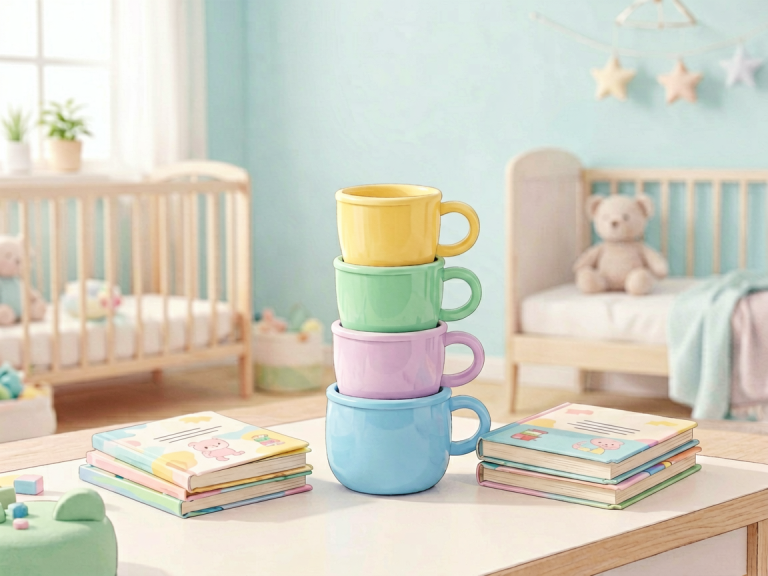
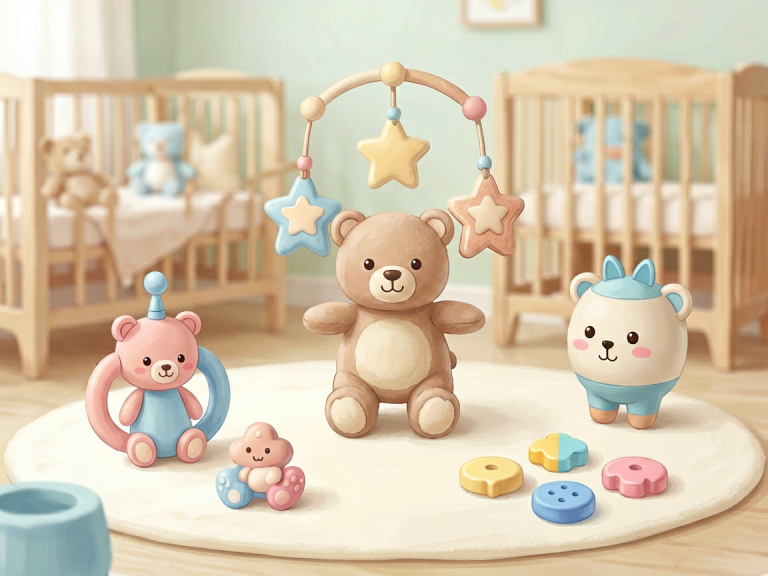
Not all used toys are created equal. The best secondhand options for this age are simple, sensory-rich, and open-ended. Wooden blocks (large enough to not be a choking hazard) are a classic—they offer weight, texture, and infinite stacking possibilities. Soft fabric books with crinkle pages, mirrors, and tags are abundant in the used market and are easy to sanitize. Rattles and teethers made from solid silicone or wood are durable; avoid those with liquid-filled chambers that could leak. Activity cubes with spinning gears, sliding beads, and doors develop fine motor skills. Stacking cups are ubiquitous in thrift stores and excellent for learning size relationships. Pull toys (if the infant is crawling) can be used with a short cord—but ensure the cord is less than 12 inches to prevent strangulation. Simple musical instruments like maracas or tambourines (with securely attached parts) encourage auditory development. Avoid used electronic toys with screens, flashing lights, or loud noises; they overstimulate nine-month-olds and discourage quieter, more focused play.
The Art of Cleaning and Disinfecting Used Toys
Proper cleaning transforms a grimy secondhand find into a safe plaything. The approach depends on the material. Plastic and silicone toys can be washed in hot, soapy water and then submerged in a diluted bleach solution (1 tablespoon bleach per gallon of water) for two minutes, followed by a thorough rinse. Alternatively, use a dishwasher on a high-temperature cycle if the toy is dishwasher-safe. Wooden toys require gentler care: wipe with a damp cloth and mild soap, then dry immediately. Do not soak wood; it may warp or crack. For stubborn grime, use a mixture of white vinegar and water. Soft toys and fabric items should be machine washed on a gentle cycle with hot water, then air-dried or tumbled on low heat. Check the care label if visible—but remember many used toys have lost their labels. If a stuffed animal has a musical box inside, remove it if possible or spot-clean instead. Bath toys (rubber ducks, squirt toys) are notorious for growing mold inside. A used bath toy is often unsafe; the small drainage holes trap moisture. It is better to buy new bath toys with a sealed design or no hole at all.
Potential Pitfalls and How to Avoid Them
Beyond immediate safety, there are subtler drawbacks to used toys. Overworn items may have lost their sensory appeal: a rattle that no longer rattles clearly, a mirror that is scratched, or a texture that has been smoothed away. A nine-month-old relies on clear cause-and-effect feedback; a dulled toy may frustrate rather than engage. Also, social stigma sometimes accompanies used items, but this is largely a parental concern, not a child’s. However, be mindful of hygiene in playgroups; if you plan to donate or share toys, ensure they are in excellent condition. Another pitfall is missing pieces: a shape sorter with only two shapes out of five will limit learning. Similarly, a puzzle with missing knobs or a torn page in a fabric book may not be worth the price (even if free). Always test a toy before giving it to your child. Finally, emotional attachment can be a factor: if you inherit a beloved toy from an older child, your nine-month-old may not share that nostalgia. Let go if the toy does not genuinely interest your baby.
Economic and Environmental Dividends
Choosing used toys for nine-month-olds is not merely frugal; it is a statement. The average American family spends hundreds of dollars on baby toys in the first year, many of which are used for only a few weeks before being outgrown. By opting for secondhand, you redirect that money toward other priorities—maybe a college fund, a family experience, or a comfortable diaper budget. Environmentally, the toy industry contributes significant plastic waste. Many toys are not recyclable due to mixed materials. Extending a toy’s lifespan through reuse keeps it out of landfills. Moreover, when you eventually pass along the toys you’ve acquired, you create a virtuous cycle. Some communities even have toy libraries where families can borrow and return items, further reducing consumption. For the nine-month-old, the cycle of discovery remains unchanged whether the toy is new or pre-owned; what matters is the quality of interaction between parent, child, and object.
Conclusion
Used toys for nine-month-olds are far more than hand-me-downs. They represent a deliberate, informed choice that balances a baby’s developmental needs with practical considerations of safety, budget, and ecological responsibility. A carefully selected secondhand wooden block or a sanitized fabric book can spark the same giggles, promotes the same grasping skills, and nurtures the same curiosity as its brand-new counterpart. The key lies in rigorous inspection, scrupulous cleaning, and a clear understanding of what a nine-month-old truly needs: simple, safe, sensory-rich objects that invite exploration. By embracing the pre-loved market, parents not only save money and reduce waste but also teach—by example—a lesson in resourcefulness and care for the planet. So the next time you spot a pile of gently used rattles at a garage sale or receive a bag of hand-me-down toys from a friend, pause and consider. With a little effort, those secondhand treasures can become your baby’s first beloved possessions.