The Savvy Parents Guide to Buying Used Toys: Safety, Savings, and Sustainability
As a parent, you know that children outgrow toys faster than you can keep up. The living room floor is a graveyard of colorful plastic, half-finished puzzles, and forgotten action figures. While the allure of a brand-new, shiny toy is undeniable, buying used toys has become an increasingly smart, economical, and environmentally conscious choice. But navigating the world of second-hand playthings requires more than just a quick scan of a garage sale table. How do you know if a used toy is safe? Is it worth the price? Will it last longer than a week? This parent decision guide will walk you through every step, helping you make informed, confident choices when buying used toys for your children.
Why Choose Used Toys? The Big Picture Benefits
Before diving into the how-to, it’s worth understanding why used toys deserve a spot on your shopping list. The financial savings are obvious: a gently used LEGO set that retailed for $80 might cost you $15 at a thrift store. But the benefits go far beyond your wallet.
Environmentally, the toy industry generates enormous waste. According to the World Economic Forum, millions of tons of plastic toys end up in landfills each year. By buying used, you extend the life of a toy, reduce demand for new plastic production, and keep functional items out of the trash. There’s also a sentimental charm: vintage wooden blocks or a classic board game carry a sense of history that no new product can replicate.
However, not all used toys are created equal. A parent’s primary job is to ensure that the toy is safe, clean, and developmentally appropriate. That’s where this guide comes in.
Safety First: What to Check Before You Buy
The most critical step in any used toy purchase is safety. Children, especially infants and toddlers, explore the world with their mouths and hands. A seemingly harmless toy can pose choking, chemical, or mechanical hazards.
Look for Recalls and Safety Alerts. Before you hand over a dime, check whether the toy has ever been recalled. The U.S. Consumer Product Safety Commission (CPSC) maintains a searchable database of recalled products. Pay special attention to older toys that may contain lead paint, small magnets, or phthalates. For example, many toys manufactured before 2008 may not meet modern safety standards. If you’re buying from an online marketplace, ask the seller directly if they know the model or brand, and cross-reference it.
Inspect for Physical Damage. Examine the toy thoroughly. Are there cracks, sharp edges, or loose parts? A broken plastic piece could become a choking hazard. For plush toys, check for stuffing that might be poking out, and ensure that any sewn-on eyes or buttons are firmly attached. If the toy has batteries, open the battery compartment. Look for corrosion, leaking, or rust. Old batteries can leak acid, which can burn skin or cause poisoning if ingested.
Beware of Magnets and Small Parts. Small, powerful magnets are especially dangerous if swallowed because they can attract each other through intestinal walls, causing perforations or blockages. Many older construction sets and magnetic toys have been recalled for this reason. For children under three, avoid any toy that has parts small enough to fit through a toilet paper tube (a common choke-test tool).
Cleaning and Sanitizing: Making Used Toys Safe for Play
Even a toy that passes the safety check may be covered in years of dust, grime, and germs. Cleaning used toys is not just about aesthetics—it’s about preventing the spread of colds, flu, or more serious infections.
For Plastic, Wood, and Metal Toys. These are the easiest to clean. Use warm water and mild dish soap, or a solution of one part white vinegar to three parts water. Scrub with a soft brush to reach crevices. Rinse thoroughly and air dry. For items that cannot be submersed (like electronic toys with speakers), wipe them down with a damp cloth and then disinfect with an alcohol-based wipe (70% isopropyl alcohol). Let them dry completely before use.
For Plush Toys and Stuffed Animals. Many can be machine-washed in a gentle cycle with a mild detergent. Place them in a pillowcase or mesh laundry bag to protect the fabric. Use cold water to prevent color bleeding. If the plush toy has any glued-on parts (like a bow or hat), hand-wash or spot-clean instead. For items that cannot be washed—for example, vintage teddy bears with glass eyes—wipe with a damp cloth and then expose to sunlight for a few hours. Sunlight is a natural disinfectant and can help eliminate odors.
Special Attention to Mouth Toys. Teething rings, rattles, and bath toys that have been chewed on or soaked need extra care. Bath toys with a hole in the bottom are notorious for growing mold inside. If you cannot see inside or dry them thoroughly, it is safer to discard them. For hard plastic teethers, boil them in water for five minutes (if they are heat-safe), or soak in a diluted bleach solution (one tablespoon of bleach per gallon of water) for two minutes, then rinse and air dry.
Age Appropriateness and Developmental Fit
Just because a toy looks fun doesn’t mean it’s right for your child’s stage of development. Used toys often lack original packaging, so you may not have the manufacturer’s age recommendation. You’ll need to make that judgment yourself.
For Infants (0–12 months). Avoid any toy with long strings, ribbons, or cords longer than 12 inches—they can pose a strangulation hazard. Stick to soft, rounded items that stimulate sensory exploration: cloth books, wooden rattles, or silicone teethers. Check that paint is non-toxic and not peeling. If you’re unsure, a simple lead test kit from a hardware store can give you peace of mind.
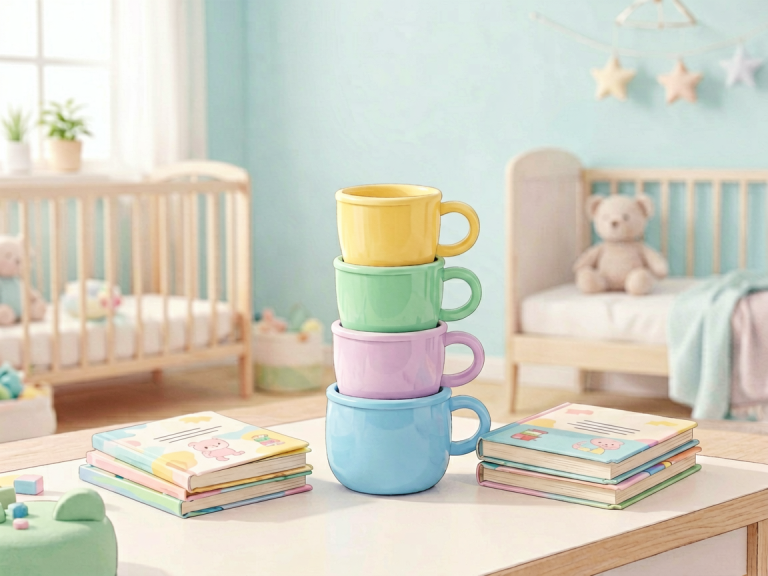
For Toddlers (1–3 years). This age group puts everything in their mouths. Avoid small parts and brittle plastic that can snap into sharp shards. Sturdy wooden puzzles with large knobs, push-and-pull toys, and plastic cars with no removable wheels are good bets. Also consider whether the toy is developmentally stimulating: does it encourage problem-solving, hand-eye coordination, or imaginative play? A used set of stacking cups, for example, is timeless.
For Preschoolers (3–5 years). This is the golden age of used toys. Children in this range can handle more complex play, and they often outgrow toys quickly. Look for building blocks, train sets, dollhouses, and simple board games. Avoid toys with small batteries that can be easily removed or swallowed. Also check that electronic toys still function properly—test them if possible.
For School-Age Children (6+). Used toys become more about interest than safety. But still check for sharp edges on action figures, ensure that collectible cars have no loose wheels, and verify that electronic games have all necessary cords and adapters. Some older electronics may contain hazardous materials like cadmium in circuit boards; if a toy seems very old (1980s or earlier), you may want to give it a pass.
The Price Factor: How to Value Used Toys
One of the biggest mistakes parents make is overpaying for a used toy. Just because it’s second-hand doesn’t mean it’s a bargain. Research is your friend.
Know the Retail Price. Before you buy, quickly look up the original new price of the toy. A good rule of thumb is to pay 30–50% of the original price for a toy in excellent condition, and 10–20% for a toy that shows moderate wear. For rare or collectible items (like vintage LEGO sets or discontinued Barbie dolls), the price may be higher—sometimes even more than retail. That’s fine if you’re a collector, but for everyday play, avoid paying a premium.
Factor in Missing Pieces. A puzzle with one missing piece is not a puzzle anymore. A board game with missing cards is frustrating. Always ask the seller: “Are all pieces included?” If they are not sure, ask for a photo of the contents. If a toy is incomplete, the price should drop significantly. Alternatively, you can check websites like eBay or Bricklink to see if you can buy replacement parts separately.
Consider the "Time to Obsolescence." Some used toys—especially electronic ones—may be only a few months away from losing app support or breaking. A child’s tablet that is three years old might have a dying battery and an outdated operating system. For such items, ask yourself whether the toy still serves its purpose if the interactive features fail. Mechanical toys, like pull-back cars or wooden trains, have a longer useful life.
Where to Find the Best Used Toys
Not all second-hand sources are equal. Each has its own pros and cons.
Thrift Stores and Charity Shops. These are treasure troves if you have patience. Prices are low, and you can often find unexpected gems. The downside is that you have no return policy and limited ability to test electronics. Inspect items carefully before buying. Some thrift stores have “as-is” sections where toys are sold cheaply because they are missing parts or have minor damage.
Garage Sales and Estate Sales. Great for negotiation. You can often bundle multiple toys for a flat price. Estate sales can be particularly fruitful for vintage or high-quality wooden toys. However, hygiene can be an issue—toys may have been stored in basements or garages. Bring wipes and inspect thoroughly.
Online Marketplaces (Facebook Marketplace, Craigslist, eBay). The advantage is convenience and access to photos. Use filters to search for specific brands or types. Always ask questions: “When was the toy manufactured?” “Has it ever been in a smoker’s home?” “Why are you selling?” Request additional photos of the battery compartment, any printed labels, and areas that might show wear. For local sales, arrange to pick up in a public place and inspect before paying.
Consignment Shops and Toy Swap Events. These are often more curated than thrift stores. Consignment shops evaluate toys for safety and condition, so you pay a bit more but get peace of mind. Toy swap events or communities (like local buy-nothing groups on Facebook) are excellent for free toys—just be prepared to give away some of your own in return.
Involving Your Child: The Emotional Side of Buying Used
Let’s be honest: some children are disappointed to receive a used toy. They might see it as “someone else’s trash.” That’s a teachable moment.
Tell the Story. Explain that the toy has already been loved by another child, and now it’s their turn to give it a new home. Frame it as an adventure. You can even say, “This fire truck helped a little boy learn to save the day. Now it’s going to help you!” Older children may appreciate the environmental angle: “Buying this used saves plastic from going into the ocean.”
Let Them Choose. Whenever possible, bring your child along (or involve them in the online search). When they pick out a used toy themselves, they feel a sense of ownership and pride. Encourage them to inspect the toy with you, teaching them how to check for safety. This also builds their critical thinking skills.
Clean It Together. Turn cleaning into a fun ritual. Give your child a spray bottle of water and a cloth, and let them help “wash the toy new.” This simple act transforms a used item into a freshly minted part of their collection.
When to Say No: Red Flags to Avoid
Even with a thorough guide, some used toys should be left behind.
- Any toy that smells strongly of mold, smoke, or chemicals. Odors are often impossible to remove completely, and they may indicate hidden contamination.
- Toys with peeling paint, especially on items meant for babies. The paint may contain lead or other toxins.
- Toys that have been modified or repaired with non-original parts. A doll with a glued-on arm might have toxic adhesive beneath the surface.
- Soft toys that cannot be washed and appear stained or have a musty odor. Microbes can linger.
- Electronic toys with frayed wires or exposed batteries. These pose an electric shock risk.
- Toys that are too old to verify safety standards. If you buy a metal toy car from the 1960s, there’s no way to know if the paint contains lead or if the metal has sharp edges.
A Final Word: The Joy of Rediscovery
Buying used toys is not just about saving money or saving the planet—it’s about rediscovering the magic of play. A vintage wooden train set might lack the flashing lights and digital sounds of a modern toy, but it sparks creativity in a way that batteries never can. A well-loved teddy bear carries the softness of decades of hugs. And every time you hand your child a second-hand toy, you’re teaching them that things can have more than one life.
Use this parent decision guide as your compass. Trust your instincts, do your research, and remember that the best toy is not the newest—it’s the one that brings joy, safely and sustainably, into your child’s hands.