The Second Life of Baby Toys: A Comprehensive Guide to Used Toys for Infants
Introduction
In a world increasingly aware of environmental sustainability and mindful consumerism, the concept of reusing goods has gained remarkable traction. Among the many items that families consider passing along or acquiring secondhand, baby toys occupy a uniquely important place. Infants grow rapidly, and their interest in a specific toy can fade within weeks. As a result, the market for “used toys in toys for babies” is both practical and profound. Parents, grandparents, and caregivers often face the question: Is it safe and beneficial to give a baby a toy that has already been loved? The answer, when approached with care and knowledge, is a resounding yes. This article explores the multifaceted world of used toys for babies, examining their economic, environmental, and developmental advantages, while also addressing the essential safety and hygiene considerations that every caregiver must understand.
The Economic and Environmental Benefits of Used Baby Toys
Raising a baby can be financially demanding, and the cost of brand-new toys adds up quickly. Many high-quality infant toys, from rattles to activity gyms, are designed to be durable yet are used for only a few months. By choosing used toys, families can redirect their budget toward other essentials such as diapers, formula, or healthcare. For instance, a gently used wooden stacking ring set that originally cost $30 might be available for $5 at a thrift store, offering the same developmental stimulation without the premium price tag. This economic advantage is especially significant for families with multiple children or those facing financial constraints.
Equally compelling is the environmental impact. The toy industry, like many others, contributes to resource extraction, manufacturing emissions, and eventual landfill waste. Plastic toys, in particular, can take centuries to decompose. By giving a toy a second life, parents directly reduce demand for new production and divert waste from overflowing landfills. For every used baby toy that finds a new home, one less plastic dinosaur or squeaky elephant will end up in the ocean or a dump. This simple act of reuse embodies the principles of a circular economy and teaches children, even from infancy through parental example, the value of stewardship.
Safety First: Essential Checks for Used Baby Toys
While the benefits are substantial, safety must remain the highest priority when introducing used toys to a baby. Infants explore the world with their mouths, and they lack the motor skills or judgment to avoid hazards. Before allowing a baby to play with a used toy, caregivers should conduct a thorough inspection.
First, examine the toy for any damage. Cracks, splinters, sharp edges, or loose parts can pose choking risks or cause cuts. For plush toys, check for torn seams or missing stitching that could release stuffing or small bean-shaped fillings. Second, pay close attention to small components. Buttons, eyes, bells, or any detachable piece that fits inside a toilet paper tube is a potential choking hazard and should be removed or the toy discarded. Third, verify that the toy does not contain toxic materials. Older toys may have been manufactured before safety regulations were tightened; for instance, some vintage plastic toys could contain phthalates or lead-based paint. If you cannot determine the toy’s history or composition, it is better to err on the side of caution and skip it. Finally, check for signs of mold, mildew, or unpleasant odors, especially in bath toys or soft toys that might have been stored in damp conditions.
Another crucial step is to verify that the toy still meets current safety standards. The U.S. Consumer Product Safety Commission (CPSC) and similar agencies in other countries regularly recall toys due to hazards. Before purchasing or accepting a used toy, a quick online search for recalls can prevent a serious accident. Websites like cpsc.gov allow users to search by brand, model, or description. This simple practice can save a baby from ingesting a magnet, swallowing a battery, or being strangled by a drawstring.
Cleaning and Sanitizing Used Baby Toys: A Step-by-Step Approach
Once a used toy passes the safety inspection, it must be thoroughly cleaned before a baby touches it. Infants have immature immune systems, and secondhand toys can harbor bacteria, viruses, or allergens from their previous home. The cleaning method depends on the toy’s material.
For hard plastic or silicone toys (like teethers, rattles, or building blocks), wash them in warm, soapy water using a mild dish detergent. Scrub all crevices with a clean brush, rinse thoroughly, and then submerge them in a solution of one part white vinegar to three parts water for 10 minutes. Vinegar is a natural disinfectant that is safe for babies. Alternatively, you can use a diluted bleach solution (1 tablespoon of bleach per gallon of water) and rinse completely afterward. Allow the toys to air dry on a clean towel.
For plush and fabric toys, check the care label. Many can be machine-washed in hot water with baby-safe detergent. Place them in a mesh laundry bag to protect their shape. For toys that cannot be washed, such as those with electronic components, wipe the surface with a cloth dampened with mild soapy water, taking care to avoid getting moisture into battery compartments or speakers. You can also use disinfectant wipes specifically formulated for baby items, but ensure they are fragrance-free and non-toxic.
Wooden toys require extra care, as soaking can cause cracking. Wipe them with a damp cloth and mild soap, then rinse quickly. To sanitize, lightly spray a solution of water and a few drops of tea tree oil or use a commercial toy sanitizer. Dry immediately with a clean cloth. For any toy, a final step is to place it in direct sunlight for a few hours; UV rays naturally kill many germs and help eliminate odors.
Age-Appropriateness and Developmental Value of Used Toys
Used toys should not only be safe and clean but also developmentally suitable for the baby’s current stage. The beauty of shopping secondhand is that you can often find classic toys that have been proven to stimulate growth, such as shape sorters, stacking cups, or activity tables—items that might be discontinued in new versions. However, care must be taken to avoid toys that are intended for older children and may contain small magnets, batteries, or long cords.
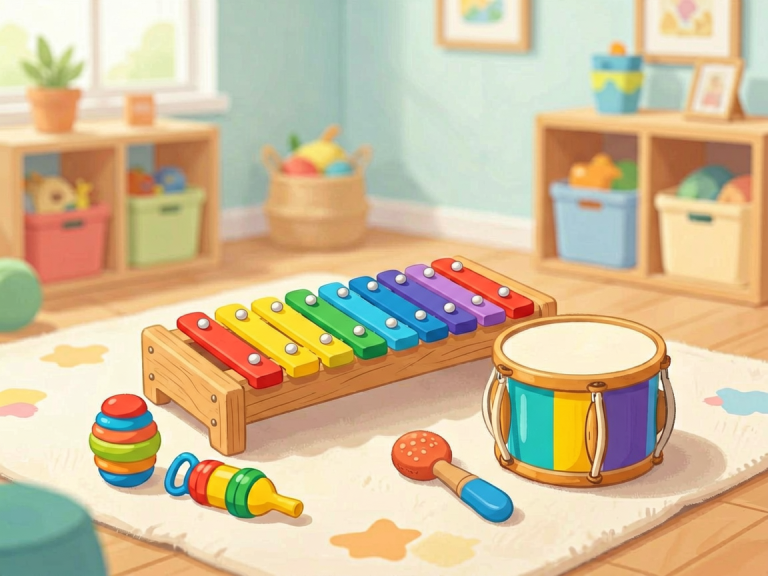
For newborns, look for used toys that encourage sensory exploration: black-and-white pattern cards, soft fabric books with crinkle pages, or unbreakable mirrors. For babies aged 3–6 months, toys that promote grasping and mouthing, like rubber teethers or lightweight rattles, are ideal. From 6 to 12 months, used toys that encourage cause-and-effect learning, such as drop-and-roll balls, simple puzzles, or stacking rings, provide excellent cognitive stimulation. Always ensure that any used electronic toy still has secure battery compartments (screwed shut) and that the sound levels are not too loud for a baby’s sensitive ears.
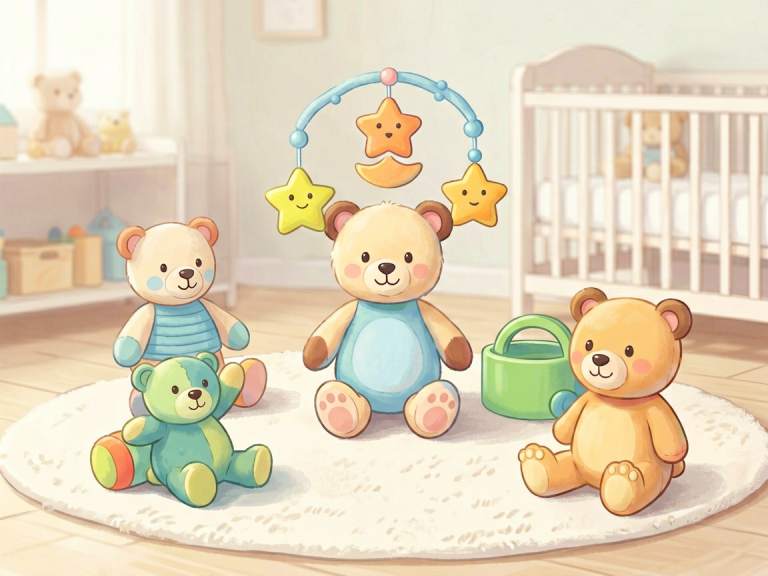
One often overlooked benefit of used toys is their potential for open-ended play. A secondhand set of wooden blocks from the 1980s might lack flashy lights, but it offers endless possibilities for creativity and fine motor development. Similarly, a gently used doll or stuffed animal can become a baby’s first “friend,” fostering emotional connection and pretend play as the child grows. By choosing used toys, parents are not depriving their babies of modern features; rather, they are offering timeless play experiences that have supported infant development for generations.
Where to Source Reliable Used Baby Toys
Not all used toys are created equal. Knowing where to look can make the difference between a treasure and a hazard. Thrift stores and consignment shops often sort through donations and discard items that are worn or broken, but it is still wise to inspect each toy meticulously. Online marketplaces like Facebook Marketplace, Craigslist, or specialized parenting groups allow you to see photos and ask the seller questions about the toy’s history and condition. Many parents offer bundles of gently used toys at very low prices, especially after their child outgrows an age range.
Garage sales and neighborhood swaps are also excellent sources, though they require more vigilance. Community toy libraries are a growing trend in many cities; these allow families to borrow toys for a period, ensuring that babies always have new (to them) stimuli without the accumulation of clutter. When purchasing from private sellers, always ask about any smoking or pet exposure in the home, as secondhand smoke residue and pet dander can cling to toys and trigger allergies in sensitive infants.
Another dimension to consider is cultural or family heirloom toys. A wooden rocking horse passed down from a grandparent carries sentimental value and can be restored with some sanding and a fresh coat of non-toxic paint. Such toys connect generations and provide a unique narrative that a mass-produced new toy simply cannot replicate.
Conclusion: A Thoughtful Choice for a Safer, Greener Future
The decision to incorporate used toys into a baby’s playroom is not merely a budget-minded compromise; it is a conscious lifestyle choice that benefits the planet, the wallet, and the child’s development. Armed with knowledge about safety inspections, proper cleaning, and age-appropriate selection, any caregiver can confidently embrace secondhand treasures. In doing so, they join a growing number of families who understand that a toy’s value is not measured by its price tag or packaging, but by the joy, learning, and connection it brings to a young life. As we raise the next generation, teaching them through action that things can be loved again and again is perhaps one of the most profound gifts we can give. So the next time you see a used rattle at a garage sale or receive a hand-me-down stuffed elephant from a friend, take a moment to clean it, inspect it, and then watch your baby discover it with the same wonder that the first owner once felt. That is the true magic of used toys in the world of babies.