The Case for Used Toys: Nurturing Your 6-Month-Old with Pre-Loved Playthings
Introduction
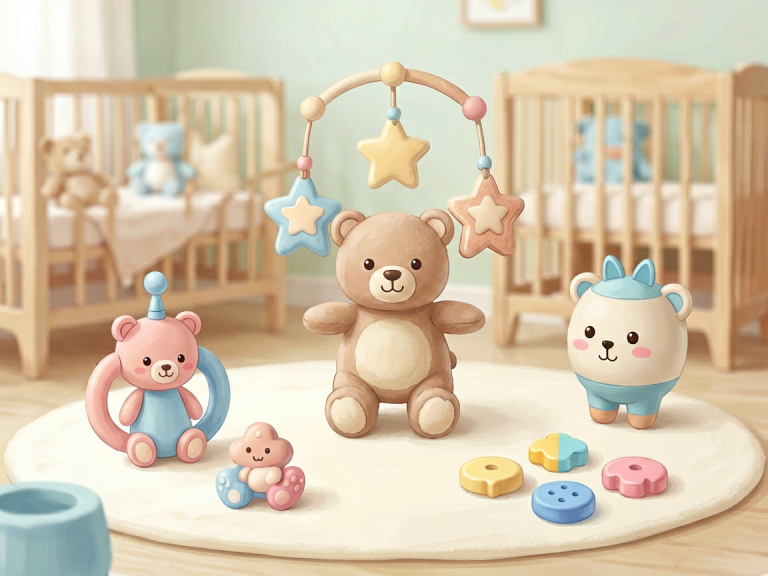
When a baby reaches the six-month milestone, the world suddenly expands. They begin to sit up, reach for objects, and explore textures with a new intensity. Their tiny hands grasp everything within reach, and their mouths become the primary tool for investigation. For parents, this developmental leap signals the perfect time to introduce age-appropriate toys. Yet, in a market flooded with shiny plastic contraptions and electronic gadgets, many caregivers overlook a simple, sustainable, and surprisingly beneficial option: used toys. Hand-me-down rattles, gently worn fabric books, and pre-loved teething rings often carry a stigma of being "second-rate," but for a six-month-old, they can be the most enriching playthings of all. This article explores why used toys deserve a prominent place in your baby’s toy box, covering developmental benefits, safety considerations, proper cleaning methods, and the environmental and economic advantages that make them an intelligent choice for modern families.
The Developmental Needs of a 6-Month-Old
At six months, an infant is in a rapid stage of sensorimotor development. According to Piaget’s theory, babies at this age learn primarily through their senses and actions. They are fascinated by cause-and-effect relationships—shaking a rattle makes noise, dropping a toy makes it disappear. Their vision has improved enough to track moving objects, and they begin to transfer items from one hand to the other. Teething often starts, so anything that can be safely mouthed becomes a prized possession. Crucially, a six-month-old does not care whether a toy is brand-new or previously loved. What matters is the toy’s sensory properties: its texture, weight, sound, and the way it responds to their actions. A well-worn wooden block with smooth edges, for example, can provide the same tactile stimulation as a freshly manufactured one—often more, because the wood has developed a natural patina that feels gentle on sore gums. Used toys, precisely because they have been played with, may even offer a richer sensory experience. A soft cloth book that has been crumpled thousands of times has unique creases and folds that a new book lacks, inviting the baby to explore a variety of tactile sensations. Moreover, many vintage or older toys are made from natural materials like untreated wood, cotton, or metal, which can be more satisfying to a baby’s developing nervous system than the uniform, sterile feel of modern plastics.
The Hidden Benefits of Used Toys
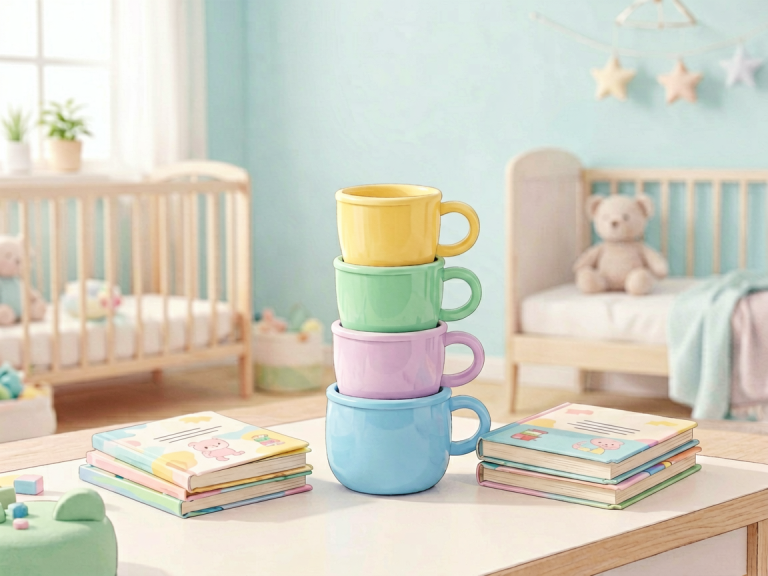
Beyond sensory appeal, used toys bring several hidden advantages that directly support a six-month-old’s growth. First, they often encourage more open-ended play. Many used toys, especially those made before the era of battery-operated entertainment, require the baby to initiate the action. A simple set of stacking cups or a pull-along wooden animal forces the infant to experiment with gravity, balance, and motor planning. In contrast, many new electronic toys for infants light up and play music automatically, which can overstimulate a young baby and reduce opportunities for active learning. Second, used toys often have a history. They carry the scent of another home, the slight wear from another child’s hands, and—psychologically speaking—they can signal a sense of continuity and community. While a six-month-old doesn’t understand this concept, parents and caregivers may feel more relaxed and less pressured about “keeping toys like new,” which reduces anxiety around mess and facilitates richer parent-child interaction. When a toy is already gently used, a parent is less likely to hover or correct the baby’s “rough” play, allowing the infant to explore freely. Finally, used toys tend to be simpler in design. Without complicated buttons and flashing lights, they invite the baby to focus on one quality at a time—the sound of a bell inside a rattle, the smell of natural rubber, or the feel of a wooden ring. This focus is vital for building concentration in a world of ever-increasing distraction.
Safety First: What to Check Before Passing Along Toys
Despite their benefits, used toys for a six-month-old require careful scrutiny. The baby’s oral exploration means any toy must be free of small parts that could cause choking. Check that all seams are intact, that no beads or plastic eyes can be pulled off, and that strings or ribbons are no longer than 12 inches to prevent strangulation. Avoid used toys with peeling paint, rust, or cracks—older toys may contain lead-based paint or phthalates. Look for labels or research the brand if possible; many vintage toys from before the 1980s are not safety-tested by modern standards. Soft toys should have a washable cover and no loose stuffing. Battery compartments must be secured with screws (not merely taped) to prevent battery leakage or ingestion. Also, inspect the toy for mold or mildew, especially if it has been stored in a basement or attic. A used toy that looks dirty or smells musty is not worth the risk, even after cleaning, because mold spores can be trapped in porous materials. Finally, trust your instincts: if a toy’s construction seems flimsy, if it has sharp edges, or if you are at all uncertain about its history (where it came from, whether it has ever been exposed to smoke or pet urine), it is safer to pass it by. The golden rule is that any used toy given to a six-month-old must be as carefully vetted as a new toy—sometimes more so.
How to Properly Clean and Sanitize Used Toys
Making a used toy safe for a six-month-old involves more than a quick wipe. Different materials require different cleaning methods. For hard plastic toys (like stacking cups or rattles without batteries), wash them in hot, soapy water, then rinse thoroughly. You can also submerge them in a solution of one part white vinegar to three parts warm water for ten minutes to disinfect naturally. Avoid bleach on plastic, as it can degrade the material and leave harmful residues. For wooden toys, never soak them; instead, wipe with a damp cloth and mild soap, then dry immediately. A light sanding with fine-grit sandpaper can remove any rough spots. To disinfect wood, use a spray of 70% isopropyl alcohol and let it air-dry completely. Fabric toys—such as cloth books or stuffed animals—should be machine-washed on a gentle cycle with fragrance-free detergent, then dried on low heat or air-dried. If the toy has a cardboard element inside (an old fabric book with paper pages), spot-clean only and avoid moisture that could cause mold. Always check the toy’s label if it exists. For teething toys made of silicone or natural rubber, boil them for five minutes in water, or place them in the top rack of the dishwasher. After cleaning, let every toy air-dry fully before giving it to the baby. The goal is not to create a sterile object but to remove dirt, bacteria, and allergens while preserving the toy’s safety and function.
Environmental and Economic Advantages
Choosing used toys aligns with a growing awareness of sustainability. The toy industry generates enormous plastic waste; many toys are made of non-recyclable materials and eventually end up in landfills. By opting for pre-loved playthings, you extend the life cycle of a product that already consumed resources to be manufactured. This is especially meaningful for six-month-old toys, which are often used for only a few months before the baby outgrows them. Economically, the savings are substantial. A new set of high-quality wooden stacking rings can cost $30 or more, while a used set in good condition might be found for $5 at a consignment sale or online marketplace. Over the course of a baby’s first year, parents can save hundreds of dollars by buying second-hand, money that can be redirected toward other needs like diapers, childcare, or a college fund. Furthermore, used toys often come with a built-in lesson about resourcefulness and gratitude—even if your baby is too young to understand, you are modeling a value system that prioritizes reuse over consumption. When you pass along a used toy to another family later, you join a cycle of generosity that strengthens community ties.
Overcoming Common Concerns
Skeptics might worry that used toys are “germy” or that they lack novelty. Addressing the germ concern: while six-month-olds are vulnerable to infection, most common cold viruses and bacteria do not survive long on dry surfaces, and proper cleaning (as described above) eliminates the vast majority of pathogens. In fact, some research suggests that moderate exposure to diverse microbes may help strengthen a baby’s developing immune system. Regarding novelty: babies at this age are not influenced by advertising or social pressure. A “new” toy to an infant is one they haven’t touched before—whether it was manufactured last week or last decade. Used toys can be rotated into the play space just like new ones, keeping the infant’s environment interesting. Another concern is the aesthetic: some parents want a “matchy” nursery or worry that used items look shabby. This is a personal preference, but many used toys, especially those made of natural materials, have a timeless beauty that fits any decor. And if a toy is truly stained or faded beyond appeal, you can simply choose not to take it. The key is to be selective, not dismissive.
Conclusion
For a six-month-old, the world is a dazzling place of discovery. Every rattle, every squishy ball, every textured tag blanket is a gateway to learning. Used toys, far from being inferior substitutes, offer a rich combination of sensory complexity, open-ended play, and historical character that new toys often lack. With careful inspection and proper cleaning, they can be just as safe—and often more engaging—than their store-bought counterparts. They save money, reduce environmental impact, and teach a subtle lesson in mindful consumption. So the next time you consider buying a shiny new toy for your six-month-old, take a moment to browse a thrift store, swap meet, or online marketplace. You might find a pre-loved treasure that will not only delight your baby but also charm you with its story. After all, the best toy for a six-month-old is one that invites exploration, withstands chewing, and fits perfectly into those curious little hands—regardless of whether it is new or gently used.