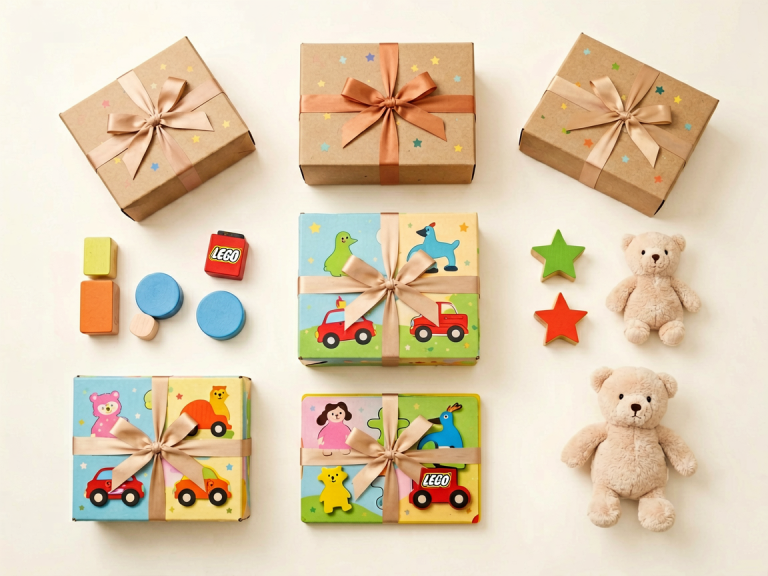
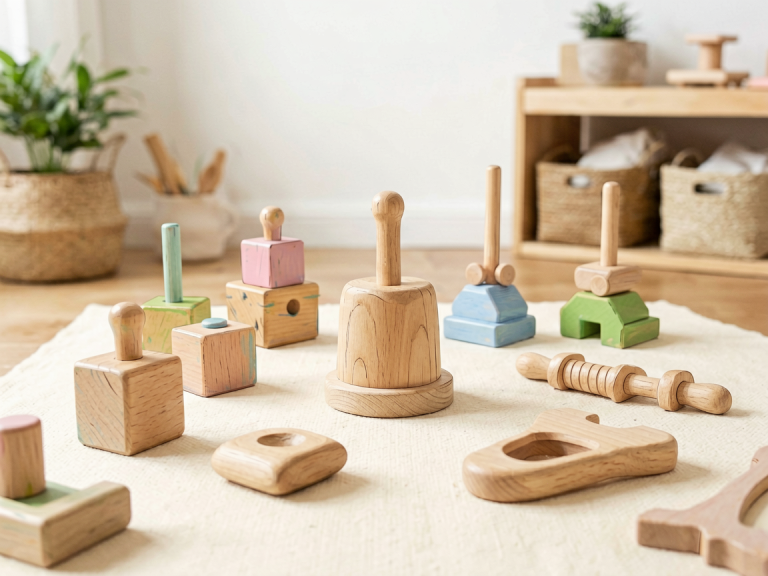
The Treasure Trove of Second-Hand Play: Why Used Toys Are Perfect for 10-Year-Olds
—
Introduction: Rethinking the “New Is Better” Myth
In a world where glossy advertisements and YouTube unboxing videos constantly push the latest plastic gadget, the humble used toy often gets overlooked. Parents of 10-year-olds might instinctively reach for the newest action figure, the most advanced remote-control car, or the trending board game still wrapped in cellophane. Yet hidden in garage sales, thrift stores, and online marketplaces lies a goldmine of potential. Used toys aren’t just cheap alternatives; they are powerful tools for learning, creativity, and connection. For a 10-year-old—a child on the cusp of pre-adolescence, old enough to understand value but still young enough to love play—used toys offer unique benefits that brand-new items rarely can. This article explores why second-hand playthings deserve a prime spot in the toy box of any 10-year-old, and how they can enrich a child’s development in ways that go far beyond the price tag.
—
1. Financial Literacy: The First Lessons in Smart Spending
At age 10, children begin to grasp the concept of money beyond simple exchange. They save allowances, dream about expensive purchases, and sometimes compare what their friends have. Introducing used toys at this stage provides a natural, hands-on lesson in economics.
Understanding Value vs. Price
A brand-new video game console might cost $300, while a gently used one from a neighbor could be $150. By choosing the used option, a 10-year-old learns that “new” does not always mean “better.” They see that a toy’s function—the joy it brings—remains intact even without the factory seal. This lesson extends beyond toys: it plants the seed for future decisions about cars, electronics, and even housing.
The Joy of Bargain Hunting
Searching for used toys turns shopping into a detective game. A child who finds a rare Lego set at a thrift store for a fraction of its original price feels a sense of accomplishment. They also learn to compare quality: Is that second-hand Nerf gun missing a dart? Can the missing piece be replaced? These small decisions build critical thinking. Moreover, spending less on toys means more money left for other priorities—saving for a bigger goal, donating to charity, or investing in experiences like a family trip.
Practical Tips for Parents
Encourage your 10-year-old to set a budget for used toy shopping. Let them browse online classifieds (with supervision) and decide which items are worth the cost. This early exposure to budgeting and negotiation—yes, haggling politely at a garage sale is a real skill—prepares them for the financial realities of adulthood.
—
2. Environmental Stewardship: Learning to Care for the Planet
Ten-year-olds are often taught about recycling, climate change, and waste in school. Used toys provide a tangible way to put those lessons into practice.
Reducing Plastic Footprint
The toy industry produces millions of tons of plastic waste annually, much of which ends up in landfills or oceans. Every used toy that is purchased instead of a new one means one less set of packaging, one less shipment across the ocean, and one less piece of plastic manufactured. When a 10-year-old chooses a second-hand teddy bear or a pre-loved puzzle, they become an active participant in reducing environmental harm.
The Story Behind the Toy
Used toys often come with history. A worn-out roller skate might have been a birthday gift for another child, or a chess set might have accompanied a family through many rainy afternoons. This narrative dimension fosters a sense of connection and gratitude. It also teaches children that objects have life cycles—an idea that combats the “throwaway culture” so common in modern society.
Encouraging Repair over Replacement
A used toy that is missing a wheel or has a loose stitch becomes a project. Instead of discarding it, a 10-year-old can learn basic repair skills: sewing a button on a doll’s dress, gluing a broken plastic hinge, or finding a replacement part online. This mindset shift is crucial for sustainability. Children who repair their toys are more likely to fix a broken phone or mend torn clothes as teenagers and adults.
—
3. Historical and Cultural Discovery: Connecting to the Past
Used toys are time capsules. For a 10-year-old, exploring toys from previous decades is like a mini history lesson that feels less like schoolwork and more like adventure.
The Charm of Retro Design
A 1990s Tamagotchi, a vintage Transformers action figure, or a set of original Pokémon cards from the 2000s can spark endless curiosity. Why did children in the 80s love Rubik’s Cubes? How did kids entertain themselves before tablets? These questions lead to conversations about technology, fashion, and social norms. A 10-year-old might even compare the graphics of an old handheld electronic game to the hyper-realistic graphics of a modern console—and appreciate the evolution.
Collecting as a Hobby
Many used toys, especially those with limited editions or discontinued lines, have collector value. While 10-year-olds are not likely to invest seriously, they can begin a small collection—comic books, marbles, Hot Wheels cars, or vintage dolls. Collecting teaches patience, research skills (checking prices on eBay), and the thrill of completing a set. It also connects them to a community of enthusiasts, both online and at swap meets.
Intergenerational Bonding
Used toys often come from parents’ or grandparents’ own childhoods. A mom might share her favorite 1980s Barbie, or a dad might pass down a classic model car kit. These moments of sharing create emotional bonds and give 10-year-olds a window into their family history. They learn that play is timeless, and that the same simple joys—building, imagining, competing—have connected generations.
—
4. Creativity Unleashed: The Power of Imperfection
A brand-new toy comes with instructions, batteries, and expectations. A used toy often arrives incomplete, scratched, or slightly different from its original state—and that is exactly what makes it magical for a 10-year-old’s imagination.
Open-Ended Play
Without a manual, children invent their own rules. A used wooden train set missing a few tracks becomes the foundation for a modular city. A doll with a missing shoe becomes a pirate who lost a leg in a storm. This unpredictability forces creative problem-solving. Instead of following a pre-designed scenario, 10-year-olds become storytellers, engineers, and directors of their own narratives.
Upcycling and DIY Projects
Used toys are perfect raw materials for art and construction. A broken remote-controlled car can be dissected for its motor and wheels; plastic figures can be painted into custom characters; board games missing cards can be repurposed into new game concepts. These activities encourage hands-on learning in physics, design, and aesthetics. Many 10-year-olds who grow into engineers or artists cite early experiences of modifying broken toys as their first spark of inspiration.
Comparison with Digital Play
While video games offer structured storylines, physical used toys demand active imagination. A 10-year-old building a spaceship from random Lego bricks and old bottle caps develops spatial reasoning and fine motor skills that screen-based play often neglects. The tactile experience—feeling the weight of a metal car, the texture of a worn teddy bear’s fur—anchors them in the real world.
—
5. Social Skills and Community Engagement
Used toys are rarely bought in isolation. They often come from interactions with others—neighbors, charity shops, online sellers, or toy swap events. For a 10-year-old, these encounters are valuable social training.
The Art of Negotiation and Communication
At a garage sale, a child might politely ask, “Would you take $5 for this?” That simple question teaches negotiation, politeness, and the ability to handle rejection. In online transactions, they learn to write clear messages, describe items accurately, and arrange pickups. These are real-world skills that school rarely teaches.
Toy Swaps and Community Events
Many communities host toy exchange days where children bring used toys and trade. Participating in such events teaches reciprocity and sharing. A 10-year-old who trades a duplicate action figure for a puzzle learns that one person’s unwanted item can be another’s treasure. They also practice decision-making: Is the trade fair? Do I really want that?
Empathy and Generosity
Used toys can also be donated. When a 10-year-old selects gently used toys from their own collection to give to a children’s hospital or a shelter, they experience the joy of giving. They learn that their old toys can bring happiness to others, reinforcing empathy and reducing the instinct to hoard. This is a powerful emotional lesson that new toys—with their shiny, exclusive aura—rarely offer.
—
6. Safety and Practicality: How to Choose Well
Of course, not all used toys are suitable. Parents and 10-year-olds should know how to evaluate second-hand playthings to ensure safety and fun.
Check for Recalls and Hazards
Older toys may contain lead paint, small magnets, or other choking hazards. Before buying, check online databases (e.g., CPSC in the U.S.) for recalls. For example, some vintage plastic toys from the 1970s had harmful levels of phthalates. A 10-year-old can be taught to inspect toys for sharp edges, loose parts, or mold.
Age-appropriate Complexity
At 10, children can handle more sophisticated toys: complex board games like Settlers of Catan, advanced building sets, science kits (even used ones if chemicals are replaced), or strategy-based video games on older consoles. Avoid toys that are too babyish (e.g., simple rattles) or too mature (e.g., extremely violent action figures without context).
Clean and Restore Together
Involving the child in cleaning a used toy—washing plastic parts with soap, sanitizing stuffed animals, polishing metal cars—teaches responsibility. It also makes the toy feel truly “theirs” after the refurbishment. This process turns the act of buying into a shared project.
—
Conclusion: The Play Value Beyond Price
Used toys are far more than bargain-bin leftovers. For a 10-year-old, they are portals to financial wisdom, environmental consciousness, historical wonder, creative freedom, and social growth. In a culture that often equates happiness with novelty, choosing second-hand is a quiet rebellion—a celebration of imagination over packaging, of stories over marketing hype.
As you consider the next addition to your child’s playroom, pause before clicking “Add to Cart” on a brand-new item. Imagine the hidden possibilities of a scratched wooden train, a well-loved doll, a puzzle with a missing corner piece. These toys have lived before. They carry memories, wait for new owners, and—if given a chance—will teach your 10-year-old lessons that no factory-fresh product ever could.
Let the treasure hunt begin.