The Toy Trap: Why 6-Year-Olds Outgrow Their Toys So Fast and How to Choose Wisely
—
Introduction
Every parent has been there: you spend hours researching the perfect birthday or holiday gift for your 6-year-old, only to watch it gather dust within a week. The brightly colored plastic truck sits untouched, the fashion doll’s hair is matted and forgotten, and the board game’s box has lost its corners. This phenomenon—children outgrowing toys at an alarming speed—is especially pronounced at age six. At this pivotal developmental stage, kids are no longer toddlers but not yet independent school-age children. Their interests, cognitive abilities, and social needs shift dramatically, often leaving perfectly good toys behind. Understanding why 6-year-olds outgrow toys fast is the first step to making smarter purchasing decisions. This article will explore the psychology behind toy abandonment and offer practical strategies for choosing playthings that grow with your child, not against them.
—
The Rapid Developmental Leap at Age Six
Cognitive Growth and Curiosity
At six, a child’s brain is undergoing a transformation. They’ve typically entered Piaget’s concrete operational stage, where they begin to think logically about concrete events. They can categorize, sequence, and understand cause-and-effect more deeply. A toy that was fascinating a year ago—say, a simple shape sorter—now feels insultingly easy. Their hunger for challenge escalates. They want puzzles with more pieces, building sets with intricate instructions, and games that require strategic thinking. If a toy doesn’t offer a new layer of complexity, it gets abandoned.
Social and Emotional Shifts
Six-year-olds are also developing a stronger sense of self and a need for peer interaction. They start forming friendships based on shared interests rather than mere proximity. A solitary toy like a battery-operated dancing robot may lose its appeal because it doesn’t facilitate collaboration or pretend play with friends. Meanwhile, toys that enable role-playing (e.g., a doctor’s kit or a spaceship) can become even more engaging when played with companions. The child’s social world expands, and toys that don’t adapt to this shift are quickly outgrown.
Physical and Fine Motor Development
At six, fine motor skills are improving rapidly, but they are still developing. Some toys (like tiny building blocks or craft kits with small parts) can be frustratingly difficult, while others (like simple push cars) are too easy. The Goldilocks zone narrows: the toy must be challenging enough to hold interest but not so hard that it causes meltdowns. When a toy misses this sweet spot, children lose motivation and move on.
—
Common Mistakes in Toy Selection
Mistake 1: Buying Based on Age Label Alone
Many parents assume that the “3+” or “6+” label on the box guarantees suitability. But these labels are often broad guidelines, not developmental assessments. A 6-year-old may have advanced language skills but weak fine motor control, or vice versa. A “6+” puzzle with 100 pieces might be perfect for one child, while another with excellent logic might outgrow it in thirty minutes. Relying solely on age recommendations leads to mismatched toys.
Mistake 2: Chasing Trends and Fads
The marketing machine is powerful. From movie-themed toys to viral TikTok sensations, 6-year-olds are bombarded with commercials and peer pressure. A child might beg for a certain branded action figure or a specific collectible toy, only to discard it when the next trend arrives. These toys often lack inherent play value; their appeal hinges on novelty rather than depth. Once the novelty fades—usually within days—the toy becomes landfill.
Mistake 3: Overestimating “Educational” Toys
Not all educational toys are created equal. Some so-called “STEM” kits are little more than a set of instructions to build one specific model. Once built, the toy has no replayability. For a 6-year-old, the process of following steps can be satisfying once, but they quickly crave open-ended creation. Similarly, electronic learning tablets with preloaded games may entertain for a while, but the limited interactions soon bore children who want to invent their own rules.
Mistake 4: Ignoring the Child’s Individual Passions
A generic “toy for boys” or “toy for girls” approach fails spectacularly. A child who loves dinosaurs will outgrow a plastic dinosaur figurine much faster than a dinosaur excavation kit that lets them “discover” fossils. Another child obsessed with drawing will find a simple coloring book dull but a set of quality markers and blank paper endlessly engaging. When toys don’t align with a child’s unique interests—which at age six are becoming more defined—they are quickly outgrown.
—
Strategies for Choosing Long-Lasting Toys
1. Embrace Open-Ended Playthings
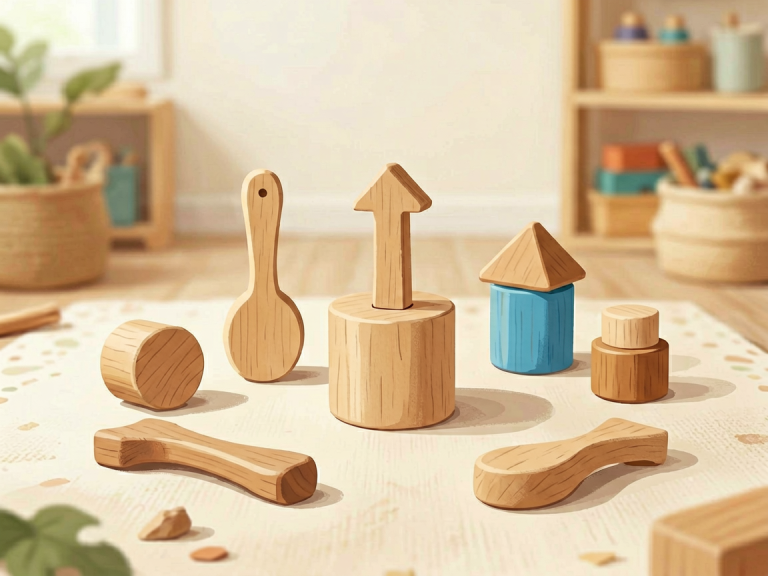
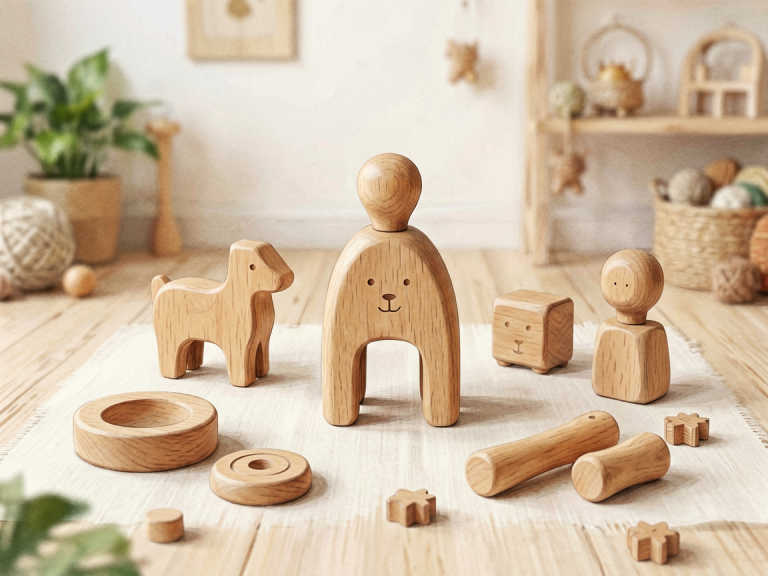
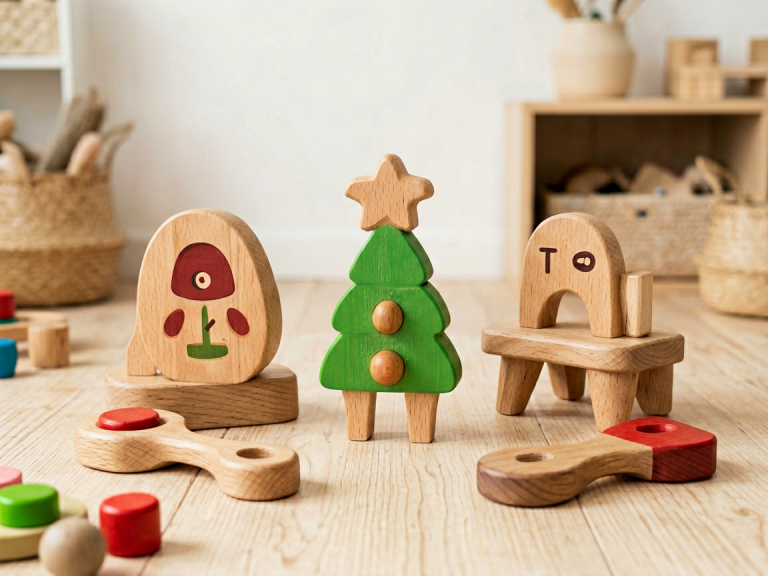
Open-ended toys have no fixed outcome. They can be used in countless ways, evolving with the child’s imagination. Classic examples include wooden blocks, LEGO bricks (especially the basic sets, not themed kits), magnetic tiles, play dough, and art supplies like clay, watercolors, and recycled materials. A set of wooden blocks can be a castle one day, a bridge the next, and a math-learning tool the week after. For a 6-year-old, the creative possibilities are limited only by their mind. These toys rarely get outgrown because they adapt to the child’s cognitive level.
2. Prioritize “Process” Over “Product”
Instead of buying a kit that yields a single pre-designed model, look for toys that emphasize the process of creation. A marble run set, for instance, allows children to experiment with gravity, angles, and speed. They can rebuild it dozens of times, each attempt teaching something new. Similarly, a simple sewing kit with felt and needles lets a child design their own stuffed animals—the finished product is secondary to the joy of making. Process-oriented toys sustain interest far longer than outcome-oriented ones.
3. Select Toys That “Grow” with the Child
Some toys are designed to increase in complexity. For example, a beginner’s robotics kit might start with simple motorized parts and later allow coding. A good board game like *Ticket to Ride: First Journey* can be played at a basic level but also has advanced variants. Even a classic like a Rubik’s Cube can be a simple color-matching toy at first and then a logic puzzle later. When choosing, ask: “Will this toy still be engaging in six months? A year? Can my child use it in a more sophisticated way as they mature?”
4. Look for Social and Collaborative Elements
Toys that can be enjoyed with others—siblings, friends, or parents—tend to have longer lifespans because they tap into the child’s social needs. Cooperative board games (where players work together against the game, not each other), building sets that require teamwork, and outdoor toys like a simple jump rope or a soccer ball all encourage shared play. A 6-year-old may quickly outgrow a solitary video game, but they will return again and again to a game that creates bonding moments.
5. Invest in Quality Over Quantity
A cheap plastic toy that breaks after two days is quickly outgrown—literally, because it’s broken. But a sturdy, well-made toy (like a wooden train set or a stainless-steel balance bike) can survive years of rough play and still be passed down. Quality also means design that invites creative use. For example, a high-quality dollhouse with open rooms encourages endless storytelling, whereas a cheap, pre-decorated one limits play.
—
The Role of Parental Engagement
Even the best-chosen toy can be forgotten if left entirely to the child. Parental involvement dramatically extends a toy’s shelf life. When you sit down and build a fort with your child using the same blocks they’ve used for months, you demonstrate new possibilities. You can suggest challenges: “Can we build a tower that’s taller than the sofa?” You can introduce rules for a game, then later let your child modify them. This co-play not only deepens the child’s connection to the toy but also builds problem-solving and language skills.
Moreover, parents can help “rotate” toys. Instead of leaving all toys accessible at once, keep a stash in the closet and swap them every few weeks. A toy that felt stale suddenly becomes fresh again. This technique works especially well with open-ended toys. For 6-year-olds, a toy that has been “lost” for a month often feels brand-new when it reappears.
—
A Checklist for Smart Toy Shopping
Before buying, ask yourself these questions:
- Will this toy challenge my child appropriately?
Not too easy (boredom) and not too hard (frustration).
- Can it be used in multiple ways?
Does it have a single purpose, or can it be transformed?
- Will my child likely still play with it six months from now?
Consider trends, the child’s passions, and the toy’s adaptability.
- Does it encourage interaction with others?
Solo play is fine, but collaborative features add longevity.
- Is it made of durable, safe materials?
A broken toy is instantly outgrown.
- Does it align with my child’s current interests?
Not what you think they *should* like, but what they actually enjoy.
- Can I imagine my child “growing into” it?
For example, a simple microscope can be used to look at leaves today, and later to examine cells with a parent’s help.
—
Conclusion
Choosing toys for a 6-year-old is a delicate art. The rapid pace of development at this age means that what captivates them today may bore them tomorrow. But by understanding the underlying reasons for fast outgrowing—cognitive leaps, social shifts, and mismatched challenges—parents can make more informed decisions. Open-ended, process-oriented, and socially engaging toys that grow with the child are far less likely to end up in the donation bin after a week. And when paired with parental involvement and smart rotation, even simple toys can hold a child’s interest for years. Remember: the goal is not to buy the most toys, but to buy the *right* toys—ones that inspire creativity, foster connection, and adapt to the wonderful, ever-changing mind of a six-year-old.