Choosing the Right LEGO Style Bricks for Elementary School Kids: A Comprehensive Guide
LEGO style bricks have long been a favorite in households with young children, offering endless opportunities for creativity, problem-solving, and fun. For elementary school kids—typically aged 6 to 12—these building blocks are more than just toys; they are powerful tools for developing fine motor skills, spatial awareness, and even early engineering concepts. However, with the vast array of options on the market—from official LEGO sets to countless third‑party compatible brands—parents often find themselves overwhelmed. How do you choose the right bricks that are safe, engaging, and educationally valuable? This guide breaks down the key factors to consider, ensuring you make an informed decision that your child will love and benefit from.
—
Age Appropriateness and Safety
The first and most critical criterion when selecting LEGO style bricks for elementary school children is safety. While many sets are labeled with age recommendations, it is important to go beyond the box. For younger elementary kids (ages 6–8), avoid sets with extremely small pieces that could pose a choking hazard, especially if the child still tends to put objects in their mouth. Official LEGO sets strictly adhere to global safety standards, but third‑party brands may not always meet the same rigorous testing. Look for labels such as ASTM (American Society for Testing and Materials) or EN71 (European Standard for Toy Safety) to ensure the bricks are free from harmful chemicals like phthalates and lead.
Additionally, consider the physical size and weight of the bricks. Standard LEGO bricks are uniform in size and easy for little hands to grip, but some off‑brand replicas may have sharper edges or inconsistent dimensions that can cause frustration or even minor injuries. A good rule of thumb is to choose bricks that are slightly larger than the classic 2×4 block for kids on the younger side, as they are easier to manipulate. For older elementary kids (ages 9–12), smaller specialty pieces—such as Technic pins, gears, or mini‑figures—can be introduced, but always supervise play until you are confident in your child’s handling ability.
—
Educational Value and Skill Development
One of the greatest advantages of LEGO style bricks is their ability to nurture a wide range of skills. When choosing bricks for elementary school kids, think beyond mere entertainment. Look for sets that encourage STEM learning (Science, Technology, Engineering, and Mathematics). Many official LEGO Education sets are designed specifically for classroom or home learning, focusing on concepts like gears, levers, and basic programming when combined with compatible motors or hubs. For instance, the LEGO Classic line offers open‑ended building, which promotes creativity and problem‑solving without rigid instructions.
On the other hand, theme‑based sets—such as LEGO City, Friends, or Ninjago—can enhance narrative thinking and social‑emotional learning. Children build scenes and role‑play, which improves language skills and empathy. For a more structured challenge, choose sets that include step‑by‑step manuals, teaching kids to follow directions and develop patience. If your child is particularly interested in architecture or mechanics, look for sets with moving parts, like the LEGO Technic series (for ages 7+). Just be aware that Technic pieces are smaller and more complex, so they may not be suitable for all elementary ages.
Furthermore, bricks that are compatible with digital apps or programmable hubs (like LEGO SPIKE Prime or Boost) can introduce coding and logical thinking in a tactile, engaging way. These are excellent for older elementary children who show an early interest in technology.
—
Theme and Interest Alignment
A child’s intrinsic motivation to build and play is significantly higher when the bricks align with their personal interests. Elementary school kids often have strong preferences—dinosaurs, space exploration, fairy tales, vehicles, or popular movie characters. Choosing a theme that resonates with your child will sustain their engagement and encourage longer, more focused play sessions.
Official LEGO produces a staggering variety of themes: LEGO Harry Potter, LEGO Star Wars, LEGO Minecraft, LEGO Disney, and many more. However, these licensed sets tend to be more expensive. If budget is a concern, many third‑party brands offer compatible bricks in similar themes (e.g., space, police, farm) at a fraction of the cost. Just ensure that the quality (clutch power and color consistency) is adequate. Some knock‑off brands have bricks that fit too loosely or too tightly, leading to frustration.
For children who are less interested in predefined themes, a large bucket of classic bricks (like LEGO Classic Creative boxes) is an excellent choice. These allow total freedom, enabling kids to build whatever their imagination conjures. A mix of basic bricks, plates, wheels, windows, and mini‑figure accessories can provide endless variety.
—
Budget and Value for Money
LEGO style bricks can range from a few dollars for a small polybag to hundreds for a large complex set. For elementary school kids, it is wise to balance cost with potential longevity. Rather than buying one huge, elaborate set that may be built once and then forgotten, consider investing in modular pieces. A collection of basic bricks and specialty elements (like hinges, axles, and turntables) can be reused in countless new creations, offering far better value over time.
Many experienced parents advocate for buying “bulk” lots of used LEGO bricks online or at thrift stores. As long as the bricks are clean and in good condition, they can provide years of play. Just be careful about mixing official LEGO with incompatible third‑party bricks, as the slight size differences can cause poor fit. If you decide to go with a budget brand, read reviews carefully. Brands like Lepin, Sluban, or Cobi have gained popularity, but their quality varies. Some are excellent replicas; others have brittle plastic or mismatched colors.
Another budget‑savvy approach is to start with a few small theme sets and supplement them with a large classic brick box. This way, the child gets the excitement of a directed build plus the flexibility of free creation. As your child’s skills grow, you can add specialized pieces—gears, pulleys, or even motorized parts—without necessarily buying whole new sets.
—
Compatibility and Expansion
One of the most practical considerations is whether the bricks you choose are compatible with other brands or existing collections. Official LEGO bricks are perfectly compatible with many third‑party brands, but not all. Some cheaper brands use slightly different dimensions or have a different “clutch” (the friction that holds bricks together). Poor compatibility means that creations will fall apart easily or that pieces cannot be connected at all.
If you already own official LEGO bricks, it is generally safest to stick with the same brand for new purchases. However, if you are starting from scratch, you might consider a high‑quality third‑party line that is known for tight compatibility—for example, Mega Bloks (now Mattel) works well with LEGO for basic bricks, though some specialty parts differ. For serious builders, maintaining a standard system (e.g., all LEGO or all a specific compatible brand) reduces frustration and encourages more complex building.
Also think about future expansion. Will you be able to add motorized kits, lights, or programmable elements later? LEGO has a vast ecosystem that includes LEGO Boost, SPIKE Prime, and Mindstorms, but these require specific hubs and sensors. If you foresee your child moving into robotics, investing in official LEGO Education kits or at least LEGO‑compatible electronic modules is advisable.
—
Quality and Durability
Elementary school kids can be rough on toys. Bricks get thrown, stepped on, and dunked in water. Therefore, durability is paramount. Official LEGO bricks are injection‑molded to tight tolerances and made from ABS plastic, which is tough and resistant to cracking. They can withstand thousands of connections and disconnections. Many third‑party bricks are also made of ABS, but the formulation may be inferior, leading to brittleness over time. A simple test: if a brick feels too light or has a rough texture, it may not last.
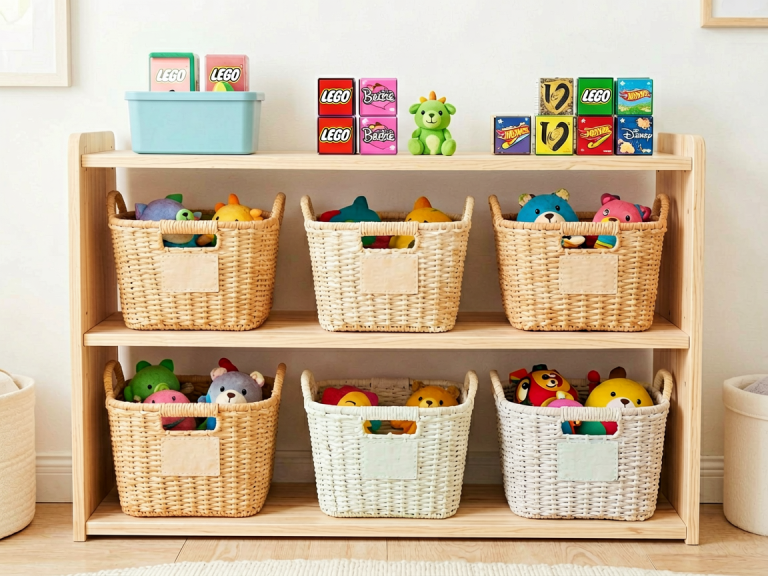
Also consider the color fastness and print quality. Some cheap bricks fade or scratch easily, and printed details (e.g., mini‑figure faces) may rub off. For children who like to follow visual instructions, accurate colors and clear prints matter. Finally, check the storage solution. A set with a sturdy plastic box or a reusable bag can help keep pieces organized, teaching responsibility and preventing loss.
—
Conclusion
Choosing LEGO style bricks for elementary school kids doesn’t have to be daunting. By prioritizing safety, aligning with your child’s interests, focusing on educational value, and considering budget and compatibility, you can build a collection that will entertain, inspire, and educate for years. Start small, observe what your child enjoys building most, and gradually expand the brick library. Whether you opt for official LEGO, a trusted third‑party brand, or a mix of both, the most important ingredient is your child’s imagination. With the right bricks in hand, they will construct not only towers and spaceships but also confidence, persistence, and a lifelong love of learning.