Learning Tablets vs. Screen-Free Toys: What Is Best for a 9-Year-Olds Development?
In the modern parenting landscape, few decisions provoke as much debate as the choice between digital learning tools and traditional, screen-free toys for children. For parents of nine-year-olds, a pivotal age when cognitive abilities expand rapidly and social awareness deepens, this choice becomes particularly critical. On one hand, learning tablets promise personalized education, interactive engagement, and preparation for a tech-driven world. On the other hand, screen-free toys—from building blocks and board games to art supplies and science kits—offer tangible, open-ended play that nurtures creativity, problem-solving, and physical interaction. This article explores the benefits and drawbacks of each, drawing on developmental psychology, educational research, and practical parenting insights, to help families make informed decisions. The goal is not to declare a winner, but to understand how these two categories of play can complement each other in supporting a nine-year-old’s holistic growth.
The Allure of Learning Tablets: Digital Tools for a Digital Age
Learning tablets, such as those designed for children (e.g., Amazon Fire Kids Edition, LeapFrog LeapPad, or even well-curated iPad apps), have become ubiquitous in many households. Their appeal lies in their ability to deliver structured, adaptive learning experiences. For a nine-year-old, these devices can offer personalized math drills, reading comprehension exercises, coding tutorials, and even foreign language lessons. The interactive nature of tablet apps—complete with animations, immediate feedback, and gamified rewards—can keep a child engaged for extended periods, often more effectively than a worksheet or a textbook.
One significant advantage is the capacity for individualized pacing. A child who struggles with multiplication can practice at his or her own speed, while a more advanced learner can skip ahead to challenging problems. Many learning apps use algorithms to adjust difficulty based on performance, which can reduce frustration and build confidence. Moreover, tablets expose children to digital literacy from an early age—a skill that is increasingly essential in education and beyond. Familiarity with typing, navigation, and digital research can give nine-year-olds a head start in school projects and future careers.
However, the downsides are equally important. The American Academy of Pediatrics recommends that screen time for school-aged children should be limited and balanced with other activities. Excessive use of tablets can lead to reduced physical activity, eye strain, and sleep disruption due to blue light exposure. More subtly, the passive consumption of content—even "educational" content—can limit opportunities for deep, self-directed play. A nine-year-old tapping on a screen is often following a predetermined path, rather than inventing rules, solving open-ended problems, or engaging in imaginative scenarios. Furthermore, the social isolation of solo tablet use can undermine the development of interpersonal skills, such as negotiation, empathy, and collaborative problem-solving, which are best learned through face-to-face interactions with peers and family members.
The Enduring Value of Screen-Free Toys: Hands-On Learning and Imagination
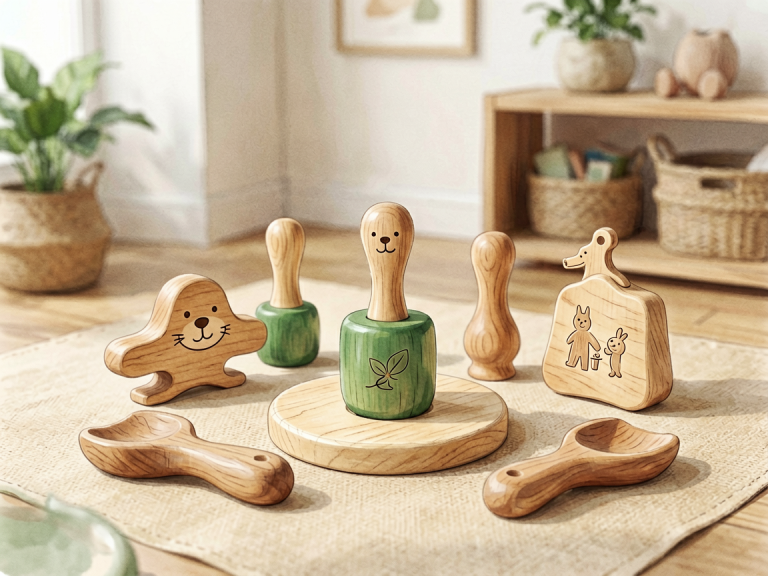
Screen-free toys encompass a vast universe: LEGO bricks, magnetic tiles, board games, puzzles, craft kits, science experiment sets, musical instruments, outdoor sports equipment, and simple dolls or action figures. For a nine-year-old, these toys offer something that no digital interface can replicate: the tactile, physical experience of manipulating real objects. When a child builds a bridge with wooden blocks, they learn about gravity, balance, and structural integrity through trial and error—not through a simulation. When they play a board game like Settlers of Catan or Chess, they practice strategic thinking, patience, and turn-taking in a social context.
Educational research consistently shows that open-ended play—play without predetermined outcomes—is crucial for developing executive function skills, including planning, flexibility, and self-regulation. A nine-year-old designing a marble run with foam tracks is not just having fun; they are engaging in engineering design, hypothesis testing, and iterative improvement. Similarly, art supplies like clay, paints, or sketchbooks allow for creative expression that is entirely child-driven, fostering a sense of agency and pride in personal accomplishment.
Screen-free toys also promote physical health and sensory integration. Whether it's riding a bicycle, playing catch, or building a fort from blankets and chairs, these activities involve gross motor skills, coordination, and spatial awareness. For a nine-year-old who may already spend hours in school sitting at a desk, physical play is essential for releasing energy, improving mood, and maintaining a healthy body. Moreover, collaborative screen-free play—such as group science experiments or team sports—teaches communication, conflict resolution, and how to celebrate collective success. These are life skills that no app can fully replicate.
Nevertheless, screen-free toys are not without limitations. They often require more parental involvement to set up, clean up, or explain rules. They can be messy, noisy, and less portable than a slim tablet. And in an age where digital literacy is expected, a child who avoids screens entirely might be at a social or academic disadvantage when classmates collaborate on online projects or use educational software. The key is not to choose one category over the other, but to understand how each contributes to development and to create a balanced ecosystem.
Balancing the Two: A Holistic Approach for Nine-Year-Olds
The most effective approach for a nine-year-old is not an either/or proposition but a thoughtful integration of both learning tablets and screen-free toys. The challenge lies in determining the right proportions and contexts. Research suggests that children aged 8–10 benefit most from screen time that is active, engaging, and co-viewed or co-played with an adult. A learning tablet can be a powerful tool when used for specific educational goals—such as mastering a math concept, practicing typing, or exploring a topic through a well-designed app. It becomes problematic when it replaces other forms of play, or when it is used as a passive babysitter.
One practical strategy is to establish clear screen-time limits: for example, no more than one to two hours of recreational or educational screen time per day, with the remainder of free time dedicated to screen-free activities. Parents can also curate a selection of high-quality apps that align with their child’s interests and learning needs, rather than allowing unlimited access to a store of games. For instance, a nine-year-old passionate about space might use a tablet to explore interactive models of the solar system, then build a rocket ship from cardboard boxes and LEGOs. This combination reinforces learning through multiple modalities.
Another important consideration is the social dimension. Screen-free toys often require or encourage cooperation—a board game with siblings, a collaborative art project with friends, or a team sport. Parents can schedule tech-free family time, such as game nights or outdoor adventures, to ensure that digital tools do not crowd out these essential interactions. At the same time, learning tablets can be used collaboratively: a child can show a parent a star chart app while looking at real stars, or work with a friend on a coding puzzle that requires discussion and teamwork. The tablet becomes a shared resource rather than an isolating device.
Practical Recommendations for Parents
To navigate this complex landscape, parents of nine-year-olds can adopt the following guidelines. First, prioritize variety. No single toy or device can meet all developmental needs. Rotate screen-free toys to maintain novelty and challenge: switch from building sets to science kits to board games over weeks or months. Similarly, refresh the tablet content periodically, removing apps that have become mindless and adding new ones that stretch the child’s skills.
Second, observe your child’s behavior. If a child becomes irritable, withdrawn, or obsessed after tablet use, it may be a sign that screen time needs to be reduced or restructured. Conversely, if a child shows little interest in creative or physical play, they might need more encouragement and modeling from adults. Parents should play alongside their children—whether building LEGOs or exploring a math app—to demonstrate that both types of play are valuable.
Third, remember that nine-year-olds are at a transitional stage. They are capable of more complex thinking but still need guidance. Use screen-free toys to teach patience and persistence (e.g., completing a 500-piece puzzle) and tablets to teach research skills (e.g., looking up facts for a school report). Encourage them to reflect on their play: “What did you learn from that game?” or “How would you change the design of your model?” This metacognitive practice deepens learning across all formats.
Finally, don’t fear boredom. In a world of endless digital stimulation, boredom can be a gift: it forces a child to invent, explore, and become resourceful. A nine-year-old who complains “I’m bored” and then builds a fort or writes a comic strip is engaging in the most valuable form of screen-free play—self-directed creativity. Learning tablets can enhance this, but they should never replace it.
Conclusion: The Power of Thoughtful Choice
The debate between learning tablets and screen-free toys for nine-year-olds is ultimately a false dichotomy. Both have profound strengths and potential drawbacks. The real challenge for parents is not to select one over the other, but to curate a rich, varied play ecosystem that reflects the child’s unique personality, developmental stage, and family values. A nine-year-old who can fluently use a digital tool for research and then turn off the screen to build a model airplane with hand and mind is a child being prepared for the complexities of the twenty-first century. By embracing the best of both worlds—the precision of technology and the open-ended wonder of hands-on play—we give children the tools they need to become adaptable, creative, and balanced individuals. The answer is not in the device itself, but in how we guide its use and how we fill the hours beyond its glow.