Choosing Toys for 4-Year-Olds: Why They Outgrow Them Fast and How to Make Smarter Choices
—
Introduction
Every parent knows the scene: you carefully select a toy that seems perfect for your four-year-old—bright colors, cute characters, maybe a few buttons that light up—only to have it discarded within days. The vibrant puzzle lies forgotten under the sofa; the themed playset collects dust in a corner. This phenomenon is so common that it has become a cliché of modern parenting: kids outgrow toys faster than we can buy them. But why does this happen so acutely at age four? And how can parents avoid wasting money on items that lose their appeal almost overnight? Understanding the developmental realities of a four-year-old is the first step. At this age, children are racing through cognitive, motor, and social milestones. A toy that challenges them one week may bore them the next. Worse, many toys marketed for “ages 3+” are actually designed for much younger abilities, or they lack the flexibility to grow with the child. This article explores the reasons behind rapid outgrowing, identifies common toy categories that fail the test of time, and offers practical strategies for choosing toys that will engage a four-year-old beyond the initial thrill. The goal is not to eliminate all short-lived toys—some momentary joy is fine—but to help parents make conscious, cost-effective choices that support real development.
—
The Rapid Developmental Changes at Age Four
Physical and motor growth
At four, children undergo significant gross and fine motor improvements. They can pedal a tricycle, cut with scissors, and string beads. However, within months, many will master these tasks and seek more complex challenges. A toy like a simple shape-sorter, which was perfect at three, becomes insultingly easy at four. Similarly, a basic wooden train track that only allows one configuration may be abandoned once the child figures it out. The speed of this motor development is astonishing: a four-year-old who struggles with a 12-piece puzzle in January may breeze through a 24-piece puzzle by March. Toys that lack adjustable difficulty are therefore doomed to be outgrown quickly.
Cognitive leaps
Cognitively, four-year-olds move from concrete, single-step thinking to early symbolic play and cause-effect reasoning. They begin to understand sequences, sorting by multiple attributes, and pretend scenarios with complex narratives. A toy that only offers a single action—like a pop-up toy with a button—holds no interest once the child has seen the cause and effect a few times. In contrast, open-ended toys like building blocks or art supplies allow children to create new challenges as their minds expand. The rapid shift in cognitive capacity means that “targeted” learning toys (e.g., a toy that specifically teaches letters) may be useful for only a few weeks before the child moves on to reading or writing. The key is that four-year-olds are not just growing; they are growing in leaps, leaving behind toys that fail to adapt.
Social and emotional evolution
Socially, four-year-olds start to play cooperatively, negotiate roles, and engage in imaginative group play. A single-player electronic toy that offers no interaction with peers will quickly lose its charm if the child wants to play with friends. Likewise, a toy that is too babyish—like a plush rattle—can embarrass a four-year-old who now sees themselves as “big.” Social comparison also intensifies: if a friend has a cooler, more challenging toy, the old one gets shelved. Emotional regulation develops, but patience remains limited; if a toy is too frustrating (e.g., a complex board game with many rules), it may be abandoned after one failed attempt. Balancing these factors is tricky, but ignoring them guarantees that the toy will be outgrown before the next birthday.
—
Common Toy Types That Are Quickly Outgrown
Character-licensed toys with limited play value
Toys emblazoned with popular movie or TV characters—think Paw Patrol figurines or Disney princess dolls—often have short lifespans. A four-year-old may beg for them, but once the novelty of the character wears off, the toy itself has no intrinsic play depth. The figurine just stands there; the plastic car has one function. These toys are essentially advertising products, not developmental tools. They are outgrown not because the child’s skills change but because the child’s interest in the franchise fades—sometimes within weeks. In contrast, a generic set of wooden animals or human figures can be reused in countless imaginary scenarios.
Single-function electronic toys
Battery-operated toys that sing, light up, or move on their own are especially prone to obsolescence. A four-year-old quickly learns the limited interactions: press a button, hear a song. Once the pattern is memorized, the toy becomes boring. Moreover, these toys often disable the child’s own creativity. The toy does the action; the child simply watches. At age four, children need to be active participants, not passive consumers. A talking globe that recites facts may be interesting for a day, but a simple globe that the child can spin and relate to a map holds deeper, longer engagement.
Early developmental toys (e.g., simple puzzles, lacing cards)
Many parents hold onto toys from the toddler years—stacking rings, simple shape sorters, large pegboards. While these were valuable at 18 months, by age four they are far too easy. A four-year-old can usually complete a 12-piece puzzle in minutes and find no challenge in lacing beads. Yet these toys linger in the playroom, taking up space and offering no stimulation. The child outgrows them not because of disinterest but because their skill level has surpassed the toy’s maximum difficulty. The solution is to rotate toys proactively and donate those outgrown, replacing them with more complex versions, such as 48-piece puzzles or threading activities with smaller beads.
Sets with predetermined outcomes
Many “craft kits” or “model sets” come with a fixed result: you must make one specific flower, one specific car. Once the child has completed the project, the toy has no replay value. Four-year-olds love process, not product. They would rather have a pile of colored paper and glue to make whatever they imagine than a kit that forces them to follow exact instructions. The same applies to construction sets that only build one design. Lego Duplo, by contrast, thrives because it allows endless reconfiguration. Any toy that offers a single, closed-ended activity is destined to be outgrown after a single use or two.
—
The Pitfalls of Age Recommendations and Marketing
How age labels mislead parents
Toy boxes often say “Ages 3+” or “Ages 4–6,” but these labels are based broadly on safety (e.g., choking hazards) rather than developmental appropriateness. A “3+” puzzle might be a simple 4-piece shape puzzle, which is far too easy for a typical four-year-old. Conversely, a “4+” board game might require reading, which most four-year-olds cannot do. Parents trust these labels and buy toys that are either too babyish or too advanced, leading to quick rejection. Marketing also plays tricks: bright packaging and endorsements from child development experts (often paid) create an illusion of educational value. The parent buys the toy expecting it to last for months, but the child outgrows it in days simply because the toy was never suited to that child’s actual abilities.
The “new toy” dopamine cycle
The toy industry relies on the dopamine rush of novelty. A four-year-old, with their developing prefrontal cortex, is highly susceptible to the allure of something new. Marketers design toys to be instantly gratifying: a button that makes a noise, a flashy light, a familiar character. But this same instant gratification creates a short attention span. The child quickly habituates to the stimulus and seeks the next new thing. Parents, in turn, feel pressured to keep buying. This cycle ensures that even well-made toys can be outgrown fast if they rely solely on novelty rather than deep engagement. Recognizing this trap helps parents choose toys that offer variable rewards—like a marble run where each configuration creates a different trajectory—rather than fixed, repetitive feedback.
False promises of “educational” toys
Many toys marketed as “educational” are little more than drill-like exercises dressed up as games. A handheld electronic game that quizzes a child on letters may teach the alphabet, but once the child knows it, the toy has nothing left to offer. True educational value comes from toys that teach *how* to think, not *what* to think: building sets encourage problem-solving; art supplies encourage creativity; puzzles encourage logic. These toys do not become obsolete because the child can continually use them in new ways. Parents need to look past the “STEM” or “brain-building” label and ask: can this toy be used for multiple purposes over time? If the answer is no, it will probably be outgrown quickly.
—
Strategies for Choosing Long-Lasting Toys
Prioritize open-ended play
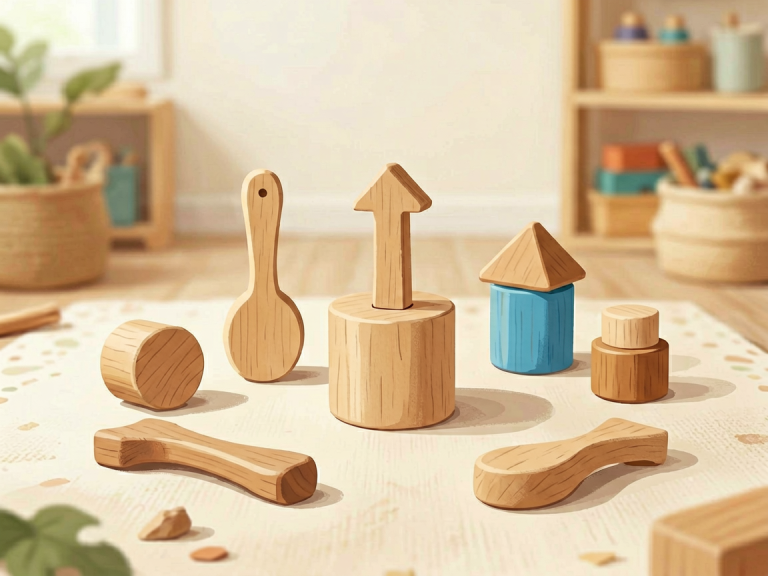
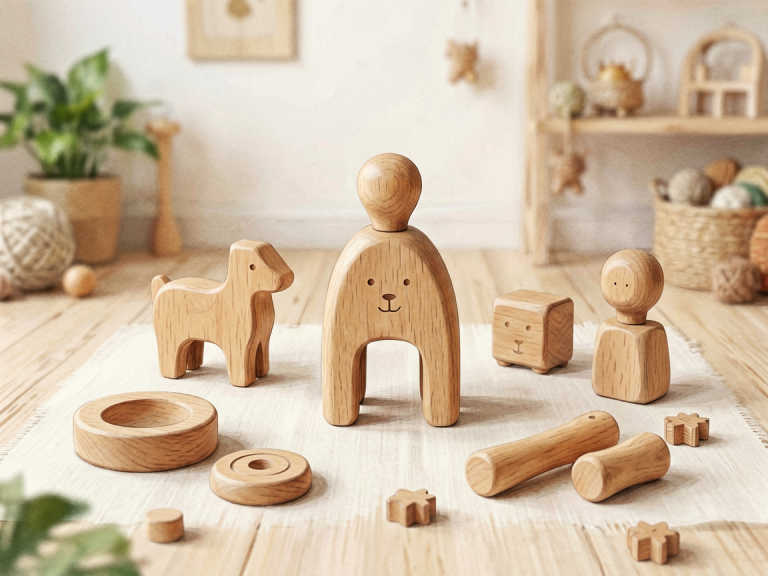
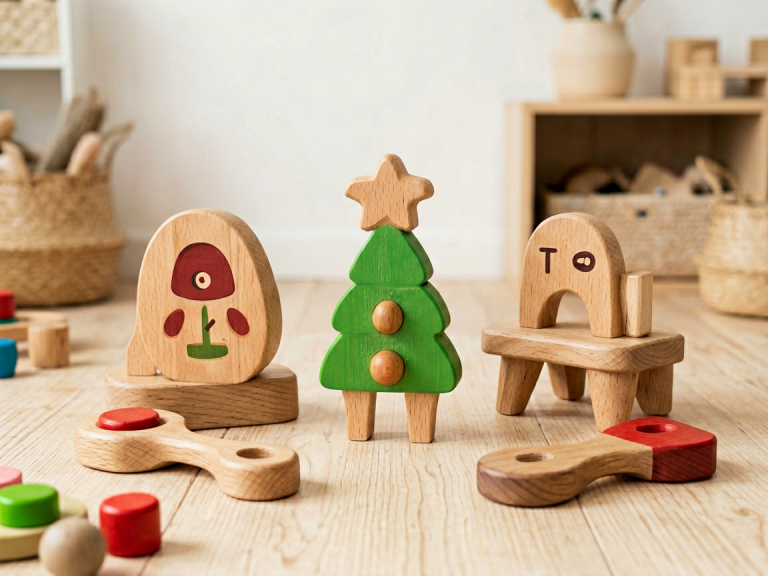
Open-ended toys—items with no single right way to use them—are the best investment for a four-year-old. Classic examples include wooden blocks, magnetic tiles, play dough, crayons and paper, dollhouses with generic furniture, and simple animal figurines. These toys allow the child to impose their own imagination. A set of wooden blocks can be a castle one day, a spaceship the next, and a bridge the day after. The child never “finishes” the toy; they simply invent new scenarios. The same is true of art supplies: they are never outgrown because the child’s skills improve, and the creations become more sophisticated. These toys grow with the child, adapting to their changing cognitive and motor abilities.
Choose toys that offer scalability
Look for toys that can be made easier or harder. For instance, a set of magnetic building tiles can be used to make simple 2D shapes at age four and complex 3D structures at age six. A marble run can be built with fewer pieces for a beginner or with loops and tunnels for an expert. Puzzles come in various piece counts; buying a set with multiple difficulty levels (e.g., a mixed set of 12, 24, and 48-piece puzzles) extends the life. Board games with variable rules—like dice games where you can adjust the scoring—also stay relevant. Scalability means the toy is not outgrown; the child simply moves to the next level of challenge within the same toy.
Incorporate real-world tools and materials
Four-year-olds are fascinated by adult activities. Giving them child-sized real tools—a small watering can, a simple kitchen set with real utensils (safe), a child-sized broom, or a garden trowel—can engage them for years. These “real-world” toys are not static; the child’s role-playing evolves as they understand more about adult life. A play kitchen bought at age four can still be used at age six, but the play will shift from simple stirring to complex meal preparation scenarios. Similarly, a set of child-safe screwdrivers and wood pieces encourages fine motor skills and stays interesting as the child learns to build actual objects.
Focus on process over product
Avoid toys that have a fixed endpoint. Instead, choose materials that emphasize the process of creating: a box of recycled items (toilet rolls, cardboard boxes, tape) becomes a limitless resource for building. A set of watercolors and thick paper encourages experimentation. Play sand or kinetic sand with scoops and molds offers sensory exploration that never gets old. These toys do not produce a single “finished” item that the child can outgrow; they produce an ever-changing experience. Even a simple set of interlocking gears can be reassembled in infinite ways, keeping the child’s interest alive.
Consider social and cooperative play
Toys that require two or more players extend their lifespan because they tap into the child’s growing social needs. Simple board games like “Candy Land” or cooperative games like “Hoot Owl Hoot” allow a four-year-old to play with siblings or parents. As the child matures, the same game can be played with more strategy. Outdoor toys like a large ball, a parachute, or a simple swing set also encourage social play. These toys do not become boring because the interaction with others changes each time. A child may outgrow a solo toy quickly, but a toy that facilitates connection with people remains valuable.
—
The Role of Interests and Individual Differences
Observing your child’s unique passions
No two four-year-olds are alike. One may be fascinated by dinosaurs for months; another may lose interest in them after a week. A toy that perfectly matches a child’s current obsession can have a long lifespan, but only if the parent buys the right type. For a dinosaur lover, a set of realistic dinosaur figures (open-ended) is better than a single dinosaur-shaped puzzle. When the obsession shifts to space, those same figures can be repurposed as aliens. The key is to recognize that intense interests at age four can change rapidly. Therefore, investing in a *collection* of open-ended items that can be reinterpreted (such as small figurines, building blocks, or craft supplies) is safer than buying a single themed playset.
Avoiding overstimulation and choice overload
Sometimes children outgrow toys because they have too many. When a playroom is overflowing, no toy gets deep engagement. A four-year-old may flit from one toy to the next, never fully exploring any of them. The solution is not to buy more, but to rotate toys. Put away half of the toys and bring them out in a month; they will feel new again. This strategy slows down the perceived outgrowing because the child rediscovers a toy after a break. Additionally, fewer choices help the child focus and develop more creative play. The toy itself may not be poor; the environment makes it seem outgrown.
Accepting that some outgrowing is inevitable
Even with the best choices, four-year-olds will outgrow some toys. This is normal and healthy—it signals growth. The goal is not to eliminate all short-term toys but to minimize waste. A small budget of “disposable” toys (like a cheap bubble machine or a themed set from a fast-food meal) can satisfy the craving for novelty without guilt. The majority of the toy budget, however, should go toward open-ended, high-quality items that will last for years. Parents can also embrace the second-hand market: buying used toys that others have outgrown reduces cost and environmental impact. When the child outgrows them, pass them on to another family.
—
Practical Tips for Parents
Tip 1: Test before you buy big
Before investing in an expensive toy, try to borrow it from a friend or library. Let the child play with it for a few sessions. If they lose interest after one hour, it is likely they will outgrow it fast. If they keep returning to it, you have found a winner.
Tip 2: Follow the “three-use rule”
After buying a new toy, observe whether the child plays with it on three separate occasions (not necessarily three consecutive days). If after three uses the toy is untouched again, it is probably not worth keeping. Donate it or sell it quickly before it becomes clutter.
Tip 3: Combine toys for extended play
A single set of magnetic tiles might be okay, but combine it with wooden blocks and animal figures, and the play possibilities multiply. By mixing and matching, you extend the life of each individual toy. Encourage your child to use toys together— for example, using play dough to make food for the toy animals.
Tip 4: Resist the lure of “age-appropriate” flash sales
Many parents are swayed by holiday sales or flash deals on toys labeled for 4-year-olds. Pause before clicking “buy.” Ask yourself: does this toy have replay value? Could a box of cardboard tubes and tape do the same thing for free? If the answer is yes, save your money.
Tip 5: Embrace DIY and nature
Some of the best toys are free: sticks, stones, leaves, water, sand. A four-year-old can spend an hour filling a bucket with pebbles or making mud pies. These natural, unstructured play materials are never outgrown—they simply change as the child’s imagination grows. Incorporate them into your outdoor playtime.
—
Conclusion
Choosing toys for four-year-olds is a delicate balance between embracing their rapid development and avoiding the frustration of short-lived purchases. The truth is that children at this age are transforming so quickly that some toys will inevitably be outgrown in weeks. However, by understanding the reasons—motor leaps, cognitive expansion, social evolution, and marketing traps—parents can make informed decisions. Prioritizing open-ended, scalable, process-oriented, and socially engaging toys will maximize play value and reduce waste. At the same time, parents should accept that it is okay for some toys to be temporary; the key is to invest the bulk of the budget in items that grow with the child. With thoughtful selection, observation