The Ultimate Toy Buying Checklist for 2-Year-Olds: What to Look For and What to Avoid
Choosing toys for a two-year-old is both an exciting and daunting task. At this age, children are no longer infants, but they are not yet preschoolers. They are curious, mobile, and rapidly developing language, motor, and social skills. The right toys can spark imagination, build confidence, and support critical developmental milestones. The wrong ones can frustrate, overstimulate, or even pose safety hazards. This comprehensive checklist will guide parents, grandparents, and gift-givers through every important consideration when selecting toys for a two-year-old, ensuring that every purchase is both enjoyable and beneficial.
Safety First: Non-Negotiable Rules
Before considering educational value or entertainment factor, safety must be the top priority. Two-year-olds explore the world with their hands and mouths, so every toy must pass strict scrutiny.
Check for Choking Hazards
Any small part that can fit inside a standard toilet paper tube (about 1.25 inches in diameter and 2.25 inches in length) is a potential choking hazard. Look for toys with no detachable small pieces, loose buttons, or tiny accessories. Avoid toys with beads, small puzzle pieces, or figurines that are smaller than the child's fist. Even seemingly harmless items like squeakers inside squeeze toys can become detached, so inspect all components carefully.
Ensure Non-Toxic Materials
At two years old, mouthing objects is still common. Toys must be made from non-toxic, BPA-free plastics, lead-free paint, and food-grade silicone or natural wood. Look for labels that certify safety standards, such as ASTM (American Society for Testing and Materials) or CE marks. Avoid toys with a strong chemical smell, and be wary of cheap, unknown brands that may not adhere to strict regulations.
Verify Durability Against Breakage
Two-year-olds are not gentle. They drop, throw, step on, and even bite their toys. A toy that cracks easily may create sharp edges or release small internal components. Choose toys made from solid wood, sturdy molded plastic, or thick, reinforced fabric. Avoid toys with thin plastic shells or those that are assembled with staples, which can become exposed.
Watch for Strings, Cords, and Ribbons
Long cords can pose a strangulation hazard. Any string longer than 12 inches is dangerous for a toddler. This includes pull toys with strings, masks, or toys with hanging loops. If a toy comes with a cord, consider removing it or replacing it with a short, thick handle. Also, check for any loops that could catch around a child's neck.
Inspect for Sharp Edges and Points
Run your fingers along every edge of the toy. Wooden toys should be smooth and splinter-free. Plastic toys should have rounded corners and no burrs. Avoid toys with any exposed metal, sharp points, or rough surfaces. Also, ensure that hinges or moving parts are finger-safe and do not pinch.
Developmental Appropriateness: Matching the Toy to the Child’s Growing Mind
A good toy for a two-year-old must align with their current cognitive, physical, and emotional capabilities. It should challenge them just enough to keep them engaged but not so much that they become discouraged.
Support Gross Motor Skills
Two-year-olds are refining their ability to run, jump, climb, and balance. Toys that encourage these movements are ideal. Riding toys without pedals (like balance bikes), small push carts, soft balls of various sizes, and low climbing structures help strengthen muscles and improve coordination. Look for toys that allow active play, not just passive watching.
Encourage Fine Motor Development
At this age, children are learning to manipulate small objects with increasing precision. Toys that involve stacking, sorting, threading, and squeezing are excellent. Building blocks (larger size), shape sorters, pegboards with big pegs, chunky puzzles with knobs, and lacing beads with thick plastic needles all promote fine motor control. Avoid toys that require extreme finger dexterity, such as tiny Lego bricks, which are better suited for older children.
Foster Language and Vocabulary Growth
Two-year-olds are language sponges, learning several new words each day. Toys that encourage naming, describing, and conversation are beneficial. Picture books with simple, colorful images, animal figurines, toy telephones, and puppets all stimulate language development. Sound books that play words or animal noises are also excellent. Avoid toys that only play loud, repetitive electronic phrases; these do not promote back-and-forth communication.
Promote Cognitive and Problem-Solving Skills
Toddlers are natural problem solvers. Toys that require simple cause-and-effect or matching are perfect. Basic shape sorters, simple wooden puzzles (4-8 pieces), nesting cups, and objects that fit together or separate help develop logical thinking. Also, toys that allow pretend play, such as play kitchens, tool sets, or dollhouses, encourage symbolic thinking and narrative building. Avoid toys with one single function; open-ended toys are far more valuable.
Support Social and Emotional Development
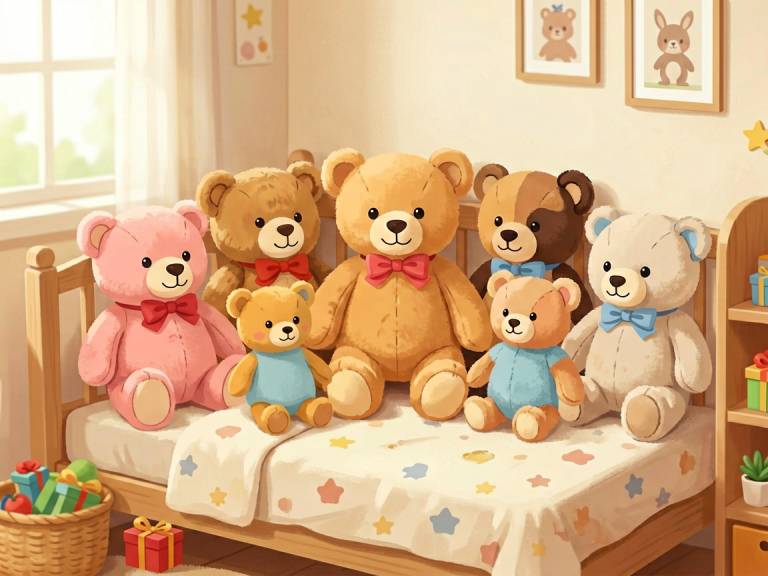
While two-year-olds play alongside other children (parallel play) rather than cooperatively, they are learning about emotions, sharing, and roles. Toys that facilitate imitation, such as baby dolls, stuffed animals, dress-up clothes, and play food, help them process their daily experiences. A simple set of plastic dishes or a mini broom allows them to mimic adult behavior, which builds empathy and self-understanding. Avoid overly competitive games or toys with a right or wrong answer that might cause frustration.
The Art of Choosing the Right Toy Types
Not all toys are created equal. Certain categories of toys are particularly well suited for two-year-olds. Here is a breakdown of the best options.
Building and Construction Toys
Large, lightweight blocks (wooden or foam), magnetic tiles, and interlocking brick sets designed for toddlers are wonderful. They allow open-ended creativity and teach basic physics (stacking, balancing, and collapsing). Look for sets that are easy to grasp and fit together with minimal effort.
Creative Arts and Sensory Play
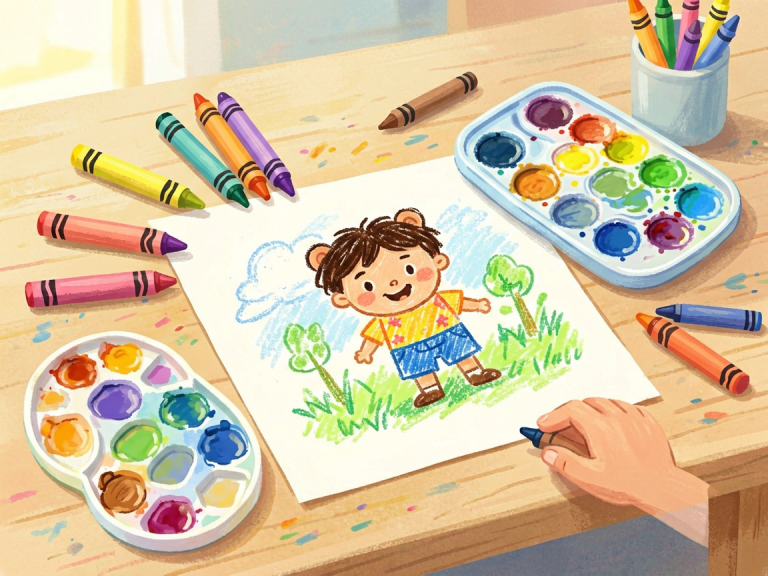
Play-doh (non-toxic and edible if necessary), chunky crayons, washable markers, finger paints, and large sheets of paper provide endless sensory exploration. Sensory bins filled with kinetic sand, rice, or water (with adult supervision) are also fantastic. These toys strengthen hand muscles, encourage imagination, and provide calming sensory input. Always choose non-toxic, washable materials and avoid anything with small craft pieces.
Musical Instruments
Simple instruments like maracas, tambourines, xylophones, drums, and egg shakers introduce rhythm and sound discrimination. They help with auditory processing and gross motor coordination. Look for durable, well-made instruments that produce pleasant sounds, not harsh or ear-piercing ones. Avoid mini keyboards or electronic devices that only play pre-recorded tunes; real instruments are more engaging.
Vehicles and Figurines
Push-and-pull vehicles, cars with large wheels, and sturdy animal or people figurines are timeless favorites. They encourage storytelling and role-play. Choose vehicles that are chunky and cannot be easily swallowed. Also, consider a toy garage or a farm with animals that attach and detach to enhance play value.
Board Books and Interactive Reads
Books are essential. Thick cardboard books with flaps, textures, or sound buttons captivate toddlers. Look for books with simple rhymes, repetitive text, and bright, contrasting illustrations. Books about daily routines (mealtime, bedtime, potty training) help toddlers navigate their world. Avoid books with thin paper pages that are easily torn, which can lead to frustration.
Quality and Durability: The Long-Term Value
Buying a toy that falls apart after a week is not just wasteful; it is dangerous. Quality is a key component of a good toy purchase.
Examine Construction and Materials
Solid wood toys, when painted with non-toxic finishes, are extremely durable and often become heirloom pieces. Treated canvas and heavy-duty plastic are also good choices. Avoid toys made from flimsy plastic that can crack on impact. Check seams on fabric toys to ensure they are double-stitched and will not rip open, exposing stuffing.
Look for Timelessness over Trends
Many toys based on movie characters or trending shows are poor quality and lose appeal quickly. Instead, choose classic toys that encourage creativity and have been loved by generations: wooden blocks, stacking rings, basic puzzles, and simple tool sets. These toys grow with the child and remain interesting for years.
Consider Ease of Cleaning
Two-year-olds are messy. Toys will end up in mouths, dropped on floors, and covered in food. Can the toy be wiped down or thrown in the washing machine? Avoid intricate toys with many crevices that trap dirt and cannot be sanitized properly. Wooden toys should have a sealed finish to be wipeable. Plush toys should be machine-washable.
Beware of Overstimulation: Less Is More
In today's toy aisles, countless flashing, beeping, singing plastic gadgets scream for attention. But research shows that these electronic toys often provide too much stimulation and do little to foster creativity or deep play. In fact, they can shorten attention spans and reduce problem-solving opportunities.
Choose Quiet Toys
Toys that do not make noise by themselves allow a child to create their own sounds and stories. A set of wooden blocks is far more beneficial than an electronic talking playhouse. Quiet toys encourage focus, imagination, and inner language development. If you do choose a toy with lights and sounds, ensure it has an off switch and a volume control.
Open-Ended Toys Multiply Play Possibilities
The best toys are the ones that can be used in many ways. A simple cardboard box can become a car, a house, or a tunnel. A set of large scarves can be capes, blankets, or dance props. Open-ended toys adapt to a child's current stage of development, providing value for months or even years. Look for toys that have no single "correct" use.
Practical Considerations: Cost, Space, and Parental Sanity
Beyond child development, there are practical aspects of toy buying that deserve attention.
Budget Wisely — Price Does Not Equal Quality
Some of the best toys are free or homemade: empty containers, wooden spoons, fabric scraps, and cardboard boxes. You do not need to spend a fortune. However, for manufactured toys, sometimes a higher price reflects better materials and safety testing. A moderate price range with reputable brands is usually a safe bet.
Factor in Storage Space
Toys accumulate quickly. Before purchasing, think about where the toy will live in your home. Does it require a large footprint? Can it be easily stored on a shelf or in a bin? Avoid single-purpose large items like giant play kitchens or child-sized vehicles that will clutter a room. Choose toys that stack or nest.
Respect the Child’s Current Interests
Every two-year-old has distinct preferences. Some love animals, while others are obsessed with vehicles or music. Pay attention to the child's behavior and passions. A toy that aligns with their existing interests will be engaged with more deeply. Do not impose your own nostalgia; a toy you loved as a child might not resonate with your toddler.
Involve the Child in the Choice (Within Limits)
While you cannot bring a two-year-old to the store and ask them to weigh developmental benefits, you can observe them. Let them touch and explore toys. If a toy immediately holds their attention and invites interaction, it is a good sign. If a toy is too complicated or too simplistic, they will likely lose interest quickly.
The Final Checklist: A Quick Recap for Smart Shopping
When you are in the store or scrolling online, keep this checklist in mind:
- Safety: Are there small parts, sharp edges, cords, or toxic materials? Is it durable enough to withstand rough play?
- Age and Stage: Does it support gross motor, fine motor, language, and cognitive skills appropriate for a 2-year-old?
- Engagement: Will it nurture open-ended, creative play? Or is it just a one-trick electronic gadget?
- Quality: Does it use safe, robust materials? Is it easy to clean and likely to last?
- Space and Value: Does it fit your home and budget? Will it remain interesting beyond the first week?
- Joy Factor: Will this toy bring true delight? Does it match the child’s personality and current fascinations?
Remember, a two-year-old does not need a mountain of toys. They need a curated selection of high-quality, developmentally appropriate, and safe items that invite exploration. In fact, an overloaded toy box can overwhelm a toddler, leading to scattered attention and less meaningful play. Sometimes, the best approach is to rotate toys every few weeks, presenting them again as new treasures. This prolongs the life of every toy and keeps your toddler curious and engaged without constant purchases.
Ultimately, the greatest "toy" for a two-year-old is you — a caring adult who plays alongside them, names the objects they touch, cheers for their block towers, and reads them the same book seventeen times if they ask. Toys are simply the tools that make that shared play possible. So when you buy your next gift, do not stress over perfection. Use this checklist, ease your mind, and then sit down on the floor to play. That is the moment where the real magic happens.
By following this toy buying checklist for 2-year-olds, you will not only avoid clutter, wasted money, and potential hazards, but you will also become a more confident and thoughtful gift-giver. Your toddler will benefit from toys that respect their developing mind and body, and you will enjoy the rewarding experience of watching them learn, grow, and play with pure, unbridled joy. Happy toy hunting!