Toy Box Treasures: Smart, Safe, and Growth-Boosting Toys for Two-Year-Olds
Walking into a toy store with a two-year-old in mind can feel overwhelming. Bright colors flash from every shelf, cartoon characters shout for attention, and well-meaning friends insist that this year’s “must-have” gadget will transform your child into a genius. But research on early childhood development tells a simpler, more reassuring story: two-year-olds do not need crowded shelves or expensive electronics. Instead, they need toys that invite exploration, encourage movement, spark pretending, and fit squarely within their emerging physical and cognitive abilities. The right toys for a two-year-old are not the loudest or the most advertised; they are the ones that let a toddler take the lead, test ideas, and practice skills that will serve them for years to come. This guide breaks down the categories of toys that matter most, explains why they work, and offers practical safety advice, so parents can shop with confidence and keep young minds deeply engaged.
Why the Right Toys Matter More Than Ever at Age Two
At age two, a child is no longer a baby but not yet a preschooler. This in-between stage is marked by a rapid burst of language, imagination, and physical confidence. A two-year-old can walk steadily, climb onto low furniture, throw a ball, stack blocks, and speak in short phrases. They are also learning to manage big emotions, negotiate with caregivers, and understand that other people have feelings. Toys are not just entertainment for this age; they are the tools through which toddlers make sense of the world. A good toy needs to match the child’s current “zone of development” — challenging enough to be interesting, but not so hard that it causes frustration. When a toy fits well, a toddler experiences a state of focused play, which builds attention span, problem-solving skills, and self-esteem. Conversely, toys that are too passive, such as most screen-based devices, offer little opportunity for active thinking or physical practice. Overstimulating toys with flashing lights and repetitive sounds may even reduce creative play by telling the child what to do instead of letting the child decide. Thus, selecting toys thoughtfully is a quiet but powerful way to support healthy development during this critical year.
The Core Categories of High-Quality Toys for Two-Year-Olds
Building and Construction Toys That Teach Spatial Thinking
Blocks, magnetic tiles, and large interlocking bricks are the undisputed champions of toddler play. When a two-year-old stacks wooden blocks into a tower and then gleefully knocks it down, they are not just making noise; they are learning about gravity, balance, cause and effect, and geometry. Construction toys also strengthen fine motor skills and hand-eye coordination as small fingers grip, align, and release pieces. Choose sets with chunky pieces that are easy to grasp and safe to mouth. A good starter set might include 20 to 30 unit blocks, a few shapes, and a stable base. Avoid sets with many tiny connectors or magnets that can be swallowed. The beauty of building toys is their open-ended nature: today the blocks may be a house, tomorrow a bridge, next week a spaceship. This flexibility fuels a two-year-old’s growing imagination and encourages them to think like an inventor.
Simple Puzzles and Shape Sorting for Problem Solving
Puzzles with large wooden knobs, peg boards, and shape sorters are perfect for two-year-olds because they require a child to notice differences in size, shape, and color while manipulating objects into specific spaces. This process builds visual discrimination, logical thinking, and memory. When a toddler tries to fit a square peg into a round hole and fails, they experience the very essence of scientific inquiry: hypothesis, trial, error, and adjustment. Over time, they learn to compare and classify, skills that underpin early math and reading. Start with puzzles that have three to five pieces, each representing familiar objects like animals or vehicles. Always inspect pieces for sharp edges or splinters, and make sure the pegs are large enough that a child cannot choke on them. Rotating puzzles every few weeks keeps the challenge fresh without overwhelming the child.
Pretend Play Toys That Grow Empathy and Language
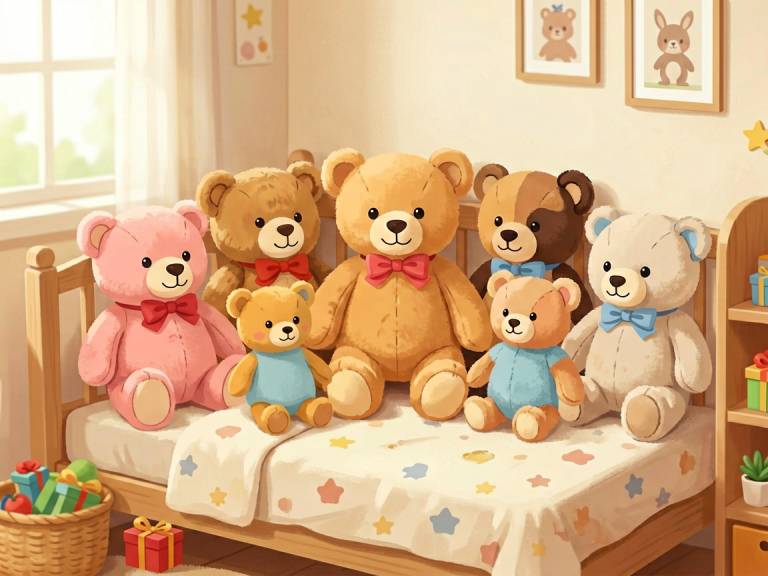
Between two and three years old, children begin to engage in symbolic play — the magical ability to pretend that a block is a phone or that a stuffed bear is a baby who needs a nap. Pretend play toys support this leap by giving toddlers props to act out roles they observe in daily life. Toy kitchens, tool benches, baby dolls, dress-up clothes, and plastic food are all wonderful choices. Equally valuable are simple household items like empty boxes, wooden spoons, and old hats; these allow a child to create their own props rather than passively accept a manufactured one. Through pretend play, a two-year-old practices vocabulary, social scripts, and emotional regulation. They might comfort a doll, scold a toy dog, or serve you a delicious invisible cake. These moments are not merely cute; they are the foundations of empathy and cooperation. When buying pretend toys, look for sturdy, washable materials and avoid elaborate sets that require batteries, as those often limit the child’s story-making power.
Arts and Crafts Supplies for Sensory Exploration and Fine Motor Growth
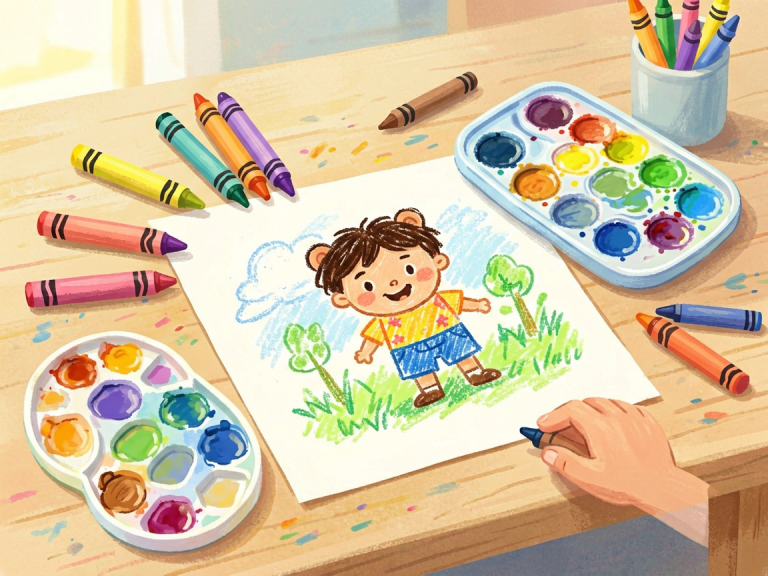
A two-year-old’s artistic journey is all about process, not product. Crayons, washable markers, finger paints, play dough, stickers, and large sheets of paper offer rich sensory experiences and build the small muscles in hands and fingers needed later for writing. Drawing with a chunky crayon helps a child learn to grip, control pressure, and make intentional marks. Squishing and rolling play dough strengthens hand strength and releases tension. Using a glue stick to stick bits of paper teaches coordination and planning. These activities also nurture creativity and focus. For safety, choose non-toxic, washable materials that are labeled “safe for ages 2+,” and supervise painting and play dough sessions to prevent edible activities. The goal is not to create a masterpiece but to let the child explore cause and effect, color mixing, and texture without fear of making a mess.
Music and Motion Toys That Channel Natural Energy
Two-year-olds are almost constantly in motion, and they crave sensory input. Simple musical instruments — such as maracas, drums, bells, and xylophones — allow a child to experiment with rhythm, volume, and cause and effect. Dancing to music with caregivers builds body awareness, balance, and gross motor skills. Similarly, push-and-pull toys, ride-on toys with no pedals, and large soft balls encourage running, climbing, kicking, and throwing. These gross motor activities are not just burning off energy; they are developing the large muscle groups and coordination needed for future sports and even for sitting upright at a desk. For toddlers, the best motion toys are sturdy and low to the ground. A classic wooden pull toy on a string, for example, teaches about balance and trajectory as the child walks backward and watches the toy follow. Always choose ride-on toys with a wide base to prevent tipping, and make sure any strings are short enough to avoid becoming a strangulation hazard.
Choosing Toys That Respect a Two-Year-Old’s Growing Independence
At two, a toddler’s favorite word may be “no,” but what they really want is control. Toys that let them make choices and do things by themselves are therefore especially valuable. Look for toys with clear, simple actions: a mailbox toy where a child drops a letter and opens a door, a toy vacuum that mimics an adult’s cleaning, or a set of plastic vegetables that can be “cut” with a wooden knife. These toys support the developmental drive for autonomy and competence. Also consider the social aspect: two-year-olds often play alongside peers rather than with them, so toys like multiple pairs of shakers or a set of stacking cups that two children can share help build early social skills. Having duplicates of favorite toys during playdates can reduce conflicts and teach the beginnings of turn-taking.
Safety First: What Every Parent Should Check Before Buying
No matter how educational or exciting a toy looks, safety must always come first for a two-year-old. At this age, children still explore by putting things in their mouths, and their windpipes are very small. The cardinal rule is to avoid any toy or detachable part that fits inside a standard toilet paper roll, as this indicates a choking hazard. Inspect toys for loose parts, broken pieces, and sharp edges. Avoid small magnets, button batteries, and anything with long cords. Look for labels certifying that the toy meets safety standards, such as CE or ASTM marks. Choose non-toxic, BPA-free plastics, and wash cloth toys regularly. Also think about the play space: heavy furniture or tall toy shelves can tip over, so anchor them to the wall. Rotate toys to keep the floor clutter-free, since a cluttered play area is not only overwhelming for a toddler but also increases the risk of tripping. Finally, remember that the most important “toy” in a two-year-old’s life is an attentive parent. A cardboard box shared with a sitting adult can be more valuable than a hundred fancy gadgets.
What Not to Buy: Avoiding the Traps of the Toy Industry
Some toys are actively frustrating for two-year-olds. Avoid anything with very small pieces, such as classic Lego bricks meant for ages 5 and up; these are choking hazards. Steer clear of “educational” tablets and apps, despite their marketing, because screen time at age two has been linked to language delays and reduced physical play. Also avoid toys with scary sounds, sudden jumps, or complex instructions that demand a level of symbolic understanding beyond this age. Toys that simply repeat phrases or flash lights may entertain for two minutes, but they often dull a child’s capacity for sustained, self-directed play. Be cautious with novelty toys tied to popular movies; they tend to be cheaply made and limit creativity because the child is only allowed to re-enact one story. Instead, pay for quality. A well-built wooden toy may cost more upfront, but it can be passed down to siblings, repaired, and treasured for years.
Final Thoughts: Let Play Be the Teacher
The perfect toy for a two-year-old is not a product that will make the child smarter by itself. It is an invitation — an invitation to build, imagine, question, fall, try again, and laugh. When parents choose toys with intention, they are creating a responsive environment that honors a toddler’s natural curiosity. A set of stacking cups, a handful of smooth wooden blocks, a basket of dress-up hats, a drum, and a soft ball will provide infinitely more developmental value than a battery-powered, screen-filled “smart toy.” The best play often looks simple: a child banging two pots together, lining up toy animals, pretending to feed a doll, or covering a page with scribbles. These moments are not ordinary; they are the visible work of a growing brain. So next time you reach for a gift or browse a store, remember that you are not just buying a toy. You are buying a scaffold for a building mind, a partner for a curious explorer, and a doorway into a world that the two-year-old is just beginning to call their own.