Too Many Pieces: Why Buying Complex Toys for 5-Year-Olds Can Backfire
—
Introduction
Walking into a toy store, parents are often lured by brightly colored boxes promising endless creativity, educational value, and hours of independent play. Among these, toys with dozens—sometimes hundreds—of tiny pieces seem irresistible. They appear to offer a bargain: more parts mean more possibilities. But when the recipient is a five-year-old, this logic often breaks down. At age five, children are in a critical developmental window, and the toys they interact with can profoundly shape their cognitive, emotional, and social growth. While some complexity is beneficial, buying toys with too many pieces for a five-year-old can lead to frustration, mess, and missed opportunities for meaningful play. This article explores why such purchases may be counterproductive and offers guidance for choosing age-appropriate alternatives.
—
The Developmental Stage of a 5-Year-Old
At five, children typically possess fine motor skills that allow them to manipulate small objects, but their attention spans remain limited. According to child development experts, sustained focus for a five-year-old usually lasts between 10 and 20 minutes, depending on interest and fatigue. A toy requiring 45 minutes of assembly or sorting—especially one with dozens of indistinguishable pieces—quickly exceeds this window. Furthermore, five-year-olds are still mastering cause-and-effect reasoning, sequencing, and problem-solving. They can follow two- or three-step instructions, but multi-step processes with branching possibilities overwhelm their working memory.
Emotionally, five-year-olds crave mastery and autonomy. They thrive when they can achieve a clear, tangible result, such as stacking blocks into a tower or completing a simple puzzle. A toy that demands adult intervention every few minutes undermines this sense of accomplishment. Instead of fostering independence, it triggers dependency and frustration. Socially, many five-year-olds are transitioning from parallel play to cooperative play with peers. Toys with too many pieces often become solitary activities—a child who cannot manage the pieces alone may simply abandon the toy, while a group of children may struggle with sharing and conflict over parts.
—
The Pitfalls of Overly Complex Toys
Overwhelm and Decision Fatigue
A common mistake is assuming that more pieces equal more creativity. In reality, an excessive number of small components can paralyze a child’s decision-making. For example, a construction set with 200 plastic bricks, wheels, connectors, and decorative elements may leave a five-year-old staring blankly at the pile. Without a clear starting point or a simple goal, the child may become anxious or lose interest before even beginning. This phenomenon, sometimes called the “paradox of choice,” is well documented in adults but is even more pronounced in young children, whose executive functions are still developing.
Mess Management Becomes a Burden
Parents often underestimate the chaos that hundreds of tiny pieces can unleash. Five-year-olds are not naturally tidy; they scatter pieces across rooms, under furniture, and into the depths of toy bins. The resulting clutter not only stresses parents but also creates a negative association with the toy. When cleanup takes longer than playtime, children learn that the toy is more trouble than fun. Moreover, lost pieces render the toy incomplete, which a five-year-old may perceive as a personal failure. The frustration of missing a crucial part can derail the entire play session.
Safety and Choking Hazards
Although most toys for five-year-olds are legally required to avoid small parts, many “advanced” sets include components that are borderline—beads, tiny screws, or miniature figures. A five-year-old’s curiosity about putting objects in the mouth or nose has not entirely disappeared. Even if a child does not choke, the risk of swallowing a small piece invites anxiety for parents and disrupts play. Furthermore, sharp edges or fragile plastic pieces on complex toys can break, creating potential hazards that a younger child may not recognize.
—
The Hidden Costs: Frustration and Loss of Interest
Perhaps the most damaging consequence of a too-complex toy is the emotional toll it takes on the child’s confidence. When a five-year-old struggles to assemble a model or sort pieces correctly, repeated failure can lead to tantrums, tears, or a complete withdrawal from the activity. Over time, the child may internalize a belief that they are “not good at” building, puzzles, or creative play—labels that can persist into later childhood.
Additionally, many parents invest in these toys hoping they will grow with the child, offering years of use. In practice, the opposite often happens: the toy is too difficult at age five, and by age seven or eight, the child has outgrown the novelty and prefers more sophisticated electronics or sports. The expensive toy sits unused, gathering dust, while the child’s developmental needs remain unmet.
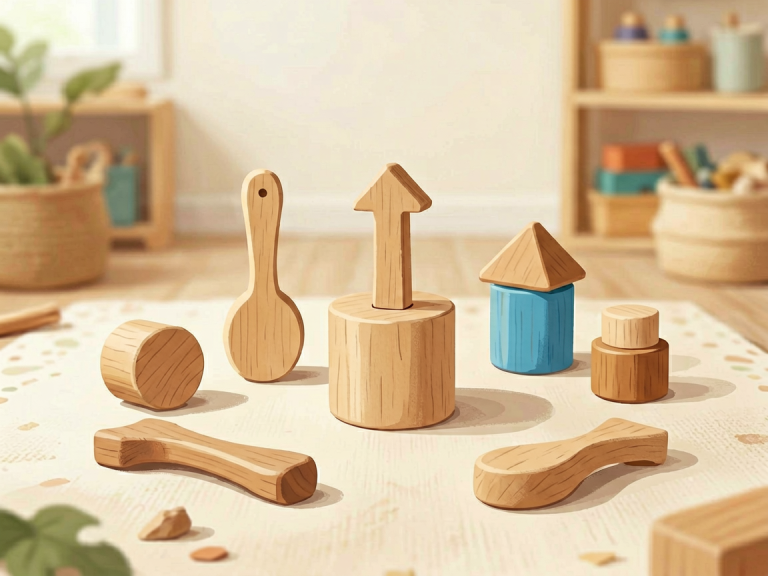
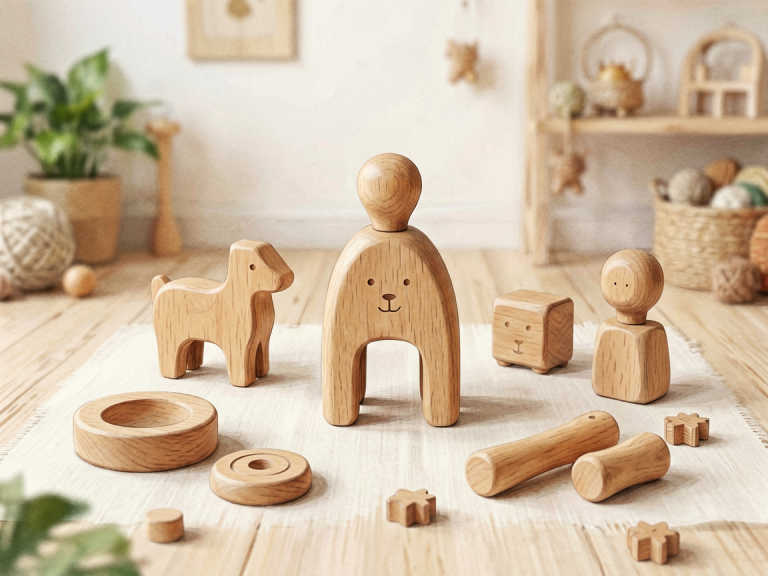
Another subtle cost is the missed opportunity for imaginative play. Toys with too many pieces often come with rigid instructions: build a specific spaceship, a precise castle, or a defined robot. While following instructions is valuable, five-year-olds benefit more from open-ended play that allows them to invent their own narratives. A small pile of simple wooden blocks can become a farm, a castle, or a rocket ship as the child’s imagination dictates. A complex Lego set with a fixed design may stifle that creativity, turning play into a chore.
—
What to Look for Instead: Age-Appropriate Toys
Choosing the right toy for a five-year-old does not mean avoiding all complexity, but rather selecting toys that match the child’s current abilities and spark positive engagement. Here are key criteria:
Limited Piece Count with Clear Purpose
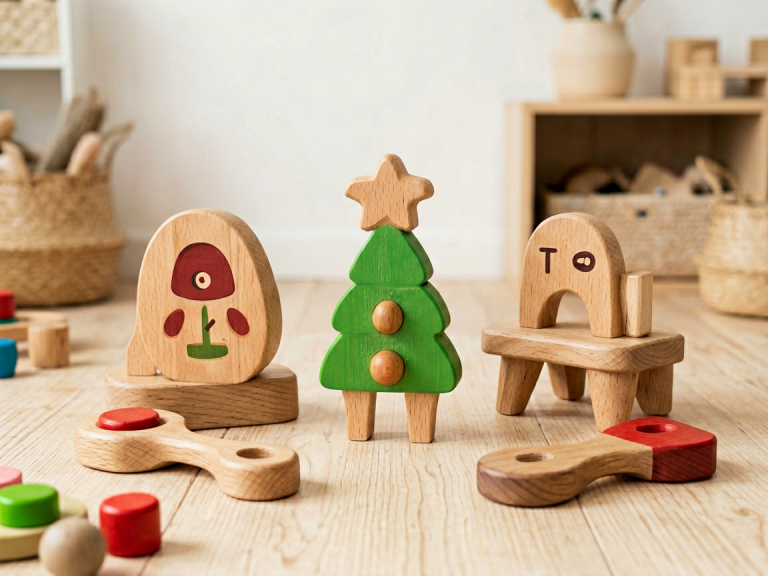
Opt for sets with no more than 30 to 50 pieces, ideally with large, chunky components that are easy to grasp. Simple wooden train tracks, magnetic tile sets, or large interlocking blocks allow for creativity without overwhelming the child. The pieces should be versatile enough to build multiple structures, but not so varied that the child cannot remember what each piece does.
Start with Guided Play, Then Step Back
Even a 30-piece set may require initial adult demonstration. Parents can sit with the child for the first few minutes, showing how to connect two pieces or follow a simple diagram. Once the child gains confidence, they can take over. This scaffolding approach builds problem-solving skills and reduces frustration.
Prefer Sensory and Open-Ended Toys
Five-year-olds benefit from toys that engage multiple senses—textured surfaces, bright colors, sounds, or even scents. Play dough with few accessories, simple puzzles with 12 to 24 pieces, or art supplies like crayons and paper provide endless variety with no messy assembly. These toys encourage storytelling, role-playing, and fine motor practice without the cognitive load of managing dozens of small pieces.
Consider Cooperative and Social Toys
Look for toys that invite group play: a large floor puzzle, a simple board game with limited components, or a set of plush figures for pretend play. These not only reduce the burden of “too many pieces” but also teach turn-taking, sharing, and communication—skills far more valuable than assembling a complex structure alone.
—
Conclusion
Buying a toy with too many pieces for a five-year-old is a well-intentioned but often misguided decision. What appears to be an investment in creativity and learning can quickly become a source of stress, mess, and disappointment. At this age, children need toys that respect their developmental limits—toys that are challenging enough to engage them but simple enough to allow success. The best toys for a five-year-old are those that invite exploration without overwhelm, encourage independence without frustration, and foster social interaction without territorial disputes. When parents look beyond the flashy packaging and count the pieces wisely, they give their children something far more valuable than a box of parts: the joy of play that builds confidence, imagination, and a lifelong love of learning.