Second-Hand Treasures: The Unseen Value of Pre-Loved Toys in Kindergarten Classrooms
In a world increasingly obsessed with the newest, shiniest, and most expensive playthings, a quiet revolution is unfolding in kindergarten classrooms across the globe. Teachers, parents, and early childhood educators are rediscovering the profound benefits of second-hand toys—those gently used, often worn, but deeply meaningful objects that have already lived a life of their own. While the commercial toy industry bombards families with advertisements for the latest plastic gadgets, the humble second-hand toy offers something far more valuable: a connection to history, a lesson in sustainability, and a catalyst for imaginative play. This article explores the multifaceted role of second-hand toys in the context of kindergarten education, arguing that these pre-loved items are not merely budget-friendly alternatives but essential tools for holistic child development.
The Environmental and Economic Case for Second-Hand Toys
Reducing the Carbon Footprint of Play
The environmental impact of the global toy industry is staggering. Every year, millions of tons of plastic toys end up in landfills, where they take centuries to decompose. The production of new toys consumes vast amounts of energy, water, and fossil fuels, contributing to climate change and resource depletion. By choosing second-hand toys for kindergarteners, educators and families directly participate in a circular economy that reduces waste and conserves resources. A single used wooden block set, for instance, might have already diverted several kilograms of plastic from a landfill. When multiplied across a classroom of twenty children, the cumulative environmental benefit is significant. Moreover, second-hand toys often come in packaging that has already been discarded, further reducing unnecessary waste. In this sense, every second-hand toy is a small but meaningful act of environmental stewardship—a lesson that even young children can begin to understand.
Cost-Effectiveness and Accessibility
Kindergarten classrooms, especially those in underfunded public schools or community centers, operate on tight budgets. The cost of outfitting a classroom with brand-new, high-quality toys can be prohibitive. Second-hand toys offer an accessible solution, allowing educators to provide a rich variety of play materials without straining limited resources. A thrift store purchase of a complete train set for five dollars versus a retail price of fifty dollars means the saved money can be redirected toward books, art supplies, or field trips. Furthermore, second-hand toys make play accessible to families of all socioeconomic backgrounds. A child who cannot afford the latest electronic toy can still enjoy the same quality of play with a pre-loved doll or puzzle. This democratization of play is crucial for fostering equity in early childhood settings, where every child deserves the opportunity to explore, create, and learn through diverse materials.
The Developmental Benefits of Pre-Loved Playthings
Encouraging Creativity and Open-Ended Play
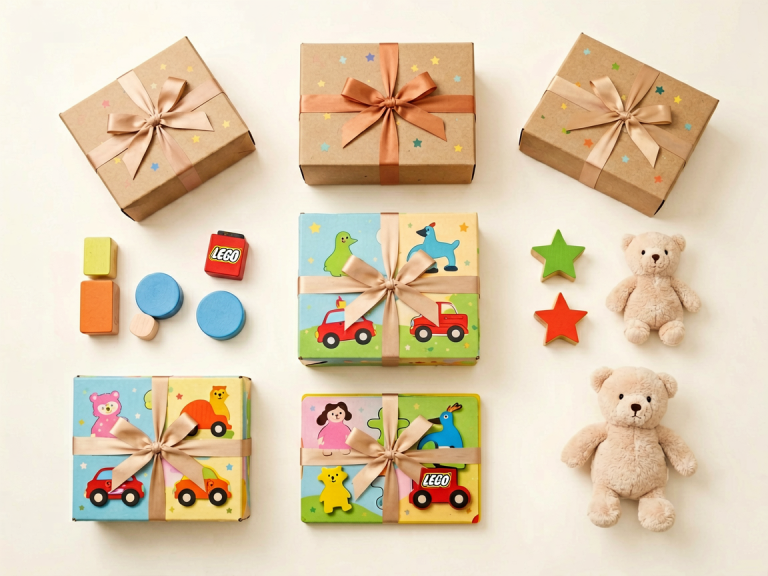
One of the most profound advantages of second-hand toys is their tendency to be simpler, less branded, and more open-ended. New toys often come with pre-programmed sounds, flashing lights, and rigid instructions that tell children exactly how to play. In contrast, many second-hand toys are classic, timeless objects—wooden blocks, fabric dolls, metal cars, or simple puzzles—that lack these digital distractions. Without a prescribed narrative, children are free to invent their own stories, transform a block into a telephone, or turn a worn teddy bear into a magical companion. This open-ended play is the bedrock of creativity, problem-solving, and cognitive flexibility. Research in early childhood education consistently shows that children who engage with less structured toys develop stronger executive function skills, including attention control, working memory, and cognitive flexibility. Second-hand toys, precisely because they are often older and simpler, naturally foster this type of rich, imaginative play.
Building Empathy and Connection Through Shared History
A second-hand toy carries with it an invisible layer of history. When a kindergarten child receives a used doll or a worn puzzle, they are inheriting a piece of someone else’s childhood. This can spark conversations about sharing, caring, and the passage of time. A teacher might say, “This teddy bear was once loved by another little girl who is now grown up. She took good care of it so that you could enjoy it too.” Such narratives teach children empathy and gratitude. They learn that objects have value beyond their price tag and that caring for toys allows them to be passed on to others. This sense of connection also reduces the “throwaway culture” that is so pervasive in modern society. When children see that a toy can be loved by many hands over many years, they develop a deeper respect for their belongings and a broader understanding of community and continuity.
Supporting Fine Motor Skills and Sensory Development
Many vintage second-hand toys are made from natural materials such as wood, cloth, or metal, which offer rich sensory experiences. The texture of a wooden block, the weight of a metal car, the softness of a well-loved fabric doll—these tactile qualities engage a child’s senses in ways that smooth plastic or digital screens cannot. Additionally, older toys often require more manual dexterity. A vintage jack-in-the-box, for example, demands turning a crank with precise finger movements, strengthening fine motor control. Similarly, wooden puzzles without plastic tabs require children to use their pincer grip to lift pieces. These activities are not only fun but also developmentally crucial for handwriting readiness and hand-eye coordination. In classrooms where second-hand toys are integrated, children naturally practice these skills through play, without the need for expensive “educational” gadgets.
Practical Considerations for Selecting and Using Second-Hand Toys
Safety First: Age-Appropriate and Non-Toxic Materials
While second-hand toys offer many benefits, safety must be the top priority. Kindergarteners, especially those aged three to six, are prone to putting objects in their mouths and may be exposed to hazards such as small parts, chipped paint, or broken edges. Educators and parents should carefully inspect each second-hand toy for loose pieces, sharp corners, or signs of wear that could cause injury. It is also essential to check for lead paint or other toxic substances, especially in toys manufactured before modern safety regulations. Reliable sources such as consignment shops that specialize in children’s items, certified thrift stores, or donations from trusted families are preferable. Additionally, washing and sanitizing all second-hand toys before introducing them to the classroom is a non-negotiable step—a simple solution of vinegar and water or mild soap can eliminate germs while preserving the toy’s integrity.
Curating a Balanced Toy Collection
A kindergarten classroom should not be filled exclusively with second-hand toys; rather, these items should complement a thoughtful assortment of new and developmentally appropriate materials. The key is balance. Second-hand toys can fill gaps in the collection—for example, adding vintage dress-up clothes, classic board games, or wooden unit blocks that may no longer be widely manufactured. Teachers should also consider the diversity of play experiences: a mix of open-ended toys (blocks, dolls, art supplies) and more structured items (puzzles, matching games) ensures that children develop a range of skills. Furthermore, rotating toys regularly maintains novelty, preventing boredom while respecting the limited number of items available. A well-curated second-hand toy collection can evolve with the children’s interests, offering surprises and discoveries throughout the school year.
Engaging Families and the Community
Introducing second-hand toys in the kindergarten classroom can also be a wonderful opportunity to involve families and the local community. Teachers can host a “toy swap” event where families bring in gently used toys and exchange them with others, fostering a culture of sharing and sustainability. Alternatively, a parent workshop on the benefits of second-hand play can educate families about how to source and select pre-loved toys for home use. Some schools even partner with local thrift stores or donation centers to receive regular shipments of toys, creating a sustainable pipeline that benefits both the classroom and the community. When children see their parents actively participating in these initiatives, the lessons about environmental responsibility and generosity become even more powerful.
Addressing Common Concerns and Misconceptions
“Second-Hand Toys Are Dirty or Unsafe”
This is perhaps the most common objection, but it is largely based on a misunderstanding. With proper cleaning, inspection, and selection from reputable sources, second-hand toys can be just as safe as new ones. The key is to avoid toys that are severely worn, broken, or made from questionable materials. In fact, many older toys were manufactured with higher quality standards—for example, solid wooden toys crafted from sustainably harvested wood and painted with non-toxic finishes. Compare this to some modern cheap plastic toys that may contain phthalates or BPA. With careful curation, second-hand toys often surpass new ones in terms of durability and safety.
“Children Prefer New Toys Because They Are More Exciting”
While it is true that children are naturally drawn to novelty, the “newness” of a toy is only one factor in its appeal. A second-hand toy that is unfamiliar to a child can be just as exciting as a brand-new one, especially if it is presented with enthusiasm by a teacher. Moreover, the quality of play matters more than the novelty. A child may briefly enjoy a flashing electronic toy, but the sustained engagement that comes from a well-designed puzzle or a set of building blocks is far more valuable. In practice, kindergarteners often show equal—or even greater—interest in second-hand toys that have character, history, and tactile richness.
Conclusion: Embracing a Culture of Second-Hand Play
The integration of second-hand toys into kindergarten classrooms is not a compromise born of necessity; it is a deliberate pedagogical choice that aligns with the best principles of early childhood education. These pre-loved treasures teach children about sustainability, empathy, and creativity in ways that new toys often cannot. They invite children to imagine beyond the boundaries of brightly colored packaging and pre-recorded sounds, to engage with materials that have a past and a future. As educators, parents, and caregivers, we have the opportunity to model a different relationship with consumption—one that values care, continuity, and community over constant novelty. In the hands of a kindergartner, a second-hand toy is not a leftover; it is a new beginning, a gift from the past, and a story waiting to be told. By embracing second-hand toys, we give our youngest learners the most valuable gift of all: a world that is kinder to the planet, more equitable for all, and richer in imagination.