The Hidden Treasures of Second-Hand Toys: A Guide for Preschooler Play
In a world saturated with glossy advertisements and ever‑expanding toy aisles, the humble second‑hand toy is often overlooked. Yet for parents of preschoolers, the decision to buy used toys can be one of the most thoughtful, economical, and environmentally responsible choices they make. From building blocks with a history to puzzles that have sparked joy in countless little hands, second‑hand toys carry stories, foster creativity, and offer unparalleled value. This article explores why second‑hand toys are not merely a budget option but a powerful tool for early childhood development, how to select them safely, and the broader benefits they bring to families and the planet.
The Economic and Practical Wisdom of Second‑Hand Toys
Preschoolers grow at an astonishing pace, and their interests shift just as quickly. A toy that captivates a three‑year‑old for weeks may be abandoned by the time she turns four. Purchasing every developmental toy brand‑new can strain a family’s budget, especially when children are still exploring what they truly enjoy. Second‑hand toys offer a sensible solution: they cost a fraction of the retail price, allowing parents to provide a rich variety of play experiences without financial guilt.
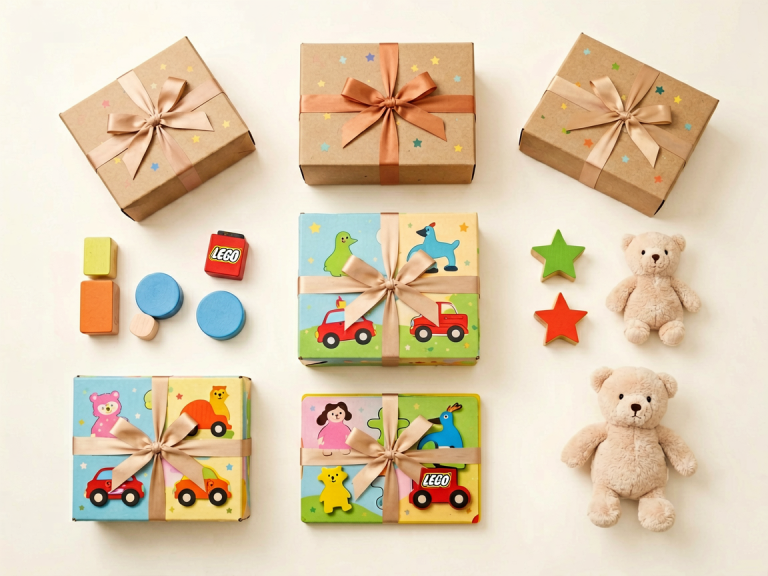
Beyond initial savings, second‑hand toys often come in bundles or “lots” – a bag of Duplo bricks, a set of wooden trains, or a collection of picture books. This abundance encourages open‑ended play, where preschoolers are free to combine, sort, and invent their own games. A single box of mixed second‑hand blocks, for example, can support counting, pattern recognition, and spatial reasoning for years. Moreover, buying used means parents can afford high‑quality toys – such as solid wood from brands like Melissa & Doug or sturdy plastic from LEGO – that are designed to last. These toys often outlast cheaper new items, making the second‑hand purchase a long‑term investment in durability.
Environmental Stewardship and Reducing Waste
The environmental toll of the toy industry is staggering. Most toys are made from plastics derived from fossil fuels, packaged in non‑recyclable materials, and shipped across the globe. The United Nations Environment Programme estimates that the toy industry generates millions of tons of waste each year, much of which ends up in landfills or oceans. Preschoolers, who are naturally fascinated by the world around them, can begin to learn the importance of reusing and recycling through the simple act of playing with pre‑owned toys.
By choosing second‑hand toys, families directly reduce the demand for new manufacturing, thereby lowering carbon emissions and resource consumption. A wooden train set that has already served one family can delight a second child, keeping its embodied energy in use rather than creating waste. Additionally, many second‑hand toys are made of materials that are now rare or difficult to find, such as cast iron or untreated wood – materials that are often more sustainable than modern alternatives. Teaching preschoolers that their toys can come from other children, and that caring for them means passing them on, plants the seeds of environmental consciousness from an early age.
Safety Considerations When Selecting Second‑Hand Toys
One common worry among parents is whether second‑hand toys are safe for preschoolers. This concern is valid, because older toys may not meet current safety standards – they might contain lead paint, small parts that pose choking hazards, or design flaws that have since been corrected. However, with careful screening, second‑hand toys can be perfectly safe. Here are key guidelines:
- Check for recalls: Before buying, look up the toy’s brand and model on official recall databases (such as the CPSC in the United States or the RAPEX system in Europe). Many recalled toys from the 1990s and early 2000s involved magnets, phthalates, or lead paint.
- Examine the material: Avoid toys with chipped paint, rust, or flaking surfaces. Solid wood without a painted finish is generally safer. For plastic toys, ensure they are free of cracks that could trap dirt or break into sharp pieces.
- Test for small parts: Preschoolers still put things in their mouths. Use a standard choke‑test tube or simply check whether any removable piece fits through a toilet paper roll – if it does, it’s too small for children under three.
- Soft toys and hygiene: Stuffed animals and fabric toys can harbor allergens, dust mites, or mildew. Wash them in hot water (if the label allows) or leave them in a sealed bag in the freezer for 48 hours to kill dust mites. For plastic or wooden toys, a wipe with a mild soap solution is often sufficient.
When buying from thrift stores, garage sales, or online marketplaces like Facebook Marketplace or eBay, always ask the seller about the toy’s history: has it been stored in a damp basement? Has it ever been near smoke? Many sellers are honest about flaws, and you can often negotiate a lower price for a toy that needs a little cleaning. With these precautions, second‑hand toys can be just as safe – if not safer – than brand‑new ones, because they have already been “tested” by another family.
Developmental Benefits of Second‑Hand Toys for Preschoolers
Second‑hand toys are not mere hand‑me‑downs; they can actively support preschool‑age learning in ways that new toys sometimes cannot. Consider these examples:
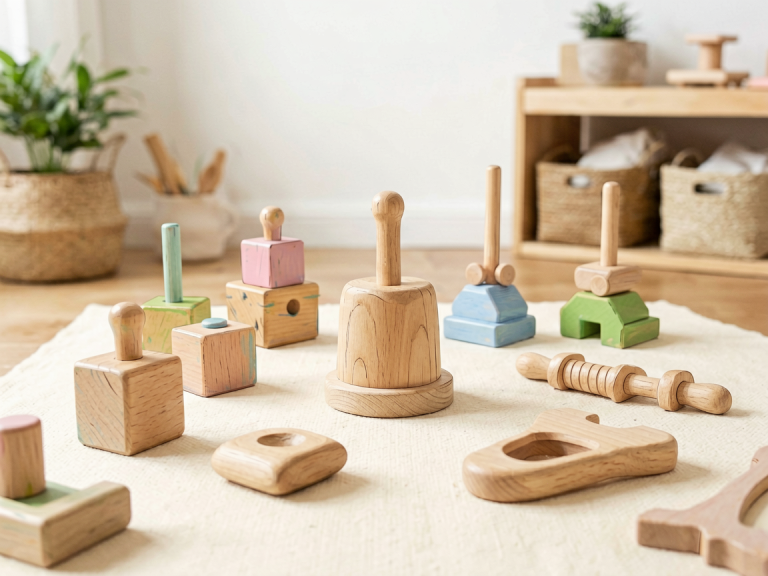
- Open‑ended play: Used toys often lack the branded instructions or electronic “bells and whistles” of modern toys. A second‑hand set of plain wooden blocks, for instance, forces a child to imagine creatively rather than pressing a button. This kind of open‑ended play is crucial for developing executive function, problem‑solving skills, and language.
- Narrative and empathy: Many second‑hand toys come with a sense of history. A doll that has been loved by another child may inspire a preschooler to invent stories about its previous adventures. This encourages empathy (caring for the toy as if it had feelings) and narrative thinking, which is foundational for literacy.
- Diverse experiences: Parents often curate new toys to match a child’s current interests, but second‑hand shopping can introduce unexpected treasures – a vintage magnetic fishing game, a set of tangrams, or a train track that sparks an entirely new obsession. These serendipitous finds broaden a child’s horizons and expose them to different forms of play.
- Social skills through sharing: When preschoolers know that their toys once belonged to another child, they are often more willing to share with peers. The concept of “hand‑me‑down” normalizes the idea of circular ownership, reducing possessiveness and promoting cooperative play.
Building a High‑Quality Second‑Hand Toy Collection
Curating a second‑hand toy stash for preschoolers does not require endless hours of hunting. Start with the “evergreen” categories that children never outgrow: building blocks, wooden trains, puzzles (with all pieces present), toy kitchen items, dolls, vehicles, and art supplies like crayons and chalk. Avoid toys that depend on batteries or digital components, as these may be broken or obsolete.
Inspect each toy thoroughly: ensure that moving parts work smoothly, that puzzle pieces haven’t been chewed, and that no sharp edges exist. Online marketplaces allow you to view photos and read descriptions, but local thrift stores let you touch and test the toys before buying. Building a collection slowly – one or two items per week – prevents clutter and gives you time to observe what your preschooler truly loves.
Once a toy is no longer interesting, pass it on to another family, donate it back to a thrift store, or trade it at a neighborhood swap event. This teaches children that toys are not disposable; they are resources that can bring joy to many. In this way, second‑hand toys become part of a larger cycle of generosity and sustainability.
Addressing Common Myths About Second‑Hand Toys
Some parents hesitate to buy used because they believe such toys are dirty, outdated, or inferior. Let’s address these myths:
- Myth: Second‑hand toys are unhygienic. Reality: With proper cleaning (soap, water, and sometimes a diluted vinegar solution), most hard toys are easily sanitized. For fabric toys, a wash cycle kills bacteria. In fact, many new toys from discount stores have been handled by dozens of shoppers before purchase, while a second‑hand toy may have lived in a clean home.
- Myth: Used toys lack educational value. Reality: Many classic educational toys – such as Cuisenaire rods, Montessori sandpaper letters, or wooden shape sorters – are still available second‑hand and are far superior to digital “learning” apps that promote passive screen time.
- Myth: It’s hard to find complete sets. Reality: While it’s true that puzzles and board games may miss pieces, you can often find complete sets through online sellers who specialize in vintage toys. Moreover, a few missing pieces in a block set or train track do not diminish play value; children are resourceful and will adapt.
Conclusion: A Thoughtful Choice for Mindful Parenting
Second‑hand toys are far more than a bargain; they represent a conscious decision to prioritize sustainability, creativity, and economic sense in a child’s early years. For preschoolers, the world is a place of wonder and discovery – and the toys they interact with shape their understanding of value, sharing, and the environment. By choosing pre‑owned playthings, parents teach that joy does not come from the price tag, but from the imagination and love that fill the playroom.
As you browse a thrift store or scroll through an online listing, remember that each scuffed block, each faded picture book, and each well‑loved doll carries a silent lesson: that things can be used, reused, and cherished again. In an age of rapid consumption, second‑hand toys remind us that the simplest gifts often hold the deepest value. For your preschooler – and for the planet – that is a lesson worth passing on.