The Ultimate Guide: How to Thoroughly Inspect Used Toys Before You Buy or Accept Them
—
Introduction
Every parent, caregiver, or thrifty shopper knows the appeal of used toys. They are often budget-friendly, environmentally sustainable, and sometimes even nostalgic. However, unlike brand-new items that come with pristine packaging and certified safety standards, secondhand toys can carry hidden risks—from broken parts and chipped paint to mold, battery corrosion, or even choking hazards. Knowing how to check toys for used toys is not merely a matter of personal preference; it is a critical skill that can prevent accidents, protect children’s health, and save you from wasting money on unsafe or non-functional items.
This comprehensive guide breaks down the inspection process into clear, actionable steps. Whether you are browsing a garage sale, scrolling through an online marketplace, or receiving hand-me-downs from a friend, these checks will help you ensure that every used toy you bring home is safe, clean, and age-appropriate.
—
1. Why a Systematic Inspection Matters
Before diving into the step-by-step process, it is important to understand why a thorough check is non-negotiable. Used toys have often endured years of play, exposure to sunlight, moisture, and the wear and tear of multiple children. A toy that looks fine on the surface could harbor:
- Bacteria, viruses, or allergens from previous owners.
- Lead or other toxic substances in older paint or plastic formulations.
- Small detachable parts that were not originally present (e.g., a broken wheel that becomes a choking hazard).
- Electrical or mechanical faults that could cause burns or cuts.
According to the U.S. Consumer Product Safety Commission, many recalls involve toys that were manufactured years ago but still circulate in secondhand markets. Therefore, learning how to check toys for used toys is your first line of defense.
—
2. Pre-Inspection: Gather Your Tools and Assess the Toy’s Age
2.1 What You Will Need
- A bright flashlight or well-lit area.
- A magnifying glass (optional but helpful for tiny cracks).
- A coin or a small tool to test battery compartments.
- A clean white cloth or paper towel.
- A camera phone (to document any flaws or missing parts).
- Disposable gloves if the toy looks particularly dirty or sticky.
2.2 Estimate the Toy’s Manufacturing Era
Many older toys were made before modern safety regulations took effect. For example, toys from the 1970s or earlier may contain lead paint, while those from the 1990s might have phthalates in soft plastics. Look for a date stamp, patent number, or manufacturing code on the toy or its packaging. If you cannot find one, search online for the brand and model—this can alert you to past recalls.
—
3. Visual Inspection: The First and Most Important Step
3.1 Surface Check: Cracks, Chips, and Sharp Edges
Hold the toy under strong light and rotate it slowly. Look for:
- Crazing – fine lines in plastic that indicate brittleness.
- Chipped or peeling paint – especially on wooden toys or older plastic figures.
- Sharp edges or burrs – often found where a piece has broken off.
- Rust or corrosion – common on metal toys, battery compartments, and axles.
Run your fingers gently (but carefully) over the entire surface. Do not press too hard; just feel for any unexpected roughness or protruding splinters. If the toy has soft fabric parts, squeeze them to detect any hard lumps inside that could be loose batteries, broken stuffing, or hidden objects.
3.2 Color Fading and Discoloration
Faded colors can indicate prolonged sun exposure, which weakens plastics. Yellowing or brown spots may suggest nicotine, food residue, or mildew. While discoloration alone is not a safety hazard, it often correlates with material degradation. Use your white cloth to rub a small area—if any color or substance transfers to the cloth, the toy may be leaking dyes or oils.
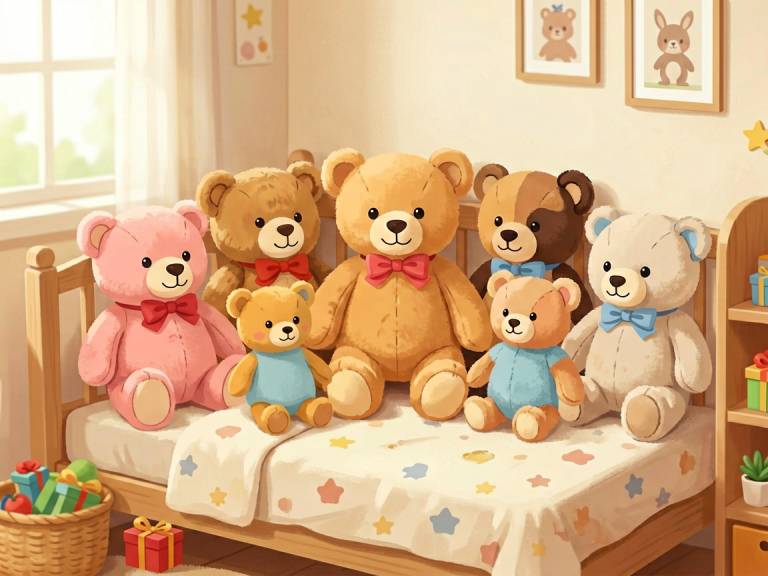
3.3 Stitches and Fabric Integrity for Plush Toys
Stuffed animals and fabric toys require special attention. Look for:
- Tears or ripped seams where stuffing can escape.
- Loose threads that can wrap around a child’s fingers or toes.
- Stains that appear dark or greenish – these may be mold, especially if the toy was stored in a damp basement.
- Missing eyes or buttons – these are classic choking hazards. If they are glued on, test that the glue is still secure.
—
4. Structural Integrity: Shake, Twist, and Tug
4.1 The “Shake Test” for Loose Parts
Hold the toy about six inches from your ear and shake it vigorously. Listen for rattling sounds. Any rattle indicates that something inside has broken free—possibly a small part that could later become accessible to a child. Even if the toy is currently sealed, impact during play could cause that loose piece to break through the plastic shell.
4.2 Tug on All Attachments
Pull gently on every small component: buttons, wheels, hair ribbons, zipper pulls, handles, and decorative items. If any piece moves more than a millimeter or two, it may detach under the force of a child’s play. According to international safety standards (e.g., ASTM F963), parts on toys intended for children under three must not be removable without significant force.
4.3 Test Joints and Hinges
For action figures, dolls, or transformable toys, exercise all joints through their full range of motion. A stiff joint that clicks may have sand or dried lubricant inside. A joint that wobbles excessively could break off entirely. Similarly, check any folding mechanisms—umbrellas, strollers, play tents—to ensure they lock securely and do not collapse suddenly.
—
5. Battery Compartments and Electronic Components
5.1 Open the Battery Door
If the toy uses batteries, open the compartment. Look for:
- Corrosion – white or greenish powder around the terminals.
- Leaking fluid – a clear or yellowish residue from old batteries; it can be caustic.
- Rust on springs – indicates moisture damage.
- Missing screws – the children may be able to open the compartment and access batteries.
Do not simply close the door—remove the batteries if they are present, wipe the compartment clean with a dry cloth, and test the toy with fresh batteries. If it does not work, the internal wiring may be damaged.
5.2 Inspect Wires and Exposed Electronics
Some toys have visible wires, such as those with lights or sound modules. Look for frayed insulation, bare copper, or loose connections. If the toy is supposed to be water-resistant (e.g., bath toys), check for cracks in the rubber seals. A compromised seal can allow water to enter, causing short circuits or mold growth inside.
—
6. Odor and Chemical Concerns
6.1 The Sniff Test
Bring the toy close to your nose and inhale gently. Strong chemical smells (gasoline, solvent, or plastic-like) may indicate that the toy was stored near chemicals or that the plastic itself is off-gassing. A musty or mildew odor suggests prolonged exposure to moisture—mold spores can trigger allergies and asthma. If the toy smells of smoke, airborne toxins have likely adhered to its surface.
6.2 Lead and Toxic Material Screening (Optional but Recommended)
For older toys, especially those from the 1960s–1980s or any toy with yellow or red paint, consider using an at-home lead test kit (available online or at hardware stores). Follow the instructions carefully. While not every used toy requires this step, it is wise for painted wooden toys, vintage metal vehicles, or ceramic dolls with glazed finishes.
—
7. Cleaning and Sanitization: Can It Be Done Safely?
Even after a thorough inspection, a used toy may still need cleaning. Before you commit to buying, ask yourself:
- Is the toy machine washable or dishwasher safe? Check the care label or manufacturer’s website. Plush toys with internal electronics cannot be submerged.
- Can it be wiped down with a mild bleach solution? Hard plastic and silicone toys can usually be sanitized, but porous materials (wood, untreated fabric) may absorb chemicals and are difficult to fully disinfect.
- Are there deep crevices that trap dirt? Toys with lots of small grooves, like action figures with detailed armor, may require a toothbrush and high-pressure water—time-consuming and not always effective.
If the toy cannot be thoroughly cleaned (for example, a puzzle with cardboard pieces that will warp if wet), it may be safer to pass on it.
—
8. Age-Appropriateness and Recalls
8.1 Match the Toy to the Child’s Age
Used toys are often missing their original packaging, which means you lose the age recommendation. Estimate the toy’s intended age based on:
- Small parts: If any piece can fit entirely inside a toilet paper tube (diameter ~1.25 inches), it is a choking hazard for children under 3.
- Long cords or strings: Toys with cords longer than 12 inches pose strangulation risks for toddlers.
- Complex mechanisms: Toys that require fine motor skills (e.g., small LEGO blocks) may frustrate younger children.
8.2 Quick Recall Check
Visit the CPSC website (or your country’s equivalent) and search for the toy’s brand and model. Some used toys are recalled years after their manufacture because of new safety data. Do not skip this step—it takes only a minute and can reveal serious hazards that are invisible to the naked eye.
—
9. Final Decision: Keep, Repair, or Reject?
After completing all the above checks, categorize the toy into one of three groups:
- Keep (safe): No defects, clean, age-appropriate, and free of recalls. Clean it one more time, and enjoy.
- Repairable (with caution): Minor issues such as a missing screw, a loose stitch, or a faint stain that can be removed. If you have the skills and materials to fix it, proceed—but only if the repair will be permanent and safe.
- Reject (risk too high): Any sign of mold, corrosion, sharp edges, chemical smell, missing non-replaceable parts, or a recall that you cannot remediate. Do not rationalize keeping a dangerous toy, even if it was free or cheap.
—
Conclusion
Knowing how to check toys for used toys is a practical skill that empowers you to make informed, cost-effective, and safe choices. With a systematic approach—starting from a visual inspection, moving through structural and functional tests, and finishing with cleaning and recall awareness—you can turn secondhand toy hunting into a rewarding activity rather than a gamble.
Remember that no checklist can replace your own parental judgment. If a toy makes you uneasy for any reason, trust that instinct. The goal is not to overcomplicate the process, but to develop an eye for details that might otherwise go unnoticed. In the end, a well-inspected used toy can give a child hours of joy and learning, all while saving money and reducing waste. That is a win for everyone.
—
*(Word count: approximately 1,150 words)*