The Hidden Costs of Buying Cheap Plastic Toys for Two-Year-Olds
Introduction: A Common Parental Temptation
It happens in every toy aisle, every dollar store, and every online flash sale. A parent of a two-year-old, exhausted from a long day of tantrums and diaper changes, spots a colorful bin of plastic toys marked down to two dollars. The child’s eyes light up. The parent’s wallet breathes a sigh of relief. In that moment, buying cheap plastic toys for a two-year-old seems like a perfect solution: immediate joy, minimal expense, and a few minutes of quiet. But what appears to be a harmless bargain often carries a heavy price—one that is paid not in dollars, but in health, development, and environmental degradation. This article explores the multifaceted consequences of purchasing low-cost plastic toys for toddlers, offering a balanced perspective that every parent should consider before making that next impulsive purchase.
The Allure of Cheap Plastic Toys
Instant Gratification and Low Cost
The primary appeal of cheap plastic toys is obvious: they are affordable. For a family on a tight budget, a $2 toy car or a $5 set of plastic stacking rings can provide entertainment without straining the monthly finances. Two-year-olds are notoriously fickle; a toy that fascinates them today may be abandoned tomorrow. Spending large sums on high-end wooden toys or Montessori-approved playthings seems wasteful when a child’s attention span is measured in minutes. Cheap plastic toys fill the gap—they are disposable, replaceable, and guilt-free.
Bright Colors and Novelty
Manufacturers of inexpensive plastic toys understand the visual psychology of toddlers. They produce objects in neon greens, screaming oranges, and electric blues, often adorned with cartoon characters from the latest movie. For a two-year-old, these toys are sensory magnets. The brightness stimulates their developing visual cortex, and the novelty of a new object sparks curiosity. A child who has seen the same wooden blocks for months may be utterly captivated by a flashing plastic light-up wand. This immediate engagement is hard for any parent to resist.
The Hidden Dangers: Safety and Health Concerns
Chemical Hazards: BPA, Phthalates, and Lead
One of the most alarming aspects of cheap plastic toys is the potential presence of harmful chemicals. Low-cost manufacturing often cuts corners on material safety. Many plastic toys imported from countries with lax regulations contain bisphenol A (BPA), phthalates, or even lead. Two-year-olds explore the world through their mouths. They chew on toy cars, suck on plastic animals, and lick the wheels of a toy truck. When these toys leach chemicals, the child ingests them directly. Studies have linked exposure to BPA and phthalates with hormonal disruptions, developmental delays, and even behavioral problems. A bargain toy may thus set the stage for long-term health issues that cost far more than the price of a higher-quality alternative.
Choking Hazards and Sharp Edges
Cheap plastic toys are often assembled poorly. Small parts—buttons, eyes on stuffed animals, detachable wheels—can break off with minimal force. A two-year-old’s grip is strong enough to snap a flimsy plastic piece, and their curiosity drives them to put the broken fragment into their mouth. The result is a choking hazard that can lead to emergency room visits. Furthermore, the molds used for cheap toys are not always smoothed. Sharp edges or burrs can cut a toddler’s sensitive gums or fingers. This is not merely a theoretical risk; recall reports from consumer safety agencies frequently list inexpensive plastic toys among the top choking hazards for children under three.
Developmental Impact: What Cheap Plastic Toys Teach (or Fail to Teach)
Limited Open-Ended Play
High-quality toys for two-year-olds—such as wooden blocks, stacking cups, or simple shape sorters—encourage open-ended play. A child can use them in multiple ways, fostering creativity, problem-solving, and motor skills. Cheap plastic toys, by contrast, often have a single, predetermined function. A plastic toy that makes a sound when a button is pressed does exactly one thing: it makes that sound when that button is pressed. A two-year-old learns cause and effect, but little else. There is no room for imagination. The toy dictates the play, rather than the child inventing the play. Over time, an environment saturated with such toys can dull a child’s creative thinking.
Overstimulation and Attention Span
Many cheap plastic toys are designed to be noisy and flashy to grab attention in a store aisle. But for a two-year-old’s developing brain, constant sensory overload can be counterproductive. Research in early childhood development suggests that excessive exposure to electronic, flashing, noisy toys is associated with shorter attention spans and reduced sustained focus. A child who grows accustomed to a toy that shrieks, lights up, and moves on its own may struggle to engage with quieter, more subtle activities like reading a book or drawing. The cheap plastic toy may entertain for five minutes, but it may also train the child to expect constant external stimulation—a pattern that can hinder self-directed play and calm behavior.
Environmental Cost: A Legacy of Waste
Non-Biodegradable and Short-Lived
Plastic does not decompose. A cheap plastic toy may be cherished for a week, then forgotten, then thrown into a landfill where it will outlast the child by hundreds of years. Two-year-olds go through many toys; the cumulative waste from a family that buys cheap plastic toys regularly is staggering. Unlike wooden toys, which can be passed down or burned (if untreated), plastic toys are nearly impossible to recycle because they are made from multiple materials—mixed plastics, metal parts, batteries, and paint. Most end up in oceans or incinerators, contributing to microplastic pollution and greenhouse gas emissions.
The Cycle of Disposability
The low price of cheap plastic toys encourages a culture of disposability. When a toy breaks, a parent simply buys another. This mentality is passed on to children. A two-year-old may not understand environmental concepts, but she observes her parents’ behavior. If toys are constantly replaced and discarded, the child learns that objects have little value. This can undermine the development of gratitude, care, and responsibility. Moreover, the manufacturing of these toys consumes resources—petroleum, water, energy—for a product with a lifespan measured in days.
Practical Alternatives: Balancing Budget and Quality
The Case for Fewer, Better Toys
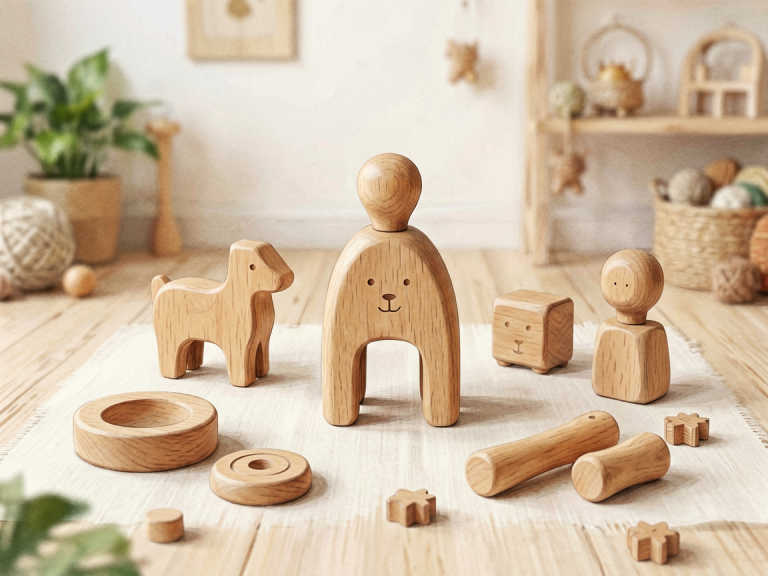
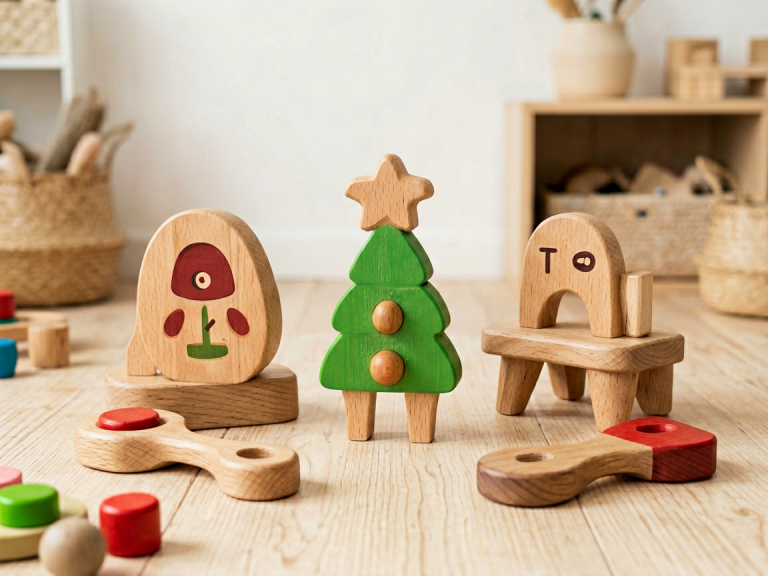
Parents need not break the bank to provide quality playthings. The key is to choose fewer toys that offer more play value. Instead of buying ten cheap plastic cars that all look the same, invest in one sturdy wooden car that rolls smoothly and can be pushed along a track. Instead of a plastic shape sorter that cracks after a week, buy a fabric-based or rubber version that lasts. Many high-quality toys are available secondhand at thrift stores or online marketplaces. A used wooden puzzle or a set of stacking cups made from food-grade silicone costs little more than a new plastic toy and carries far less risk.
Safe Plastic: What to Look For
If a parent does choose plastic toys, they should look for durable types: polypropylene (PP) or polyethylene (PE), which are generally considered safe and free from BPA and phthalates. Check for labels like “BPA-free,” “phthalate-free,” and “non-toxic.” Avoid toys made from polyvinyl chloride (PVC), which often contains softening chemicals. Also, examine the toy for small parts before giving it to a two-year-old. A simple rule: if it can fit through a toilet paper roll, it is a choking hazard.
Conclusion: The True Price of a Bargain
Buying cheap plastic toys for a two-year-old is not inherently evil. In certain situations—a desperate need for distraction, a very tight budget, a one-time use for travel—they can serve a purpose. However, parents must recognize that the low price tag hides a complex web of costs: chemical exposure, choking risks, stifled creativity, environmental harm, and a consumerist mindset. The next time you stand in a store aisle with a two-year-old tugging at your sleeve, pause before grabbing that neon plastic dinosaur. Ask yourself: is this toy safe? Will it inspire my child to think, or just to press a button? Will it be here a month from now, or will it end up in the trash? The answers may lead you to a different shelf—one filled with simpler, safer, and more sustainable options. Because in the end, the best toy for a two-year-old is not the cheapest or the shiniest. It is the one that grows with them, nurtures their imagination, and—most importantly—keeps them safe.