The Hidden Hazard in Playtime: Phthalates in Toys for Kindergarteners
Introduction
The joyful laughter of kindergarteners playing with colorful toys is a sound that warms every parent’s heart. Yet beneath the bright plastic surfaces of dolls, building blocks, and bath toys lurks a silent chemical threat: phthalates. These industrial compounds, widely used to soften polyvinyl chloride (PVC) plastics, have been linked to a range of adverse health effects, particularly in young children whose bodies are still developing. As kindergarteners spend countless hours mouthing, squeezing, and handling toys, their exposure to phthalates can be alarmingly high. This article explores what phthalates are, why they appear in toys, the specific risks they pose to children aged three to six, current regulations, and practical steps parents and educators can take to protect the little ones during this critical stage of growth.
What Are Phthalates and Why Are They Used in Toys?
Phthalates (pronounced THAL-ates) are a group of synthetic chemicals primarily used as plasticizers. When added to PVC, they transform rigid plastic into a soft, pliable, and durable material. This property makes phthalates ideal for manufacturing a wide variety of children’s toys: teething rings, rubber ducks, action figures, inflatable balls, and even some art supplies. Without phthalates, these toys would be brittle and uncomfortable to handle. However, phthalates are not chemically bound to the plastic matrix; they leach out over time through normal wear, washing, and especially when a toy is heated (e.g., left in a car) or chewed. Because kindergarteners often put toys in their mouths, oral ingestion is the primary route of exposure. Common phthalates found in toys include DEHP (di(2-ethylhexyl) phthalate), DBP (dibutyl phthalate), and BBP (butyl benzyl phthalate), though many others exist.
Health Risks for Kindergarteners
The developing bodies of kindergarteners are uniquely vulnerable to phthalates. These chemicals are endocrine disruptors, meaning they interfere with the body’s hormone systems. Even low-level, chronic exposure can have profound consequences.
First, phthalates are known to affect reproductive development. Studies have linked prenatal and early childhood exposure to DEHP and DBP with changes in male genital development, lower sperm counts later in life, and earlier puberty in girls. For kindergarteners still undergoing rapid growth, these disruptions can permanently alter hormonal pathways.
Second, phthalates have been associated with respiratory problems. Children exposed to higher levels of phthalates (particularly in dust from softened plastic toys) show increased rates of asthma, wheezing, and allergic rhinitis. A study published in *Environmental Health Perspectives* found that phthalate metabolites in urine were significantly correlated with increased asthma risk in preschoolers.
Third, neurodevelopmental effects are a growing concern. Some research suggests that prenatal exposure to phthalates may contribute to lower IQ, attention deficits, and behavioral problems such as hyperactivity and poorer social communication. Since kindergarteners are in a critical window for brain development, even subtle disruptions can affect their readiness for school.
Fourth, phthalates can impair the immune system. Recent studies indicate that high exposure may reduce vaccine effectiveness and increase susceptibility to infections—a particular worry in group settings like kindergartens.
The cumulative effect of these risks is especially troubling because children do not encounter phthalates from toys alone. They also come from food packaging, flooring, and personal care products. Toys, however, represent a direct and repeated source of oral and dermal contact.
Regulatory Landscape: A Patchwork of Protections
Governments around the world have recognized the danger and taken steps to restrict phthalates in toys, but the regulations vary widely.
In the European Union, the REACH regulation (Registration, Evaluation, Authorisation and Restriction of Chemicals) permanently bans several phthalates—including DEHP, DBP, BBP, and DIBP—in all toys and childcare articles, regardless of concentration. This ban applies to any toy intended for children under 14. The EU also restricts three additional phthalates (DINP, DIDP, and DNOP) in toys that children can mouth. This stringent approach has significantly reduced phthalate levels in toys sold in Europe.
In the United States, the Consumer Product Safety Improvement Act (CPSIA) of 2008 permanently banned DEHP, DBP, and BBP in children’s toys and childcare articles at concentrations above 0.1%. It also placed an interim ban on DINP, DIDP, and DNOP in toys that can be placed in a child’s mouth. However, the “mouthable” criterion can be ambiguous: a toy that a child merely handles but does not chew may still contain high levels of restricted phthalates. Moreover, the CPSIA does not cover PVC toys intended for children over 12, and enforcement remains uneven.
In China, the national standard GB 6675.1-2014 sets limits on six phthalates in toys for children under 14, similar to the EU’s approach, but compliance monitoring and testing are less rigorous, leading to occasional recalls of phthalate-laden toys.
Despite these regulations, loopholes persist. Some manufacturers replace banned phthalates with less-studied alternatives, such as DINCH or DEHT, whose long-term safety for young children is still unclear. Furthermore, second-hand toys, imported products from less regulated markets, and cheap plastic items sold online may easily exceed legal limits.
How to Choose Safer Toys for Kindergarteners
Given the regulatory gaps, parents and educators must become proactive detectives. The following strategies can dramatically reduce phthalate exposure without eliminating the joy of play.
First, look for labeling. Many responsible manufacturers now label their products “phthalate-free” or “DEHP-free.” Certifications such as the ASTM F963 (U.S.) or the CE marking with EN 71 (Europe) indicate compliance with safety standards, but they do not guarantee absence of phthalates unless explicitly stated. The best assurance comes from third-party certifications like the “GreenGuard Gold” or “Oeko-Tex Standard 100” for plastic toys.
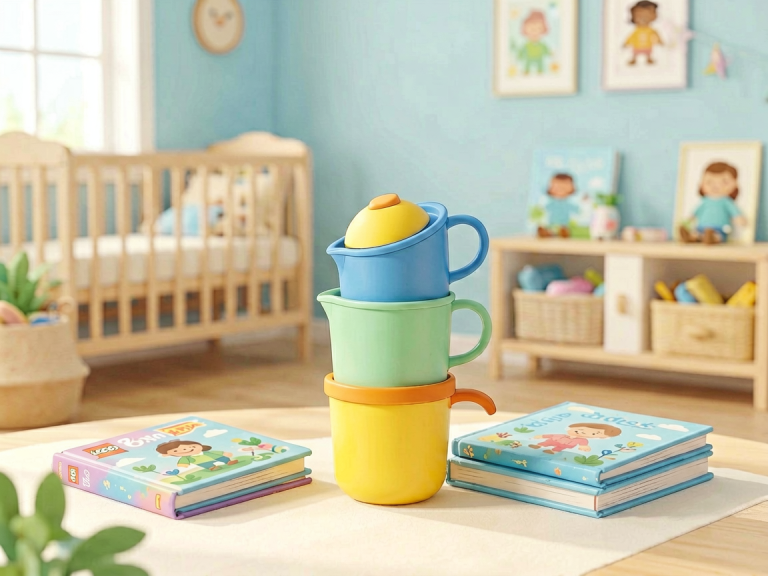
Second, choose materials wisely. Avoid PVC (often labeled with recycling code #3). Opt for toys made from natural materials: solid wood (unpainted or finished with non-toxic paints), organic cotton, wool, or silicone. Silicone is a safe alternative to soft plastic and is widely used in teething toys and kitchen play sets. Polyethylene (#2 and #4) and polypropylene (#5) are generally considered phthalate-free, but always check for added softeners.
Third, avoid novelty toys and extremely cheap items. Dollar-store toys, gumball-machine prizes, and free promotional items frequently contain high levels of phthalates because they are made with minimal oversight. Similarly, inflatable pool toys and bath toys should be chosen with caution—they are often made of PVC and can leach phthalates into warm water.
Fourth, establish good play habits. Encourage children not to put toys in their mouths, though this is difficult for kindergarteners. Wash hands thoroughly after playing, especially before eating. Clean toys regularly with mild soap and water—but avoid harsh chemicals that might degrade the plastic and increase leaching.
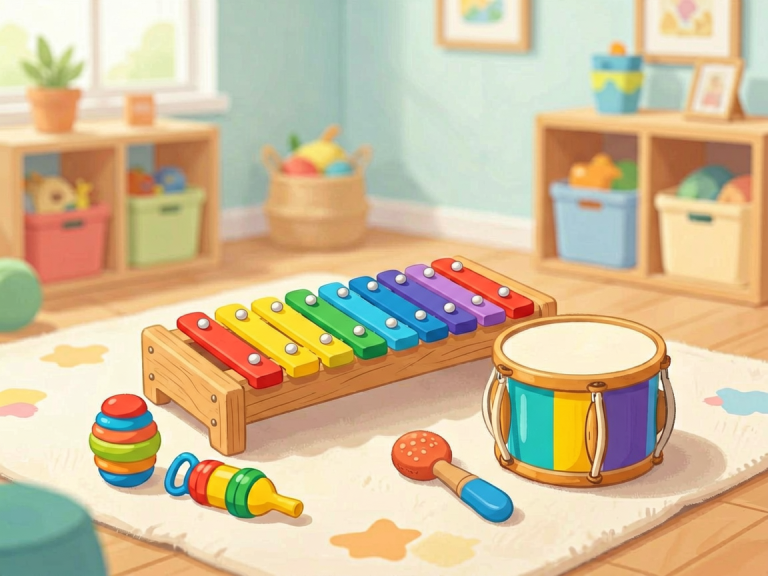
Fifth, consider swapping plastic toys for open-ended alternatives. Building blocks made of wood, fabric dolls, and cardboard puzzles are not only safer but also stimulate creativity. A growing number of eco-friendly toy brands explicitly avoid all phthalates and other endocrine disruptors.
Finally, support stronger regulation. Citizens can contact their elected representatives to advocate for a comprehensive, enforceable ban on all phthalates in children’s products, not just a subset. In the meantime, community swapping events can help families replace older, potentially hazardous toys with safer ones.
Conclusion
Phthalates in toys represent a preventable threat to the health of kindergarteners—children who deserve a safe environment in which to explore, learn, and grow. While regulations have improved, they remain imperfect, and the burden of protection often falls on parents and caregivers. By understanding what phthalates are, recognizing the specific dangers they pose to young children, and adopting practical strategies to choose safer toys, we can significantly reduce exposure. Playtime should be a source of joy, not a silent delivery system for endocrine-disrupting chemicals. As awareness spreads and consumer demand shifts, manufacturers will be encouraged to innovate with safer materials. Ultimately, every child deserves toys that nurture their development without compromising their future health.