The Hidden Price Tag of Cheap Plastic Toys: What Every Parent of a 7-Year-Old Should Know
Introduction: The Allure of the Bargain Bin
Walk into any discount store, supermarket, or online marketplace, and you’ll find them: brightly colored, flimsy plastic toys priced so low that they seem irresistible. For a 7-year-old, these toys often hold a magical promise—a new superhero figure, a glittering unicorn, or a tiny car that zooms across the floor. For a parent, the appeal is equally strong. Why spend $25 on a single, well-crafted toy when you can buy a bag of five action figures for the same price? The logic seems sound, especially when budgets are tight and children’s desires change faster than the weather. But the decision to buy cheap plastic toys for a 7-year-old is rarely as simple as it appears. Beneath the low cost and instant gratification lie layers of hidden consequences—environmental, developmental, health-related, and even financial—that every parent should consider. This article explores the complex reality behind those bargain-bin treasures and offers practical guidance for making smarter, more mindful choices.
The Immediate Appeal: Why Cheap Plastic Toys Tempt Us
Low Cost, High Variety
The most obvious reason parents gravitate toward cheap plastic toys is the price. A dollar-store dinosaur or a pack of plastic rings can keep a child entertained for an afternoon at minimal financial risk. For 7-year-olds, whose interests can pivot from dinosaurs to space to kittens in a single week, the low cost allows parents to indulge these fleeting passions without guilt. Additionally, these toys are often sold in bulk—think of the familiar bags of plastic army men, miniature food items, or random animal figures. The promise of variety (“50 pieces for $5!”) feels like a steal.
The Disposable Mindset
Cheap plastic toys also cater to the modern culture of disposability. When a toy breaks—and it almost certainly will—the loss is negligible. Parents don’t feel the sting of a wasted investment. Moreover, 7-year-olds are still developing their sense of object permanence and delayed gratification. A shiny new trinket can provide a quick dopamine hit, and parents often use these toys as small rewards, party favors, or travel distractions. The low stakes make them easy to say yes to.
Peer Pressure and Marketing
Seven-year-olds are increasingly influenced by their peers and media advertising. A popular cartoon character or YouTuber might feature a specific cheap plastic toy, creating a “must-have” demand that parents find hard to resist. The toy industry knows this well, flooding the market with licensed, low-cost plastic items tied to trending shows. Because the price is low, parents often cave, reasoning that it’s easier to buy the toy than to fight a tantrum.
Developmental Considerations: What a 7-Year-Old Truly Needs
The Stage of Concrete Operations
At age 7, children are typically in Piaget’s concrete operational stage. They begin to think logically about concrete events but still struggle with abstract concepts. Their play becomes more structured, rule-based, and social. They enjoy board games, simple strategy activities, and building projects. Cheap plastic toys, however, often fail to support this developmental leap. Many are static figures or single-function items that offer little room for creativity, problem-solving, or social interaction. A plastic dinosaur that only stands on its wobbly legs may entertain for five minutes, but a set of wooden blocks or a basic craft kit can engage a 7-year-old for hours, fostering spatial reasoning, patience, and fine motor skills.
The Role of Imagination vs. Scripted Play
Not all cheap plastic toys are devoid of imaginative value. A bag of generic plastic animals can spark rich pretend play—a child might arrange them into a zoo, act out a rescue mission, or create a habitat. However, many cheap toys come with highly scripted narratives attached. For instance, a licensed character toy often dictates exactly how it should be played with, limiting the child’s own imaginative contribution. In contrast, open-ended toys (e.g., building bricks, art supplies, or simple dolls) encourage children to invent their own stories and rules. Seven-year-olds benefit most from toys that challenge them to think, plan, and collaborate—qualities rarely found in a 50-cent plastic car.
Social and Emotional Growth
At this age, children are learning to share, negotiate, and handle disappointment. Cheap plastic toys often break easily, leading to tears, frustration, and conflict with siblings or friends. A broken toy can be a teachable moment, but repeated disappointments can erode a child’s sense of trust in objects and in the parent’s choices. Furthermore, when a toy is so inexpensive that it feels “expendable,” it may inadvertently teach a child that things—and the effort to create them—have little value. This can undermine the development of gratitude and respect for belongings.
Environmental and Health Hazards: The Ugly Side of Cheap Plastic
Toxic Chemicals in Low-Cost Plastics
One of the most alarming concerns about cheap plastic toys is the potential presence of harmful chemicals. Many inexpensive toys, especially those manufactured without strict regulatory oversight, may contain phthalates, lead, cadmium, or bisphenol A (BPA). These substances are used to soften plastic, add color, or prevent fire, but they can leach out when a child chews on a toy (common at age 7) or even through normal handling. Studies have linked these chemicals to hormonal disruption, developmental delays, and even cancer. While many countries have safety standards, counterfeit or unregulated imports often slip through. A 7-year-old’s body is still rapidly developing, making them particularly vulnerable.
The Microplastic Crisis
Beyond immediate health risks, cheap plastic toys contribute to the global microplastic pollution crisis. Most low-cost toys are not designed to last; they break, chip, and degrade quickly. These fragments—microplastics—wash into waterways, are ingested by wildlife, and ultimately enter our own food chain. A 7-year-old may not grasp the concept of environmental stewardship, but the toys we buy for them shape their habits and values. If a child sees that plastic toys are tossed aside after a few uses, they internalize a throwaway culture. Conversely, choosing durable, sustainable materials (wood, metal, fabric) teaches respect for resources.
Choking Hazards and Sharp Edges
Cheap manufacturing often means poor quality control. Small parts can detach easily, creating choking hazards for younger siblings—but even 7-year-olds can put small objects in their mouths, especially when distracted. Sharp seams, flashing (excess plastic), or brittle pieces can cause cuts or injuries. A toy that costs a dollar may end up costing an emergency room visit. Parents should always inspect cheap toys for these risks, but even then, unseen defects can remain.
How to Make Smarter Choices: Balancing Budget and Value
Set a “Toy Philosophy” for Your Family
Before making any purchase, define your personal criteria. Do you prioritize durability, educational value, open-ended play, or environmental impact? For a 7-year-old, consider toys that align with their current interests but also stretch their abilities. For example, a cheap plastic puzzle is likely to have loose pieces and misaligned cuts—frustrating for a child. A slightly more expensive cardboard or wooden puzzle will hold up better and provide genuine satisfaction. Similarly, a set of inexpensive plastic building blocks might snap under pressure, while a name-brand interlocking brick set (even a small one) offers consistent quality.
Limit Quantity, Focus on Quality
Instead of buying a big bag of random plastic toys, invest in fewer, higher-quality items. A child will derive more joy and learning from one well-designed toy than from ten flimsy ones. Rotate toys to keep them novel. You can also encourage your 7-year-old to save up their allowance or earn toys through chores—this teaches patience and the value of money. When you do buy cheap plastic toys (e.g., for a party favor bag or a quick vacation distraction), set clear expectations: “This toy might break, and that’s okay. We’ll recycle it afterwards.”
Look for Certifications and Transparency
If you buy plastic toys, choose brands that disclose their supply chain and safety testing. Look for labels like CE (European conformity), ASTM (American Society for Testing and Materials), or non-toxic certifications. Avoid toys with strong chemical smells, and wash new toys before giving them to your child. Online reviews can also reveal quality issues—if many parents complain about breakage or strange odors, trust that warning.
Embrace Alternatives to Plastic
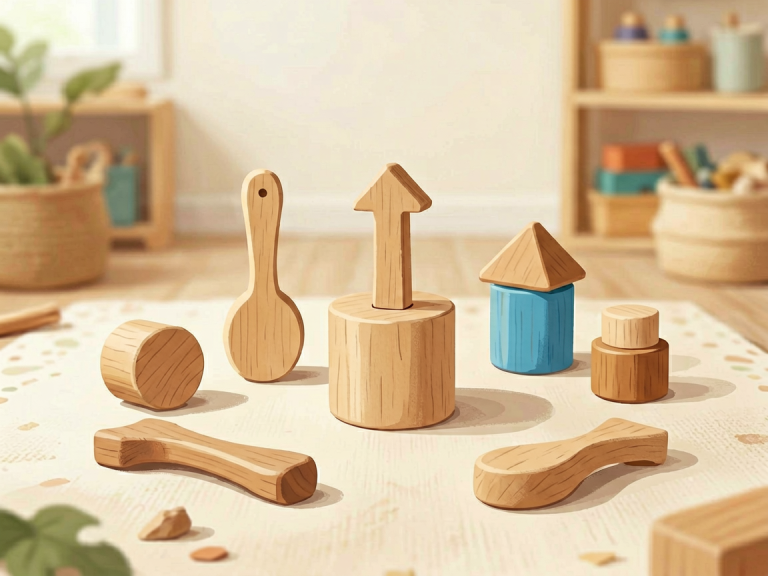
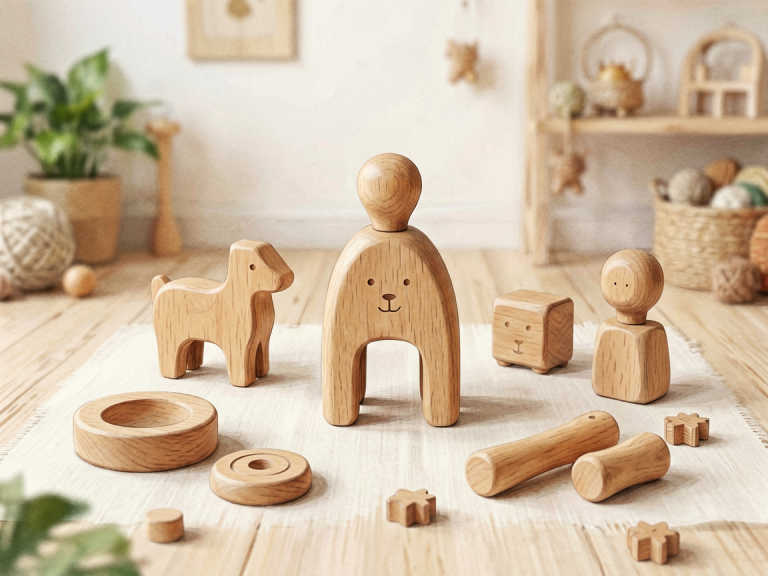
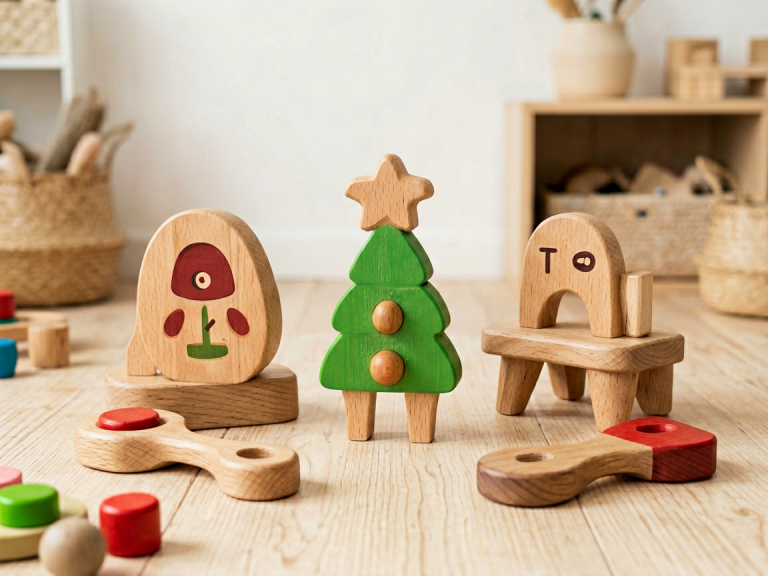
There is a growing market for affordable, non-plastic toys. Cardboard construction kits, wooden puzzles, fabric dolls, and metal cars are often priced competitively with cheap plastic items, especially when bought secondhand. Thrift stores, garage sales, and online marketplaces are treasure troves for durable toys at low prices. For a 7-year-old, consider classic toys like dominoes, marble runs, or simple science kits that use cardboard and natural materials. These alternatives not only reduce plastic waste but also introduce different sensory experiences.
Conclusion: Beyond the Price Tag
Buying cheap plastic toys for a 7-year-old is not inherently wrong—it can be a practical solution for parents facing limited funds or a child’s fleeting whims. However, the true cost of these toys extends far beyond the dollar amount on the sticker. It includes potential health risks, environmental damage, missed developmental opportunities, and the subtle messages we send about consumption and value. By pausing before each purchase, asking whether the toy will safely engage a 7-year-old’s growing mind, and considering more sustainable options, parents can transform a simple shopping decision into a powerful lesson in mindfulness. The best toy for a child is not necessarily the cheapest or the shiniest—it is one that sparks joy, invites creativity, and lasts long enough to be cherished, not discarded. In a world drowning in plastic, the most radical gift we can give our children is the ability to choose well.