The Hidden Cost of Cheap Plastic Toys: A Parent’s Guide to Buying for Four-Year-Olds
Introduction
The bright,Primary colored aisles of discount stores and online marketplaces are a siren’s call for parents of four-year-olds. At this age, children are bursting with curiosity, energy, and a rapidly developing imagination. They want the latest cartoon character figurine, the shiny plastic car that makes loud noises, or the bulk pack of dinosaur-shaped erasers. The price tag is often irresistibly low: a few dollars for a bag of toys that promises hours of entertainment. For many families, especially those on tight budgets, buying cheap plastic toys for 4 year olds feels like a practical, even necessary, choice. However, beneath the surface of these affordable playthings lies a complex web of environmental, health, developmental, and economic implications that every parent should understand before making that purchase.
This article explores the multifaceted reality of buying inexpensive plastic toys for preschoolers. We will examine the immediate allure, the hidden dangers, the impact on child development, the environmental toll, and ultimately, offer practical guidance for making smarter, safer, and more sustainable choices. By the end, you will be equipped with the knowledge to navigate the toy aisle with confidence, balancing your child’s joy with their long-term wellbeing.
The Immediate Allure: Why We Are Drawn to Cheap Plastic Toys
The appeal of cheap plastic toys for four-year-olds is undeniably powerful. First and foremost is the cost. A pack of six plastic cars may cost less than a single high-quality wooden train. For parents managing household expenses, this is a significant advantage. It allows children to have a “treasure box” of toys without breaking the bank. Additionally, four-year-olds are notorious for losing, breaking, or outgrowing toys quickly. Spending a lot on a single item that might be neglected after a week feels wasteful. Cheap toys, therefore, seem like a low-risk investment.
Another factor is the sheer variety and novelty. Mass-produced plastic toys are often based on the latest movies, TV shows, or viral trends. A four-year-old who loves a particular cartoon character can instantly own a plastic version of that character for a few dollars. This instant gratification satisfies the child’s current obsession and gives them something to share with friends. Furthermore, these toys are often bright, colorful, and interactive—they light up, make sounds, or have moving parts, which can captivate a young child’s attention in ways simpler toys sometimes cannot.
There is also the social pressure. Other children in daycare or preschool might bring these toys for show-and-tell. Parents want their child to fit in and feel included. A cheap plastic toy becomes a ticket to belonging. However, understanding the psychological and practical reasons behind this allure is only the first step. The real question is whether the benefits outweigh the costs.
Potential Health and Safety Risks: What Lurks in the Plastic
When buying cheap plastic toys for a four-year-old, the most critical concern is safety. At age four, children still put objects in their mouths, though less frequently than toddlers. They are also more mobile, more curious, and more likely to take toys apart. Cheap toys often bypass rigorous safety testing. They may contain phthalates, lead, cadmium, or other toxic chemicals used to soften plastic or add color. Numerous recalls have occurred over the years for toys found to have excessive levels of these substances. Prolonged exposure can lead to developmental delays, hormonal disruptions, and other health issues.
Moreover, cheap plastic toys frequently have small parts that can break off easily. A four-year-old’s airway is still small; a swallowed button battery or a snapped-off wheel can cause choking or internal injury. The plastic itself may be brittle and break into sharp pieces. There is also the issue of strangulation hazards from long cords or strings attached to toys. Even if the toy seems harmless, the lack of quality control in manufacturing means that a small defect—a rough edge, a loose screw, a poorly attached nose on a plastic animal—can turn a plaything into a hazard.
Another often-overlooked danger is the accumulation of bacteria. Plastic toys, especially those with crevices, holes, or electronic compartments, are notoriously difficult to clean. A four-year-old’s toy that is passed around among friends, dropped on the floor, and occasionally mouthed can become a breeding ground for germs. Unlike wooden or silicone toys, many cheap plastics are not dishwasher-safe and degrade with harsh cleaning agents. Over time, the toy may become discolored, sticky, or even develop mold in hidden cavities, posing a continuous health risk.
Developmental Impact: Do Cheap Plastic Toys Nurture or Stifle Imagination?
At age four, children are in a golden age of imaginative play. They create elaborate stories, assign roles, and build worlds. The type of toys they interact with can either stimulate or limit this creativity. Cheap plastic toys are often highly prescriptive. A plastic figurine of a specific movie character comes with a fixed identity and backstory. A plastic fire truck that makes a pre-recorded siren sound leaves little room for the child to invent the sound themselves. These toys “play themselves” rather than inviting the child to be the active creator.
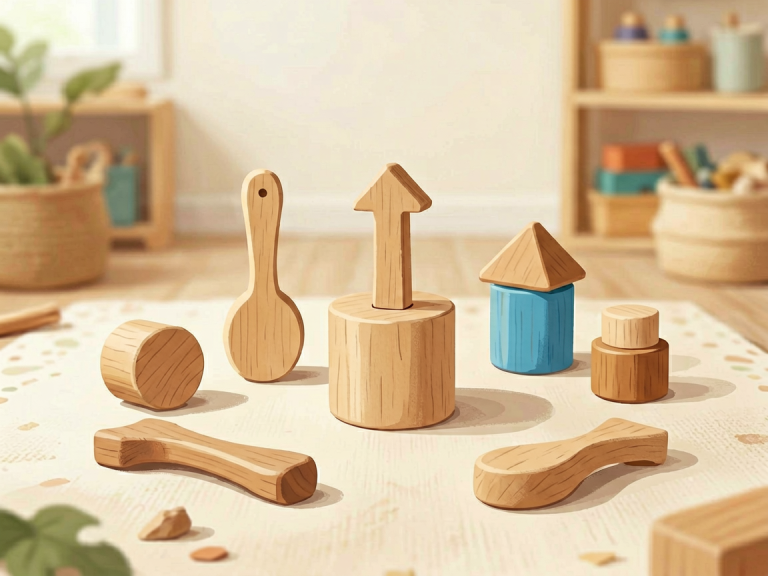
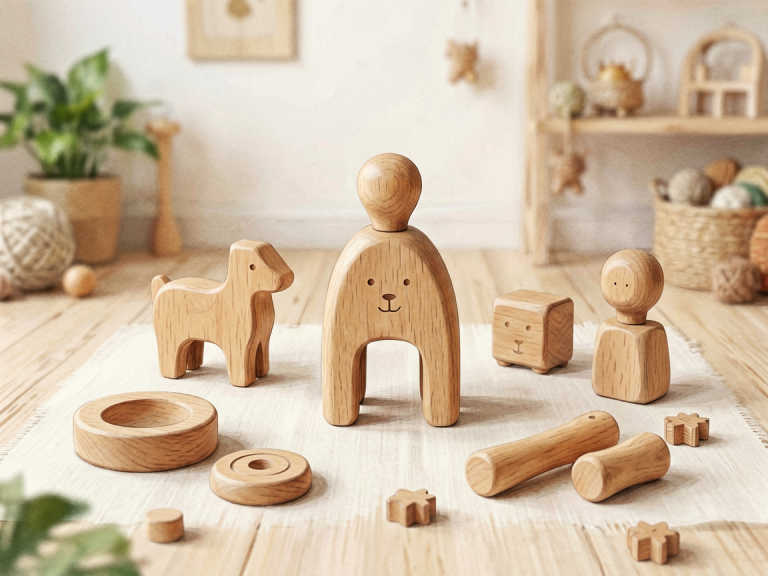
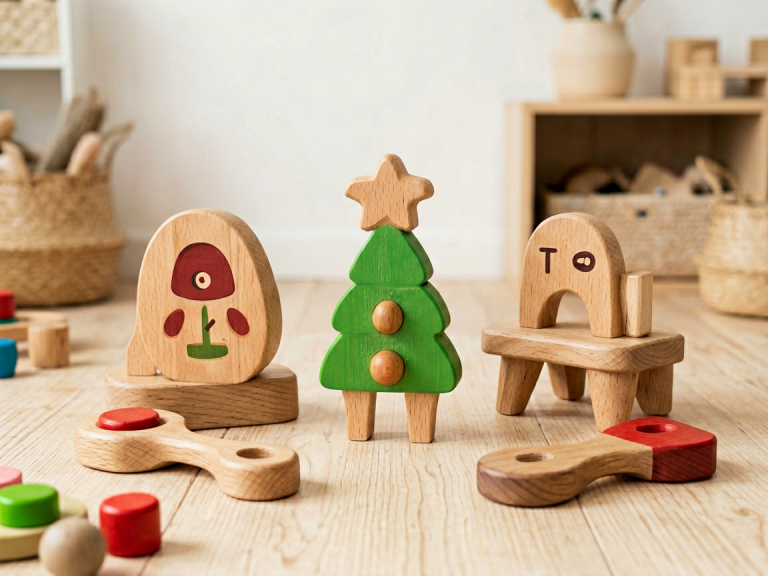
In contrast, open-ended toys like blocks, simple dolls, or natural materials encourage children to use their imagination, problem-solving skills, and language abilities. A cheap plastic toy that breaks easily can also lead to frustration. A four-year-old who watches a wheel fall off a new toy may feel disappointment and anger, which can affect their emotional regulation. Furthermore, the constant novelty of cheap toys—a new one every week—can train a child’s brain to seek instant gratification and become bored quickly with any single item. This can hinder the development of sustained attention and deep engagement, skills that are crucial for later learning.
There is also the issue of sensory experience. Many cheap plastic toys have a uniform texture—smooth, cold, and artificial. They lack the warmth of wood, the natural grain of fabric, or the varied textures of natural materials. For a four-year-old’s developing sensory system, this monotony can be limiting. Some studies suggest that too much exposure to synthetic materials can contribute to sensory processing issues, though more research is needed. However, it is clear that a diet of exclusively plastic toys does not offer the rich tactile variety that a child’s developing brain needs.
Environmental and Economic Consequences: The True Price Tag
On the surface, a $2 plastic toy seems like a bargain. But when you consider the full lifecycle, the cost is much higher. Most cheap plastic toys are made from non-renewable petroleum-based plastics. They are manufactured in factories that may have lax environmental regulations, contributing to pollution and carbon emissions. Once the toy is broken or discarded—which, for a four-year-old, often happens within weeks or months—it typically ends up in a landfill. Many plastics take hundreds of years to decompose, leaching chemicals into the soil and water. Recycling plastic toys is difficult because they are often made of mixed materials, have electronic components, or are too small to sort.
For families, the economic cost also adds up. Buying a $3 toy every week may seem cheap, but over a year that totals $156, and the child ends up with a pile of broken, forgotten plastic. That same amount could buy a single high-quality, durable toy that lasts for years and can even be passed down to a sibling. The “fast fashion” model applied to toys creates a cycle of consumption and waste that is financially unsustainable and environmentally damaging.
Moreover, the cheap plastic toy industry often relies on labor practices that are questionable. To keep prices low, manufacturers may use underpaid workers in unsafe conditions. By buying these toys, we inadvertently support an exploitative system. As ethical consumers, we have a responsibility to consider the human cost behind the low price.
Practical Strategies for Smart Toy Buying for Four-Year-Olds
So, does this mean parents should never buy cheap plastic toys? Not necessarily. There are times when a plastic toy is appropriate—for example, a small, non-toxic bath toy or a simple plastic puzzle piece that does not have electronic features. The key is to be intentional. Here are several strategies to help you make better choices:
- Prioritize safety certifications. Look for toys that carry marks from reputable testing organizations, such as ASTM (American Society for Testing and Materials), EN71 (European standard), or the CE mark. Avoid toys that have a strong chemical smell, feel greasy, or have paint that flakes off easily.
- Check for small parts. Even if the toy is marketed for ages three and up, inspect it yourself. Are there any pieces that could become loose? Are batteries securely enclosed with a screw? Does the toy have sharp edges? Your own judgment is invaluable.
- Focus on open-ended play. Instead of buying a character-specific figurine, consider plastic building bricks (like basic LEGO duplo) that encourage creativity. Plastic animal sets (non-licensed) can be used in many scenarios. Choose toys that allow the child to decide how to play, rather than dictating a single storyline.
- Limit the number of electronic toys. Those that flash, beep, and talk may entertain for a few minutes but often break quickly and leave little room for imagination. Reserve electronic toys for special occasions or specific learning purposes, and choose ones with volume control and replaceable batteries that are easy to remove.
- Buy second-hand or swap. Plastic toys have a long lifespan. Thrift stores, garage sales, and online marketplaces are full of gently used plastic toys at a fraction of the retail price. You can inspect them for safety before buying, and you avoid supporting new production. Organize toy swaps with other parents to refresh your child’s collection without spending money.
- Teach your child about care. A four-year-old can learn to be gentle with toys. Explain that toys last longer if they are not thrown or stepped on. Involve them in cleaning and storing toys. This builds responsibility and extends the life of even cheap toys.
- Balance with natural materials. Even if you buy some plastic toys, ensure your child also has access to wooden blocks, fabric dolls, clay, and outdoor play. A mix of materials provides a richer sensory and developmental experience.
- Set a “toy budget” and a “toy limit.” Decide how many new toys your child can receive per month or per season. This prevents clutter and teaches the value of each item. When a toy breaks, repair it if possible. Show your child that fixing is better than replacing.
Conclusion
Buying cheap plastic toys for a four-year-old is a decision that intersects with health, development, environment, and ethics. While the low price and instant appeal are tempting, the hidden costs—in safety risks, stifled creativity, environmental damage, and long-term financial waste—are significant. As parents, we are not expected to be perfect. We will inevitably buy some cheap plastic toys, and that is okay. The goal is not to eliminate them entirely but to be conscious consumers.
Every time you reach for that brightly colored, low-cost toy, pause. Ask yourself: Is it safe? Will it engage my child’s imagination? How long will it last? Where will it end up? By making informed choices, you can provide your four-year-old with a toy collection that is joyful, safe, and sustainable. You can teach them, through your example, that value is not measured by price alone, but by the thoughtfulness with which we choose what enters our homes. In the end, the best toy for a four-year-old is one that sparks wonder, withstands a little rough play, and doesn’t cost the earth—literally or metaphorically.