The Hidden Costs of Cheap Plastic Toys: A Parents Guide for 6-Year-Olds
Walk into any discount store, dollar store, or online bargain bin, and you will find them: bright, colorful, impossibly cheap plastic toys, often packaged in flimsy cardboard and promising hours of fun. For parents of 6-year-olds, the temptation is almost irresistible. At this age, children’s desires are fleeting—one day it’s a superhero figure, the next it’s a light-up spinning top. Spending five dollars on a toy that will be forgotten by the weekend seems wasteful, so why not spend one dollar on something that will likely break just as quickly? The logic seems sound, but the reality is far more complex. Buying cheap plastic toys for 6-year-olds is a practice that carries hidden costs—for your child’s health, for their development, for the planet, and even for your own wallet in the long run. This article unpacks the reasons behind the allure of these inexpensive playthings, examines the risks, and offers practical guidance for making smarter choices.
The Allure of Inexpensive Plastic Toys
To understand why cheap plastic toys dominate the market for young children, we must first appreciate their appeal. For parents, the price tag is the most obvious draw. A pack of four plastic dinosaur figures for two dollars feels like a steal compared to a single wooden animal for ten dollars. When a 6-year-old loses interest in a toy after a week—a developmentally normal behavior driven by their rapidly expanding curiosity—the low cost makes the loss easier to stomach. Furthermore, these toys are everywhere. They line the checkout aisles of grocery stores, fill the shelves of party favor shops, and appear as impulse buys in online shopping carts. Their ubiquity normalizes them. For children, the appeal is different: cheap plastic toys are often brightly colored, licensed with popular cartoon characters, and designed to make noise or light up. These features trigger immediate sensory gratification, which is highly attractive to a 6-year-old’s developing brain. The combination of low parent resistance and high child desire creates a powerful cycle. Yet this cycle often masks deeper issues.
Safety Concerns: What Lurks Beneath the Surface
The most pressing concern with cheap plastic toys is safety. Unlike higher-quality toys that must meet strict safety standards in countries like the United States, European Union nations, or Japan, many inexpensive plastic toys are manufactured in regions with lax regulations. They may contain hazardous chemicals such as phthalates, lead, cadmium, or bisphenol A (BPA). Phthalates, used to soften plastic, have been linked to hormonal disruptions in children. Lead, even in small amounts, can cause developmental delays and cognitive impairment. A 6-year-old, who still puts objects in their mouth from time to time and frequently handles toys with unwashed hands, is particularly vulnerable. In 2021, the U.S. Public Interest Research Group (PIRG) tested a range of cheap toys and found that several contained lead levels exceeding legal limits. Beyond chemical hazards, cheap plastic toys are prone to breaking into sharp pieces or small parts that pose choking risks. A flimsy plastic car wheel that pops off, a brittle superhero arm that snaps, or a small battery compartment that opens without a screw—these are not just annoyances; they are emergencies waiting to happen. Parents often assume that any toy sold in a store is safe, but the reality is that enforcement of safety standards is uneven, especially for imports sold through third-party online marketplaces.
The Environmental Impact of Disposable Playthings
Cheap plastic toys are almost always designed for disposability. They are made from low-grade plastics that cannot be recycled effectively—or at all. Most municipal recycling programs do not accept toys because they are composed of mixed materials (plastic, metal, paint, batteries). As a result, these toys end up in landfills, where they can take hundreds of years to decompose, leaching chemicals into the soil and water. For a 6-year-old, the concept of environmental stewardship is not yet fully formed, but the habits we model now will shape their future behaviors. Buying a stream of cheap plastic toys teaches children that objects are temporary, expendable, and replaceable. It reinforces a "throwaway culture" that is unsustainable. Moreover, the production of these toys consumes fossil fuels, generates carbon emissions, and often exploits labor in low-wage countries. Consider this: a single plastic toy that costs one dollar might have a carbon footprint that far exceeds its price tag. Multiply that by the hundreds of such toys a child accumulates over a few years, and the environmental cost becomes staggering. For environmentally conscious parents, this is a heavy burden—one that is easy to overlook in the moment of a child’s pleading eyes.
Developmental Considerations: Quality over Quantity
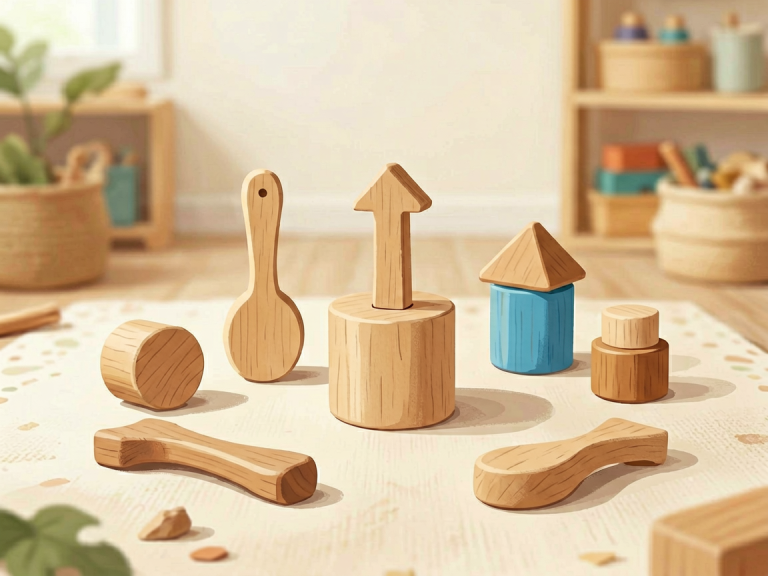
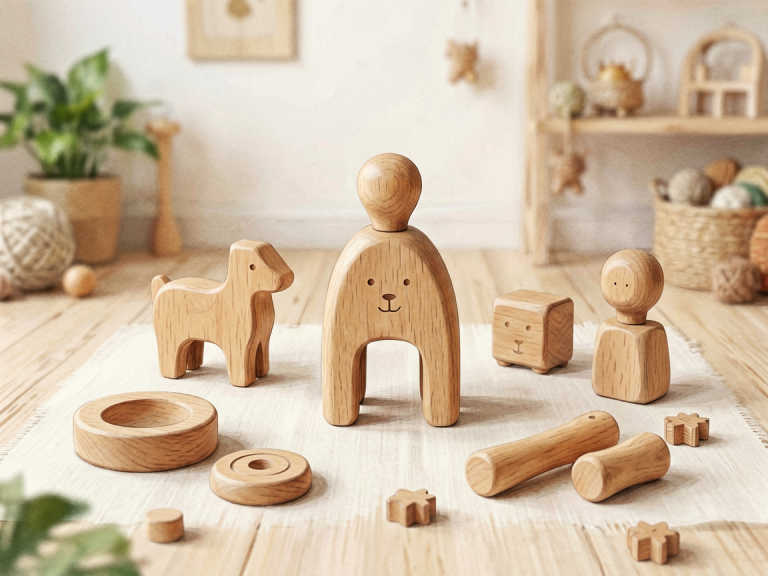
Beyond safety and environment, there is a developmental dimension to consider. A 6-year-old is in a critical phase of cognitive, social, and motor skill development. High-quality toys—whether they are wooden blocks, magnetic building sets, art supplies, or complex puzzles—encourage open-ended play, creativity, problem-solving, and fine motor control. Cheap plastic toys, by contrast, often offer limited play value. They frequently break or fail to function as intended, leading to frustration rather than joy. Many are gimmicky: they rely on flashing lights or loud sounds to capture attention, but they do not invite the child to imagine, build, or explore. A 6-year-old playing with a cheap plastic action figure that cannot move its limbs learns little about cause and effect, storytelling, or physical mechanics. In contrast, a simple set of wooden blocks can be used to build a castle, a spaceship, or a bridge—limited only by the child’s imagination. Research in developmental psychology supports the idea that fewer, higher-quality toys lead to deeper engagement and longer attention spans. When a child has too many cheap toys, they can become overwhelmed and unable to focus, a phenomenon known as "toy overload." The child flits from one broken, noisy item to the next, never truly immersed in play. For parents seeking to foster concentration, creativity, and resilience, investing in durable, meaningful toys is far more effective than filling a toy box with disposable plastic.
Strategies for Smart Toy Shopping
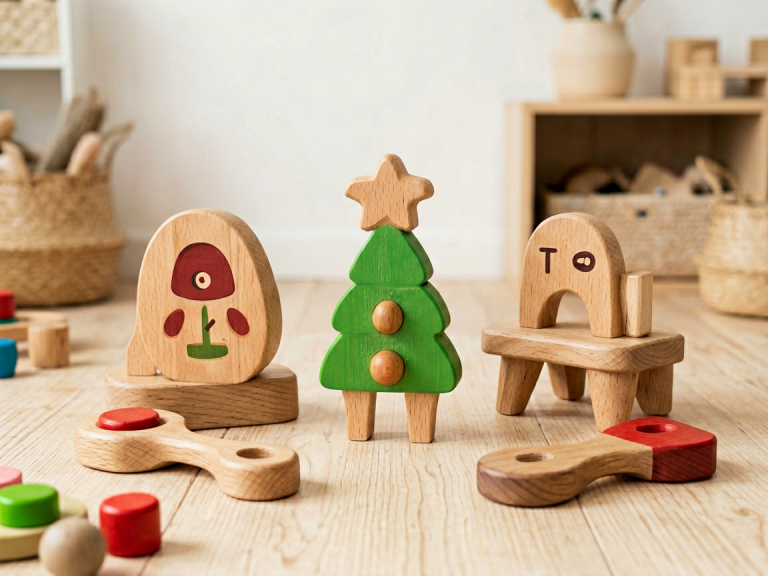
So, what is a parent to do? The solution is not to swear off all plastic toys—some high-quality plastic toys are perfectly safe and durable—but to adopt a more thoughtful approach. First, prioritize materials. Look for toys made from natural materials like wood, cotton, or metal, or from high-grade, BPA-free, phthalate-free plastics that are clearly labeled. Second, check for safety certifications. In the U.S., look for "ASTM" or "CPSC" compliance; in Europe, look for the "CE" mark or "EN71" testing. Third, consider secondhand toys. Thrift stores, garage sales, and online marketplaces often have well-made toys at low prices. These toys have already gone through the initial off-gassing period and have proven their durability. Fourth, embrace the concept of "fewer, better." Instead of buying ten cheap toys for a birthday, buy two high-quality toys that will last for years. Finally, educate your child. Explain that some toys are made in ways that are not good for the earth or for their bodies. Even a 6-year-old can understand a simple version of this message. Involve them in choosing toys that are "healthy for the planet" and "strong so they don't break." This not only reduces the demand for cheap plastic but also instills values that your child will carry into adulthood.
Conclusion: Choosing Mindfully for Lasting Joy
Buying cheap plastic toys for 6-year-olds is a practice rooted in understandable convenience and budget constraints. However, the true cost extends far beyond the dollar amount. From potential health hazards to environmental degradation, from developmental trade-offs to the reinforcement of a disposable mindset, the hidden burdens are significant. As parents, we are constantly bombarded with marketing messages that equate more toys with more happiness. Yet the evidence suggests otherwise: children cherish well-chosen, durable, and engaging toys far more than a pile of broken plastic. The next time your 6-year-old begs for a cheap plastic toy at the checkout counter, pause. Consider the alternatives. Perhaps offer a small book, a pack of crayons, or a promise of time spent together building a fort. In doing so, you are not just saving a few dollars—you are investing in your child’s health, the planet’s future, and the deeply satisfying quality of meaningful play. And that is a gift that no cheap plastic toy can ever provide.