The Hidden Costs of Buying Cheap Plastic Toys for 3-Year-Olds: A Parent’s Dilemma
Introduction
Walk into any discount store, dollar shop, or online bargain bin, and you’ll find them: bright, clattering plastic toys priced so low they seem irresistible. For parents of three-year-olds, the temptation is especially strong. At this age, children’s interests shift rapidly; a toy that fascinates them today may be ignored tomorrow. The logic seems sound: why spend $30 on a wooden puzzle when a $3 plastic play set can provide the same fleeting joy? Yet beneath the surface of this economical choice lies a web of concerns—developmental, safety-related, environmental, and even financial—that every parent should examine carefully. This article explores the real implications of buying cheap plastic toys for toddlers, offering a balanced look at the allure, the risks, and the smarter alternatives.
The Allure of Affordability
The most obvious reason parents reach for cheap plastic toys is cost. A three-year-old’s playroom is a constantly evolving space. From birthdays to holidays, to the simple “I want that” during a grocery run, the volume of toys can quickly overwhelm both the budget and the home. Cheap plastic toys—often sold in multipacks or as party favors—appear to solve this problem. They allow parents to satisfy a child’s desire for novelty without guilt. Moreover, many families live on tight budgets, and spending $5 on a toy seems far more justifiable than $20 or $30.
But the low price tag masks a hidden economic reality. Cheap plastic toys are often poorly made. They break easily, sometimes within days or even hours. When a wheel falls off a plastic car or a button snaps off a singing phone, the toy becomes trash—and the parent is back at the store buying a replacement. Over the course of a year, the cumulative cost of five or ten cheap toys can easily exceed that of one well-made, durable toy. This phenomenon is sometimes called the “boots theory” of economics: buying cheap repeatedly often costs more in the long run than investing in quality once.
Developmental Considerations: More Than Just Entertainment
At age three, children are in a critical phase of cognitive, motor, and social development. They are learning cause and effect, practicing fine motor skills, engaging in imaginative play, and beginning to understand social roles. The toys they interact with can either support or hinder these developmental milestones.
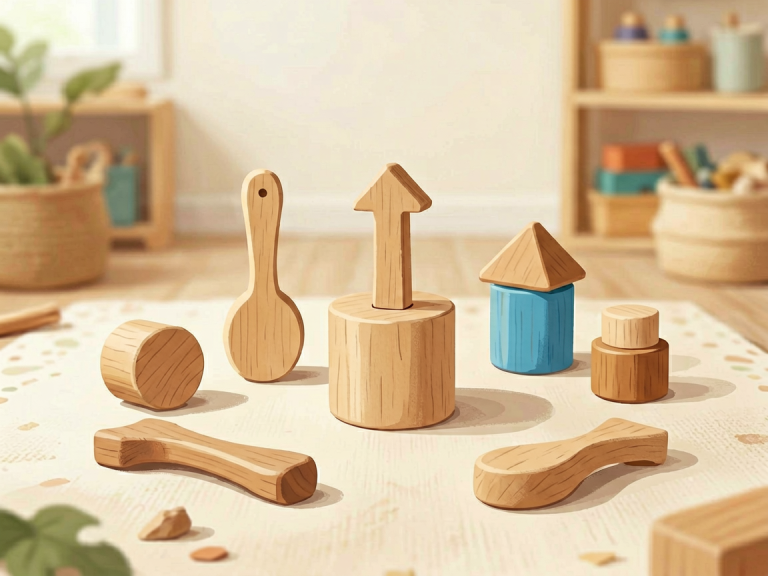
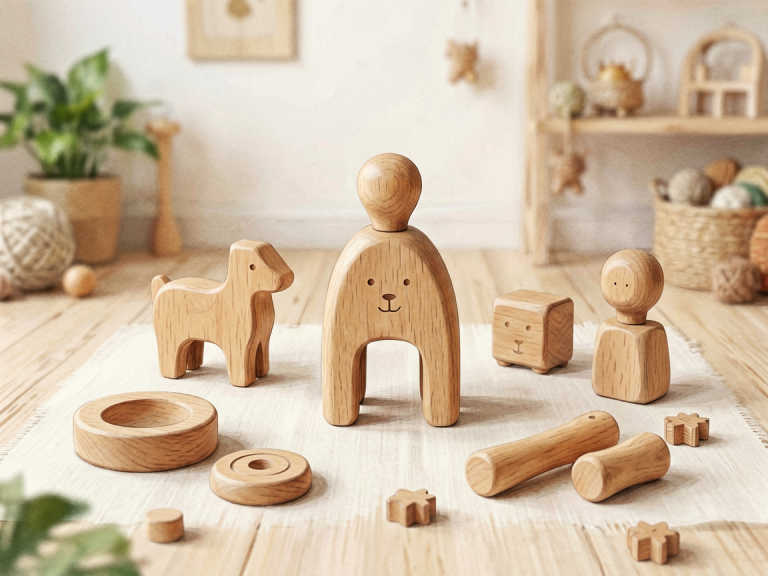
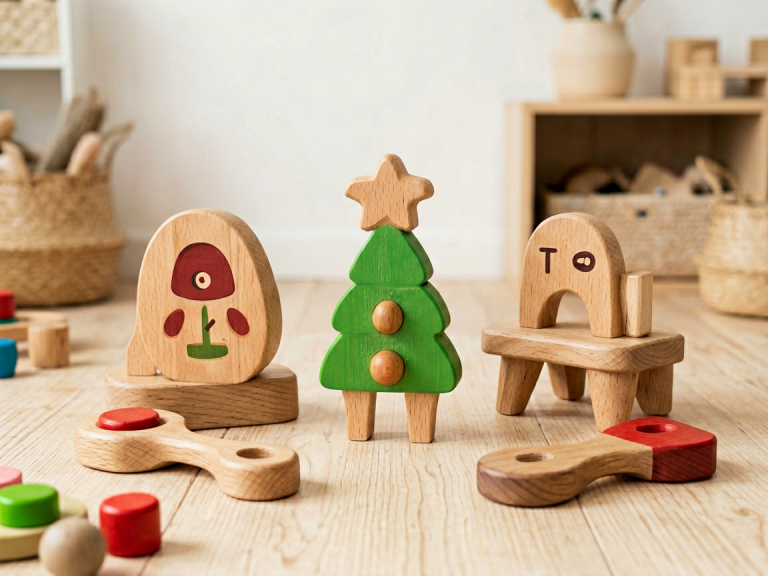
Cheap plastic toys often feature loud noises, flashing lights, and overly simple mechanisms. Many are battery-operated and designed to entertain the child passively—the toy does the work while the child merely watches. For example, a cheap plastic robot that blinks, moves, and emits pre-recorded phrases may hold a child’s attention for a few minutes, but it doesn’t require any active thinking, problem-solving, or creativity. In contrast, open-ended toys like wooden blocks, simple puzzles, or art supplies encourage a three-year-old to plan, create, and explore.
Furthermore, cheap plastic toys frequently have small parts that are not well-attached. While choking hazards are a safety issue (discussed below), they also affect play quality. A toy that breaks mid-play can frustrate a toddler and interrupt the flow of learning. Imaginative play suffers when a toy’s function is limited to a single pre-programmed action. For instance, a plastic fire truck that only makes a siren sound when a button is pressed leaves little room for a child to pretend the truck is racing to a fire or rescuing a kitten. A simpler, sturdier toy truck without electronics can become anything in a child’s mind.
Safety Concerns: What Lurks Beneath the Surface
Perhaps the most alarming aspect of cheap plastic toys for three-year-olds is the potential safety hazard. Manufacturing standards vary widely across countries and suppliers. Toys sold at extremely low prices are often produced with minimal quality control, using materials that may contain phthalates, lead, BPA, or other toxic chemicals. These substances can be especially harmful to young children, who frequently put toys in their mouths.
Small parts are another major risk. When a cheap plastic toy breaks—and it will—it often leaves behind sharp edges or tiny components that can be easily swallowed. Despite labeling that says “for ages 3+,” many discount toys have not undergone rigorous safety testing. A study by the U.S. Public Interest Research Group (PIRG) found that some inexpensive toys sold at dollar stores exceed legal limits for toxic chemicals. Even if the risk is low in a single toy, the cumulative exposure from multiple cheap toys can be concerning.
Additionally, many cheap plastic toys are not designed for rough toddler play. A three-year-old may throw, drop, step on, or even bite a toy. Inexpensive plastics can shatter into sharp shards, posing a cutting risk. Batteries in low-cost electronic toys may be accessible without a screwdriver, presenting a swallowing and chemical burn hazard. For parents, the price tag of a cheap toy is not worth a trip to the emergency room.
Environmental Impact: The Trash That Keeps Accumulating
The environmental cost of cheap plastic toys is staggering. Most are made from non-recyclable or hard-to-recycle plastics, and they have an extremely short lifespan. Because they are not designed for durability, they quickly end up in landfills. According to the Ellen MacArthur Foundation, the toy industry contributes significantly to global plastic waste, with many toys used for only a few months before being discarded.
Three-year-olds, by nature, are not gentle on toys. A cheap plastic toy may be in the trash within a week. Multiply that by hundreds of millions of toddlers worldwide, and the environmental footprint becomes enormous. Unlike wooden or fabric toys, which can be passed down, donated, or eventually biodegraded, cheap plastic toys have no second life. They become permanent pollution.
Moreover, the production of these toys often involves energy-intensive processes and shipping from distant factories, adding to their carbon footprint. Buying a cheap plastic toy might save a few dollars today, but it contributes to a problem that costs society—and the planet—far more in the long term.
The Illusion of Variety vs. Deep Engagement
One of the hidden traps of buying cheap plastic toys in bulk is the illusion that “more is better.” Parents may believe that offering a wide variety of cheap toys will stimulate their child’s creativity. In reality, research by child development experts suggests the opposite. Too many toys can overwhelm a three-year-old, leading to shorter attention spans and less deep engagement. When toys are plentiful and easily replaced, children may learn to value novelty over mastery. They flit from one object to another, never truly exploring the possibilities of any single toy.
In contrast, a smaller collection of high-quality, open-ended toys encourages repetitive play, which is essential for learning. A three-year-old who has only a set of durable building blocks may build and rebuild towers, bridges, and houses, learning about balance, symmetry, and gravity in the process. The same child with a bin full of cheap plastic action figures, cars, and noise-making gadgets may simply press buttons and discard each item after a few seconds. The cheap toys, ironically, can impoverish the play experience.
When Cheap Makes Sense: Exceptions and Strategies
All that said, cheap plastic toys are not universally bad. There are situations where they can be perfectly appropriate. For example, beach toys, bathtub toys, or toys intended for outdoor use in sand or mud will likely get dirty, lost, or destroyed regardless of quality. In such cases, a low-cost plastic shovel or bucket is sensible. Similarly, party favors or toys for a one-time event, like a playdate or a short car trip, can be fine if safety is ensured.
The key is to be selective. Before buying a cheap plastic toy, ask: Is it sturdy? Does it have removable small parts? Does it require batteries? Is it likely to break within a few uses? Does it offer open-ended play potential? If the answer to any of these is concerning, it may be better to skip it. Parents can also look for toys made from safer materials, even if they are plastic—some brands use BPA-free plastics and have passed safety certifications. Buying secondhand high-quality toys from thrift stores or online marketplaces can also be a cost-effective and environmentally friendly alternative.
Conclusion: Make Every Toy Count
Buying cheap plastic toys for a three-year-old is a decision that goes beyond the checkout line. It involves weighing immediate affordability against long-term costs—financial, developmental, safety-related, and environmental. While the lure of a dollar-store toy is understandable, parents are wise to think critically about what their child truly needs. At age three, a child does not need a mountain of cheap, short-lived distractions. They need toys that are safe, durable, engaging, and designed to grow with their imagination.
The next time you reach for that bright, cheap plastic toy, pause and consider: Will this toy enrich my child’s day, or will it be broken, ignored, and thrown away tomorrow? Often, the best toys are the simplest ones—ones that invite a child to build, pretend, and discover. And sometimes, the best choice is to buy nothing at all, and instead let a cardboard box or a pile of leaves spark the most creative play of all.