Dolls vs. Plush Toys: Which One Should You Choose? A Detailed Examination
Introduction
The question “Should I buy dolls or plush toys?” might seem trivial at first glance, but it touches upon deeper aspects of human psychology, nostalgia, and practical utility. Whether you are a parent selecting a gift for a child, a collector curating a display, or simply an adult seeking comfort, the choice between dolls and plush toys carries significant weight. Both categories have passionate advocates, and each offers distinct emotional and functional benefits. This article aims to provide a thorough, balanced analysis to help you make an informed decision. We will explore the unique characteristics of dolls and plush toys, compare their advantages and disadvantages, and consider factors such as age, purpose, personal preference, and long-term value. By the end, you will have a clear framework for deciding which type of soft companion best suits your needs.
The Appeal of Dolls
1. Aesthetic and Artistic Value
Dolls have long been celebrated as miniature works of art. From intricately painted porcelain faces to hand-sewn cloth bodies, dolls often embody a high level of craftsmanship and detail. Many collectors prize dolls for their realism—some are designed to look like historical figures, fictional characters, or even lifelike infants. This artistic dimension makes dolls particularly appealing to those who appreciate fine design, fashion, or narrative storytelling. For example, a well-made ball-jointed doll (BJD) can be customized with different wigs, eyes, and outfits, offering an endless canvas for creative expression. In contrast, plush toys, while often adorable, rarely achieve the same level of sculptural intricacy or poseability.
2. Developmental and Educational Benefits
For children, dolls can play a crucial role in social and emotional development. Through pretend play with dolls, children practice nurturing behaviors, empathy, and communication. They learn to “care” for their doll—feeding, dressing, and soothing it—which mirrors real-life interactions and helps build emotional intelligence. Dolls also encourage storytelling, as children invent scenarios and dialogues, thereby enhancing language skills and imagination. Research in developmental psychology suggests that doll play activates brain regions associated with social processing, even when children play alone. Furthermore, dolls with diverse skin tones, disabilities, or gender-neutral features can foster inclusivity and self-awareness.
3. Collectibility and Investment Potential
The world of doll collecting is vast, with communities dedicated to vintage Barbie, fashion dolls, porcelain dolls, and even limited-edition artist dolls. Some rare dolls appreciate significantly in value over time, making them a potential investment. The secondary market for certain dolls—such as early Barbie models or signed OOAK (One of a Kind) dolls—can command high prices. However, this aspect also requires careful research and preservation (e.g., keeping dolls in original boxes, avoiding sunlight exposure). While not all dolls are investments, those with rarity and historical significance can be a rewarding long-term pursuit for serious collectors.
The Charm of Plush Toys
1. Unmatched Comfort and Tactile Appeal
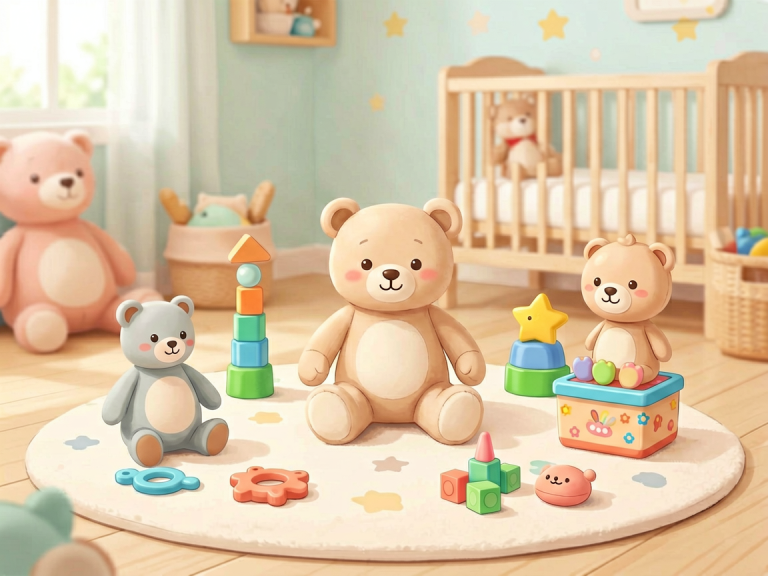
Plush toys, often called stuffed animals or soft toys, are primarily designed for hugging, cuddling, and physical comfort. Their soft fabric, fluffy filling, and gentle weight provide a soothing sensory experience that dolls generally cannot replicate. For many people, a plush toy is a source of emotional security—a “transitional object” that helps alleviate anxiety, loneliness, or stress. Studies have shown that stroking soft textures can lower cortisol levels and promote relaxation. This tactile soothing is especially important for young children, who often develop strong attachments to a specific stuffed bear or bunny. Adults too turn to plush toys for comfort during tough times, and the market for high-end, weighted plush animals has grown rapidly in recent years.
2. Versatility and Affordability
Plush toys come in an almost infinite variety of sizes, shapes, and characters—from realistic wildlife to fanciful creatures and popular licensed figures from movies, video games, and anime. They are generally more affordable than high-quality dolls, making them accessible as gifts for multiple occasions. Moreover, plush toys are typically softer and less fragile than dolls; they can be tossed, washed (many are machine-washable), and squeezed without worry of breakage. This durability makes them ideal for active play, travel, or as a comforting companion in bed. For parents, the lower cost and easy maintenance are practical advantages.
3. Nostalgia and Emotional Connection
Many people cherish a childhood plush toy that has become a lifelong keepsake. Unlike dolls, which may require careful handling, plush toys age with gentle wear that often enhances their sentimental value—a faded ear, a rubbed-away nose, a patch from repair—these imperfections tell a story. Plush toys are frequently associated with bedtime rituals, comfort zones, and happy memories. This deep emotional bond is why many adults continue to sleep with or display their childhood stuffed animals. The plush toy industry also capitalizes on nostalgia by re-releasing classic designs (e.g., Care Bears, Beanie Babies), further reinforcing their role as sentimental artifacts.
Comparative Analysis
1. Durability and Maintenance
In terms of durability, plush toys generally win. Most can withstand rough handling, machine washing, and years of hugs. Dolls, especially those made of porcelain, resin, or with delicate joints, require careful storage and gentle play. Even cloth dolls can be stained or torn more easily than a sturdy plush bear. If you are buying for a very young child who might chew, drop, or throw the item, a plush toy is the safer and more practical choice. For a child old enough to handle delicate items—or for an adult collector—a doll’s fragility is a minor trade-off for its beauty.
2. Play Patterns and Age Suitability
Dolls are often more suited to imaginative, role-playing scenarios that involve dressing, feeding, and storytelling. They tend to appeal to children around ages 3 to 8, but also to older tweens and adults who enjoy fashion or designing miniature worlds. Plush toys, on the other hand, are embraced by a wider age range—from infants (who find comfort in soft textures) to teenagers (who may collect anime plushies) to seniors (who appreciate a warm, huggable presence). For children who are primarily sensory or comfort-driven, plush toys are ideal. For those who love narrative-driven play, dolls offer greater opportunities for character development.
3. Social and Cultural Perceptions
Cultural norms sometimes influence the choice between dolls and plush toys. In many societies, dolls have historically been strongly gendered as “girls’ toys,” though this is changing with inclusive marketing and gender-neutral designs. Plush toys are perceived as more gender-neutral—a teddy bear is universally loved. However, both categories have passionate adult fan communities. The “doll community” is known for customizing, painting, and sewing; the “plush community” emphasizes collecting, trading, and sometimes “plushie therapy.” Neither is superior; your social environment and personal values will play a role.
Factors to Consider When Deciding
1. Purpose of the Purchase
Ask yourself: Is this primarily a gift for a child? A decorative item for a shelf? A therapeutic comfort object? A collectible investment? For comfort, choose plush. For artistic display or role-play, choose dolls. For a long-term collectible with potential value, research the doll market carefully. For a low-stress, everyday companion, a plush toy is hard to beat.
2. The Recipient’s Personality and Preferences
If you are buying for someone else, consider their tactile sensitivity, interests, and habits. A child who loves dressing up and narrating stories will likely enjoy a doll. A child who seeks comfort during separation anxiety may prefer a soft, huggable plush. Adults with a creative streak might relish the customization possibilities of BJDs. Adults who crave relaxation might find solace in a weighted plush cat or bear.
3. Budget and Longevity
While you can find affordable options in both categories, high-end dolls can cost hundreds or thousands of dollars, whereas even premium plush toys rarely exceed a few hundred dollars. Also consider longevity: a doll that is kept pristine may become an heirloom, but one that is played with roughly may not survive. A plush toy, though less “valuable” in monetary terms, often provides years of emotional support and may be passed down to the next generation as a cherished memento.
Conclusion
There is no universal right answer to “Should I buy dolls or plush toys?” The decision hinges on your specific needs, values, and context. If you prioritize artistic craftsmanship, poseable play, and potential investment, a doll may be your ideal companion. If you seek softness, emotional comfort, durability, and versatility, a plush toy is likely the better choice. Many people, of course, enjoy both worlds—a doll collection displayed on a shelf, alongside a plush bear on the bed. Ultimately, the best purchase is one that brings genuine joy and aligns with your lifestyle. Take time to reflect on what you—or the recipient—truly value: beauty, comfort, storytelling, or nostalgia. Whichever path you choose, your new friend—whether doll or plush—will enrich your life in its own special way.