Choosing Toys for 2-Year-Olds: A Guide to Fostering Focus
At two years old, a child is a whirlwind of curiosity, energy, and rapidly developing skills. They are no longer babies, but not quite preschoolers. Their play is their work, and the toys they interact with can significantly shape their cognitive growth, motor development, and—crucially—their ability to focus. In an age of flashing lights, loud sounds, and endless digital distractions, the concept of "focus" has become a priority for many parents. Yet for a two-year-old, focus is not about sitting still for long periods; it is about engaging deeply, if briefly, with a task that captures their interest. The right toys can nurture this emerging skill, while the wrong ones can fragment attention and encourage passive consumption. This article explores how to choose toys for 2-year-olds with a deliberate focus on fostering concentration, offering practical guidance for parents who want to turn playtime into a foundation for lifelong learning and attention.
Understanding the Two-Year-Old Mind
Before selecting toys, it is essential to understand the developmental landscape of a two-year-old. At this age, children experience a rapid expansion of language, memory, and problem-solving abilities. They are beginning to understand cause and effect, sorting by simple attributes like color and shape, and engaging in symbolic play—pretending a block is a phone or a spoon is a brush. Their attention span is naturally short, often lasting only a few minutes for structured tasks, though they may spend longer on self-directed play that fascinates them. This is also a period of intense emotional development, marked by tantrums and the struggle for independence. Toys that are too complex frustrate them; toys that are too simple bore them. The sweet spot lies in the "zone of proximal development"—items that present a slight challenge, encouraging trial and error without overwhelming the child. Moreover, a two-year-old learns through their senses: touching, tasting, hearing, and seeing. Therefore, the texture, weight, sound, and visual appeal of a toy matter greatly. A focus-oriented toy should invite exploration at the child’s own pace, not demand a specific outcome. It should also be safe, as two-year-olds are notorious for putting things in their mouths and testing the limits of physical durability.
Key Criteria for Toy Selection: Simplicity, Open-Endedness, and Safety
When aiming to foster focus, the first rule is to choose toys that are simple in design yet rich in possibilities. A toy with a single, fixed function—like a battery-operated robot that dances and talks—often captures attention through novelty alone, but that attention fades quickly and does not require the child to think. In contrast, a simple wooden car or a set of stacking rings allows the child to decide how to play, promoting sustained engagement and creativity. Look for open-ended toys: blocks, play silk, shape sorters, stacking cups, and simple dolls. These allow for multiple uses and can be revisited again and again with fresh ideas, which is the essence of deep focus. Safety is non-negotiable. For a two-year-old, avoid small parts that pose a choking hazard, sharp edges, toxic paints, and cords longer than 12 inches. Choose toys made of natural materials like wood, cotton, and non-toxic silicone when possible. Durable toys that withstand throwing, chewing, and banging are also more likely to remain part of a focused play session because the child is not constantly interrupted by breakage. Additionally, consider the size and weight—a toy that is too heavy or unwieldy can be frustrating, while a perfectly sized toy empowers the child to manipulate it independently. Finally, avoid toys that require batteries or screens. They overstimulate the developing brain and often encourage passive watching rather than active doing. For focus, the best toy is one that requires the child to supply the action.
Top Toy Categories That Encourage Focus
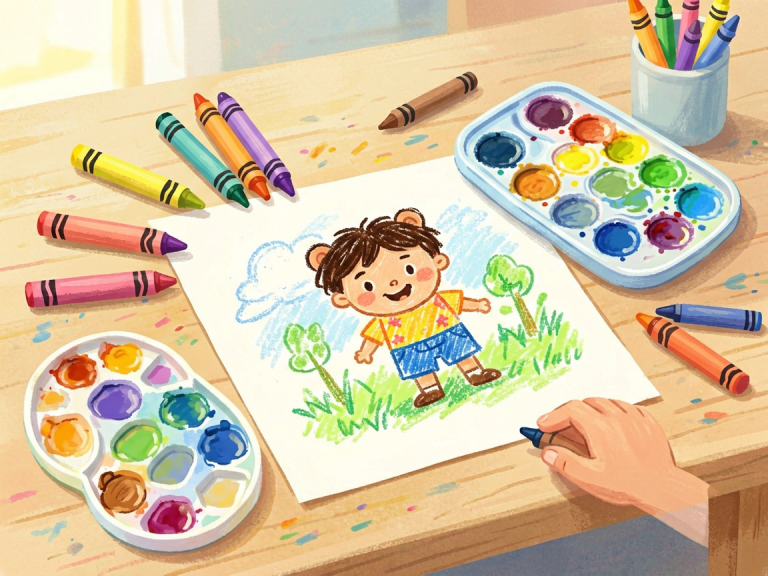
Several categories of toys are particularly effective at nurturing concentration in two-year-olds. The first is building and stacking toys. Wooden blocks, large Lego Duplo pieces, and nesting cups teach spatial awareness, balance, and patience. A child who repeatedly knocks down a tower and rebuilds it is practicing sustained attention and resilience. The repetitive action of stacking also calms the mind and helps a child enter a state of "flow," where time seems to disappear. The second category is puzzles and shape sorters. Simple single-piece puzzles with large knobs, or chunky puzzles with animal or vehicle shapes, require a child to visually discriminate shapes and match them to spaces. This task demands focus and hand-eye coordination, and the satisfying "click" of a correctly placed piece provides a built-in reward that motivates repetition. A shape sorter with a set of blocks (triangle, circle, square) is a classic that works wonders for attention. Third, art supplies such as chunky crayons, finger paints, and playdough encourage open-ended sensory exploration. When a two-year-old scribbles on a page, they are not just making marks; they are making decisions about color, pressure, and direction. Offering one or two art tools at a time, rather than a full kit, can help the child focus on the process. Playdough, in particular, allows for squeezing, rolling, and cutting, strengthening finger muscles and lengthening concentration. Fourth, pretend-play props like a play kitchen, a doll bed, or a set of plastic animals invite narrative thinking. A child who feeds a stuffed bear with a spoon is creating a story, which requires working memory and attention. Choose props that are simple and realistic enough to be recognized, but not overly detailed that they dictate the play. Finally, books with large, clear pictures are invaluable. While a book is not a toy in the traditional sense, the ritual of sitting together and looking at a few pages engages a child’s visual and auditory focus. Board books with flaps to lift or textures to touch can hold attention longer than ordinary picture books.
Toys to Avoid: The Focus Killers
Equally important as knowing what to choose is knowing what to avoid. Electronic toys with lights, sounds, and pre-programmed games are perhaps the biggest enemies of focus. Studies have shown that such toys reduce the quantity and quality of language between parents and children and lead to shorter play duration. The child becomes a spectator, waiting for the next jingle or flash, rather than an active agent. The constant external stimulation also raises the threshold of what the child finds interesting, making ordinary objects seem dull. Overly complex toys—those with too many buttons, parts, or rules—frustrate a two-year-old and cause them to abandon the activity quickly. If a toy has more than one or two functions, it may be better suited for an older child. Large, flashy plastic playsets (like a gas station with many pieces) are also problematic because they encourage dropping and scattering rather than meaningful manipulation. Finally, beware of the "toy box trap": having too many toys available at once. A mountain of options overwhelms a toddler’s decision-making capacity, leading to shallow, darting attention. The focus-friendly approach is to rotate a small selection of toys—perhaps five to seven items at a time—stored on low, open shelves. This curates an environment of calm and invites the child to choose one toy and linger with it. If you notice a toy that is rarely played with, swap it out for something from storage. This rotation keeps the choices fresh without overstimulating.
The Role of Parental Interaction and the Play Environment
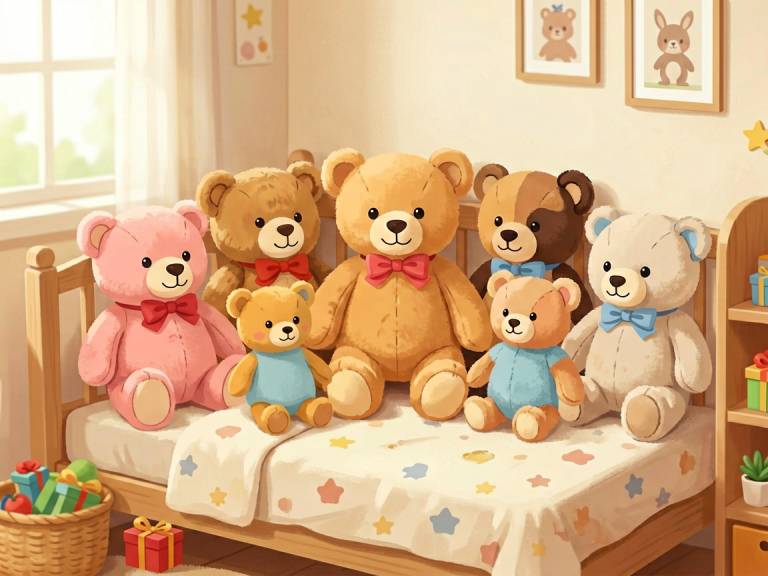
Even the perfect toy will not foster focus if the environment is chaotic or the parent is distracted. To truly support concentration, create a designated play space that is quiet, uncluttered, and comfortable. Turn off the television and background music. Put away other toys that might compete for attention. Place the child on a small rug or at a low table where they feel secure. Then, practice the art of "active watching." A parent should sit nearby and observe, stepping in only when needed. Resist the urge to instruct or praise too often, as every interruption—even a positive one—can break a young child’s train of thought. Instead, show interest in what they are doing by describing their actions in a calm, quiet voice: "You are putting the red block on top of the blue block." This subtle narration helps the child feel noticed and encourages them to persist. When the child struggles with a puzzle, offer a minimal hint rather than solving it for them. That moment of struggle is precisely where focus and problem-solving skills are built. Also, let the child set the pace. If they want to repeat the same activity twenty times, allow it. Repetition is the bedrock of mastery and sustained attention. Finally, consider your own example. A two-year-old who sees the parent sitting down with a book, sorting a drawer, or working on a craft is learning that quiet, focused engagement is a valuable and normal activity. Your presence and attention are the most important "toys" in the room.
Conclusion: Focus Is a Skill, Not a Gift
Choosing toys for a two-year-old with a focus on focus is not about buying expensive educational products or pushing academics early. It is about honoring the natural rhythm of a toddler’s development and creating conditions under which their innate curiosity can flourish. By selecting simple, open-ended, and safe toys; avoiding electronic overload; and providing a calm, supportive play environment, parents can help their child practice the art of concentration one small moment at a time. Remember that a two-year-old’s focus will look very different from an adult’s. It may last only five minutes, and it may be interrupted by a sneeze or a passing dog. That is perfectly normal. The goal is not to lengthen attention artificially, but to make those focused moments deep and joyful. When a child watches a wooden block slide smoothly into place, or mixes two colors of paint to make a new one, their brain is knitting together the skills of attention, self-regulation, and problem-solving. These are the true building blocks of future learning. So the next time you stand in a toy store, resist the bright and beeping gadgets. Reach for the simple, the natural, and the open-ended. Hand that toy to your two-year-old, sit beside them, and watch not just the toy, but the pure concentration on their face. That—not the toy itself—is the real gift. And it is a gift that will keep growing for years to come.