The Magic of Dolls and Plush Toys: Nurturing Development in 5-Year-Olds
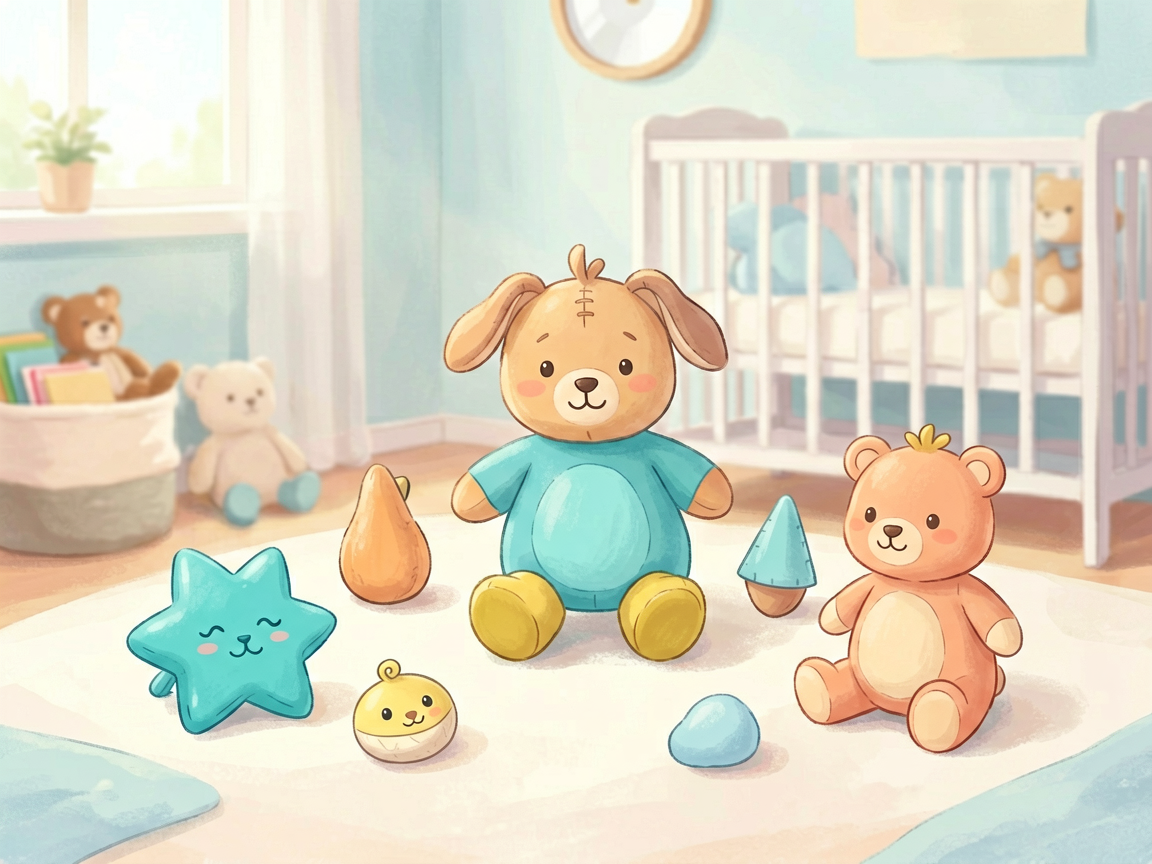
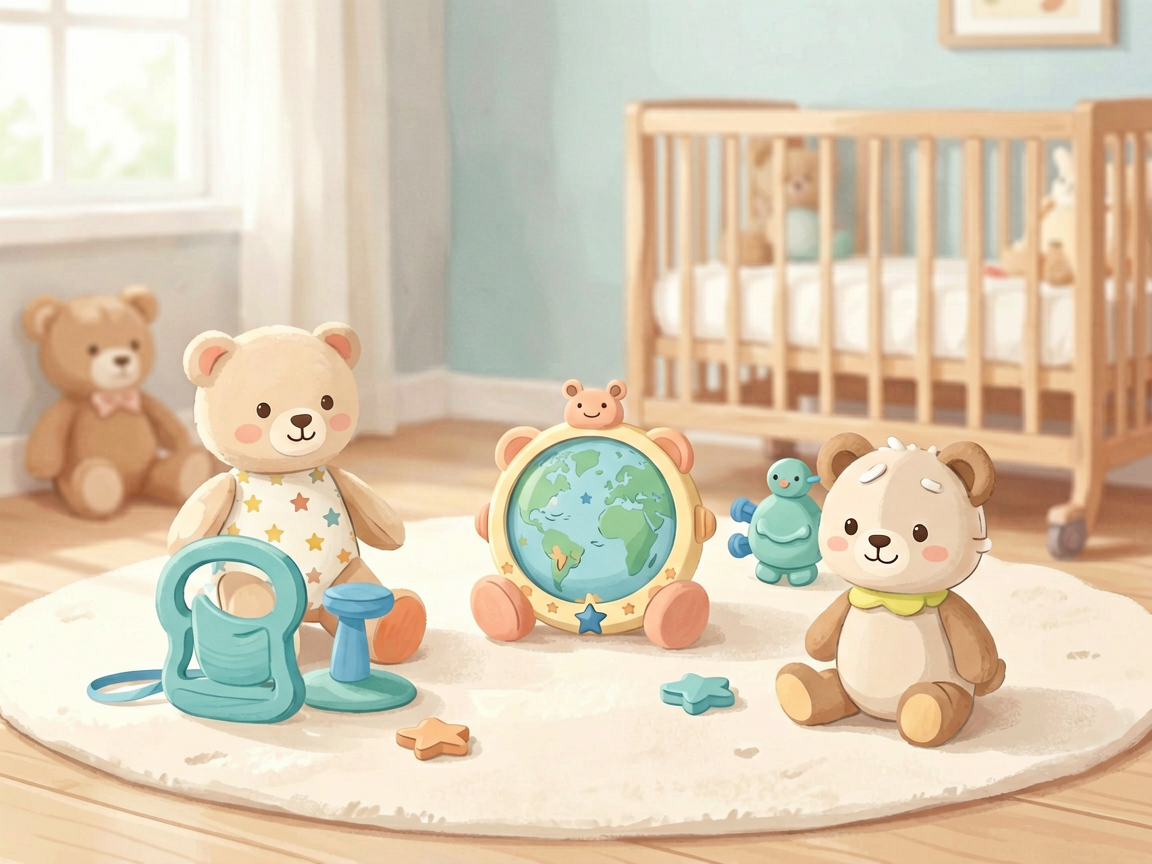
Dolls and plush toys nurture development in 5-year-olds: role-play, language, and the companions that anchor big feelings.
Toy comparisons, safety checks, and buying guides that help parents decide before they buy.
Toy vs toy comparisons only work when both products are judged on what decides real use: how many ways there are to play, how fast setup and cleanup are, how it holds up, and the cost per hour of play. These head-to-head comparisons put similar products side by side. Before you read a comparison, it helps to know which criteria separate a good toy from an average one. If the two options differ mainly by the age they suit, check the age-by-age guide first — sometimes the comparison is settled before it starts.
Dolls and plush toys nurture development in 5-year-olds: role-play, language, and the companions that anchor big feelings.
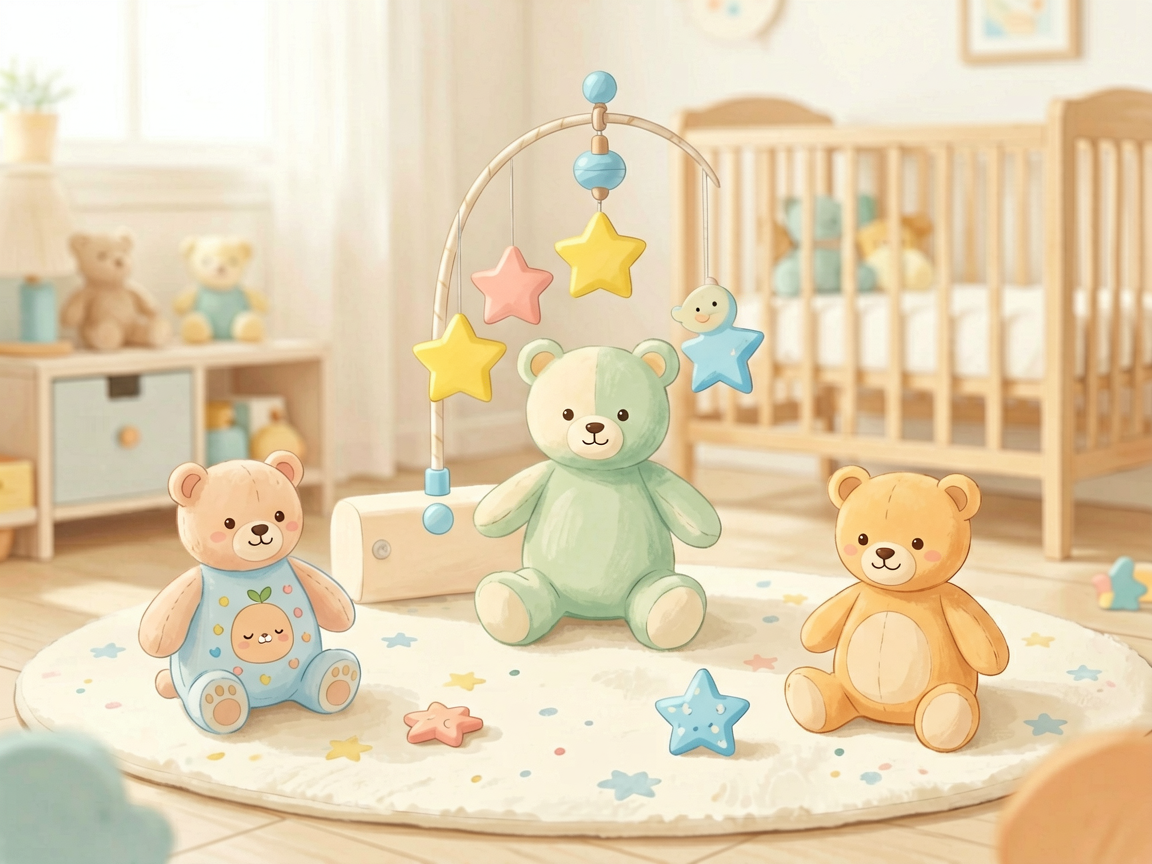
Why dolls and plush toys are essential for 4-year-olds: soft companions for big imaginations and daily routines.
Choosing dolls and plush toys for 3-year-olds: the perfect companions for pretend play, with safety and washability notes.
Why dolls and plush toys are essential for 2-year-olds: the power of soft companions through the toddler years.
A guide to selecting dolls and plush toys for 18-month-olds: the perfect companion criteria for this exact stage.
A guide to selecting dolls and plush toys for 1-year-olds: the soft companions that survive hugs, drool, and washing.
Choosing dolls and plush toys for 9-month-olds: the perfect companion features for the grasping, mouthing stage.
Dolls and plush toys for 6-month-olds: safety essentials, the role they play, and what makes one infant-safe.
The role of dolls and plush toys in infant development: comforting companions from first grasps to first words.
Dolls vs. plush toys: a comparative exploration of two beloved playthings, and where each one fits a child's play.