Beyond the Shiny Box: How to Avoid Buying Toys Based on Packaging
It happens in almost every toy store. A child’s eyes lock onto a brightly colored box decorated with superheroes, sparkly princesses, or roaring dinosaurs. The packaging promises adventure, excitement, and endless fun. Before you know it, the box is in your cart, and the child is already tearing it open at home. Yet, twenty minutes later, that same toy lies abandoned in a corner, while the packaging—the very thing that sold you—has become the only object of real entertainment. This scenario is all too familiar for parents. The problem is not that toys are bad, but that we often make purchasing decisions based on packaging rather than the actual play value. To become a smarter consumer, you need a deliberate strategy. This article offers practical, research-backed advice on how to avoid buying toys based on packaging, ensuring that your money goes toward toys that genuinely engage, educate, and last.
The Psychology of Packaging: Why We Fall for It
Before we can resist the pull of a beautiful box, we must understand how toy companies engineer that pull. Packaging is not an afterthought; it is a sophisticated marketing tool. Designers use bright, high-contrast colors to capture attention from a distance, especially in a crowded store aisle. They place cartoon characters or movie tie-ins on the front to trigger instant recognition and emotional attachment. The box often shows a dynamic action scene—a toy car mid-drift, a doll flying through the air—implying that the toy itself will provide that same thrilling experience. In reality, the toy inside is often static, smaller, or less detailed than the image suggests.
Furthermore, packaging exploits a cognitive bias known as the “halo effect.” A beautiful, premium-looking box makes us assume the toy inside is high quality. We transfer our positive feelings about the design to the product itself. Marketers also use size to deceive. An enormous box may contain a tiny toy surrounded by layers of plastic and cardboard inserts. These “packaging tricks” are not illegal, but they are intentionally designed to mislead. Once you recognize these tactics, you can begin to ignore the glossy appeal and focus on what actually matters.
Read Beyond the Box: Unboxing the True Value
The most direct way to avoid packaging-based purchases is to refuse to let the box be your primary source of information. Start by turning the box around and reading the back or side panels. Usually, you will find a small, less glamorous photograph showing the actual toy from multiple angles. Look for this image carefully. Does it match the front cover? Are the colors the same? Is the toy shown in use, or just posed? Often, the back image reveals the toy’s true scale, its accessories, and even its limitations.
Next, examine the list of features and benefits. Ignore buzzwords like “exciting,” “magical,” or “ultimate.” Focus on concrete attributes: Does it require batteries? What materials is it made of? How many pieces are included? Is it for a specific age range? A toy may claim to be “educational,” but the packaging rarely says what your child will actually learn. If the box says “STEM,” dig deeper. Does it involve building, planning, or problem-solving, or is that label just a sticker slapped on a generic plastic gadget?
Another critical step is to look for certification marks. Reputable safety standards such as CE, ASTM, or EN71 are printed on legitimate packaging. While these marks do not tell you about play value, they do ensure that the toy has passed basic safety tests. Conversely, if packaging is flimsy, has misspelled words, or lacks contact information for the manufacturer, that is a red flag. In short, read the box like a detective, not like a fan. You are looking for facts, not for feelings.
Research Before You Buy: Tools and Strategies
The best defense against packaging deception is to do your homework before you ever enter the store. With a smartphone in your pocket, you have instant access to independent reviews, unboxing videos, and parent forums. Make it a habit to search for the specific toy name plus the word “review” or “unboxing.” Video reviews are particularly useful because they show you the real toy outside its packaging, often with a human hand for scale. You can see how the toy moves, how it feels, and whether it falls apart after five minutes.
Another powerful strategy is to check online retailers that allow customer photos. Sites like Amazon often include images uploaded by buyers showing the toy in their living rooms. These unglamorous, real-world photos are worth a thousand marketing renders. Look for recurring complaints in reviews: “smaller than expected,” “breaks easily,” “boring after one day.” If multiple reviewers mention the same issue, believe them.
Do not forget to check professional toy review websites or databases, such as the Good Toy Guide or Common Sense Media. These organizations evaluate toys based on developmental benefits, durability, and long-term engagement. They are not paid by manufacturers, so their assessments are more trustworthy than anything printed on a box. For older children, you can even ask your child’s teacher or school librarian for recommendations. A toy that aligns with your child’s interests and skill level is far better than one that simply looks cool on a shelf.
Ask the Right Questions About Play Value
Even after researching, you may still find yourself staring at a tempting box in a physical store. Pause for a moment and ask yourself a series of questions about play value. The first question is: “What exactly will my child do with this toy?” If you cannot identify at least three distinct types of play—for example, building, pretending, and problem-solving—then the toy may be too passive. Toys that only light up, make sounds, or move on their own are often called “battery-operated entertainment.” They offer little opportunity for active, imaginative play. A simple set of blocks, on the other hand, can be used in endless ways.
The second question is: “How long will this toy capture attention?” Think about your child’s current interests and developmental stage. A toy that is too simple will bore them quickly; too complex will frustrate them. Look for open-ended toys—those that can be used in multiple ways without a fixed result. Dolls, building bricks, art supplies, and play dough are classic examples. They may have dull packaging, but they provide years of play.
The third question is: “What does my child already own that is similar?” Packaging can make something look new, but inside the box, you might find another plastic dinosaur or another puzzle. Compare the potential purchase with the existing toy collection. If the new toy is basically a variation of something already played with daily, it might still be worth it. But if it duplicates something forgotten in a closet, skip it.
Finally, ask yourself: “Could I buy this toy without the packaging?” This is a great mental test. If the toy itself—stripped of the flashy cardboard and plastic—is still appealing, then it may be a good purchase. If it looks cheap and uninteresting when bare, then you are only buying the box.
Involve Children in a Packaging-Savvy Approach
It is not enough to become a smarter shopper yourself; you also need to teach your children to resist the siren call of packaging. Young children are especially vulnerable to cartoonish images and bright colors. One effective method is to play a game called “The Truth Behind the Box.” Before buying, show your child the back of the box and ask them to compare it with the front. Point out differences between the photo and the real product. Ask your child: “Do you think this toy will do everything it shows on the cover?” By doing this, you help your child develop critical media literacy.
Another approach is to give your child a small budget and allow them to spend it on toys of their choosing, but with a rule: they must first watch an unboxing video or read a review at home. If they still want the toy after seeing the reality, they can save their allowance. This process teaches delayed gratification and reduces impulse purchases. You can also encourage your child to make a wish list. Put a photo or a drawing of the toy on the list, along with the date. If they still want it after two weeks, you can consider buying it. This “cooling-off period” works wonders for both children and adults.
Additionally, shift your family’s conversations about toys away from “wanting” and toward “using.” Instead of asking, “What do you want?” ask, “What would you do with this?” This subtle language change helps children consider play potential rather than just possession. Praise your child when they choose a toy based on its functionality, not its box. For instance, say, “Great choice—I love how you noticed that this game can be played with two different rules.” Over time, your child will internalize these values.
The Deceptive Trap of “Limited Edition” and “Collectible” Packaging
One special warning deserves its own section. Toy manufacturers often create packaging designed to exploit the fear of missing out. “Limited edition,” “collector’s box,” “exclusive item,” and “only in this packaging” are phrases used to make you buy faster. The scarcity trigger is powerful. But ask yourself: Is the toy itself unique, or only the box? Often, a “limited edition” toy is the same as the regular version, just with a different logo or a gold foil sticker. For children, this creates a habit of valuing packaging over content. If you avoid these marketing traps, you automatically save a lot of money. Teach your child that the excitement of a “rare” box fades quickly, but the joy of a great toy lasts. In fact, toys that come in plain, recyclable packaging are often more honest. A company that spends money on sustainable, simple packaging is signaling that they invest in the product, not just the presentation.
A Practical Checklist for Your Next Toy Purchase
To make all this advice actionable, use a simple checklist the next time you are tempted by a shiny box. First, take a photo of the box and walk away for at least an hour. Second, read at least three independent reviews online. Third, find a customer photo or video showing the real toy. Fourth, evaluate the toy’s open-ended play potential. Fifth, compare it with the toys you already own. Sixth, discuss with your child what they really would do with the toy. Finally, if you still decide to buy, remove the packaging before leaving the store and inspect the toy directly. This last step is especially effective because it forces you to look at the object itself. If it looks disappointing without the cardboard backdrop, put it back on the shelf.
Conclusion
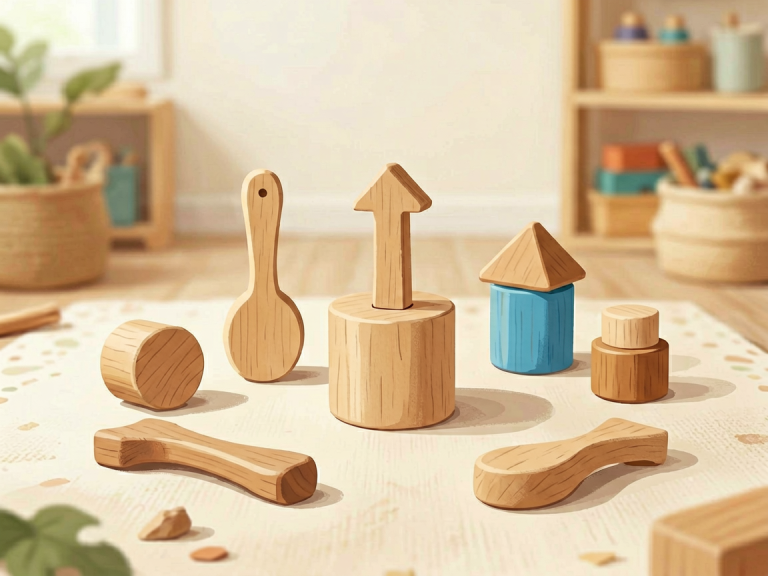
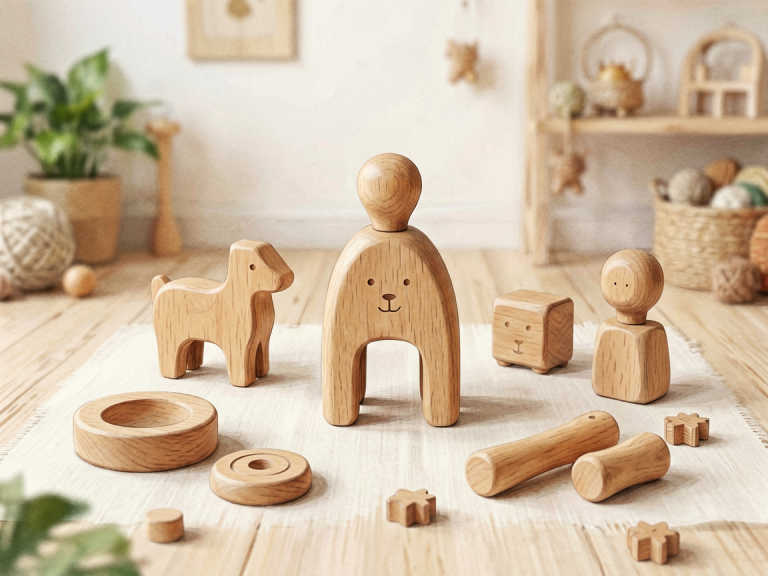
Avoiding toy purchases based on packaging is not about becoming a cynical parent or denying your child joy. It is about reallocating your resources toward toys that truly matter. Packaging is designed to manipulate, not to inform. The most brilliant, durable, and beloved toys often come in boring boxes. Think about a set of plain wooden blocks, a simple pack of crayons, or a cardboard box itself—none of these need flashy marketing because their value is transparent. By training your eye to ignore the glitter and focus on the product, you gain control over your spending and over the quality of your child’s play. Moreover, you teach a valuable life lesson: value lies in what something does, not in how it is presented. The next time you stand in a toy aisle, remember that the box is not the toy. Look past it, and you will find exactly what your child actually needs.