The Art of Play: How Parents Choose Toys for 2-Year-Olds
Introduction: More Than Just a Shopping Trip
Walking into a toy store with a two-year-old in tow is an experience fraught with colorful distractions, flashing lights, and the inevitable whine for the most expensive item on the shelf. Yet for most parents, choosing toys for a child at this tender age is anything but random. The age of two is a developmental turning point—children are no longer helpless infants but curious, mobile, and fiercely independent explorers. They are learning to speak in short sentences, to climb, to sort, to imitate, and to assert their will. The toys they play with during this period are not mere amusements; they are tools for cognitive growth, physical coordination, emotional regulation, and social skill-building. So how do parents actually make these choices? Beneath the surface of impulse buys and holiday hype lies a complex decision-making process shaped by safety concerns, developmental awareness, educational philosophy, budget constraints, and even the parents’ own childhood memories. This article explores the multifaceted ways in which parents select toys for their two-year-olds, revealing the hidden logic that guides every trip down the toy aisle.
Safety First: The Non-Negotiable Filter
Before any consideration of educational value or fun factor, parents of two-year-olds are governed by one paramount rule: safety. At age two, children still explore the world through their mouths, albeit less than they did as infants. They also have an uncanny ability to find danger in the most benign objects. Therefore, the first filter in toy selection is a rigorous check for choking hazards. Parents scrutinize toy parts for size, ensuring that nothing fits through a standard toilet paper roll—the infamous choke tube. Buttons, small wheels, detachable eyes on stuffed animals, and loose magnets are all immediate red flags. Moreover, parents examine materials for toxicity, avoiding toys with lead-based paint, phthalates, or BPA-laden plastics. Labels like “ASTM” or “CE” certification offer some reassurance, but many parents go further, reading online reviews for reports of breakage or sharp edges. Another safety consideration is durability. A two-year-old is not gentle. Toys that snap, splinter, or shatter into sharp shards are quickly discarded, even if they looked great in the package. Finally, parents consider the safety of the toy’s use context: Is it too heavy to be thrown? Does it have strings that could become strangulation hazards? Does it make noises loud enough to damage young ears? This safety-first filtering is so automatic that many parents do it without conscious thought, but it remains the bedrock of every decision.
Developmental Alignment: Matching Toys to Milestones
Once safety is assured, parents turn to the more joyful task of finding toys that match their child’s current developmental stage. At two, children are experiencing rapid growth in several domains, and parents often select toys to support these specific milestones.
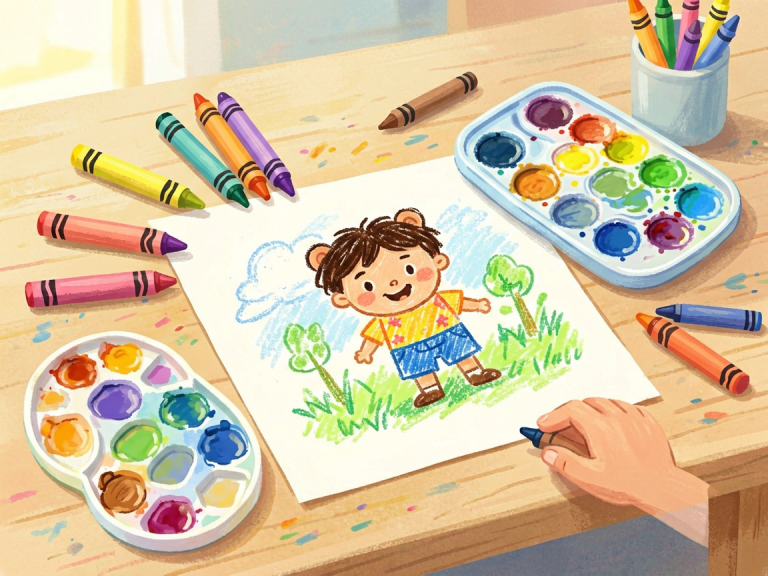
Physical Development: Two-year-olds are perfecting their gross motor skills—running, jumping, climbing, and balancing. Thus, parents often choose push-and-pull toys, low tricycles, soft foam blocks for building towers, or small slides for the backyard. They also look for toys that refine fine motor skills, such as large wooden beads to string, thick crayons for scribbling, or simple peg puzzles with oversized knobs. These toys help children develop hand-eye coordination and the pincer grip that will later be needed for writing.
Cognitive and Language Development: This is a period of explosive vocabulary growth. Parents gravitate toward toys that encourage naming, categorizing, and pretending. Picture books with bright, realistic images are staples. Shape sorters, nesting cups, and simple matching games teach colors, sizes, and spatial relationships. Toy phones, play kitchens, and miniature tool sets invite imaginative play, during which children practice dialogue and sequencing. Parents also value toys that introduce cause and effect—like a toy that pops up when a lever is pushed—because they help a two-year-old understand that their actions have impacts on the world.
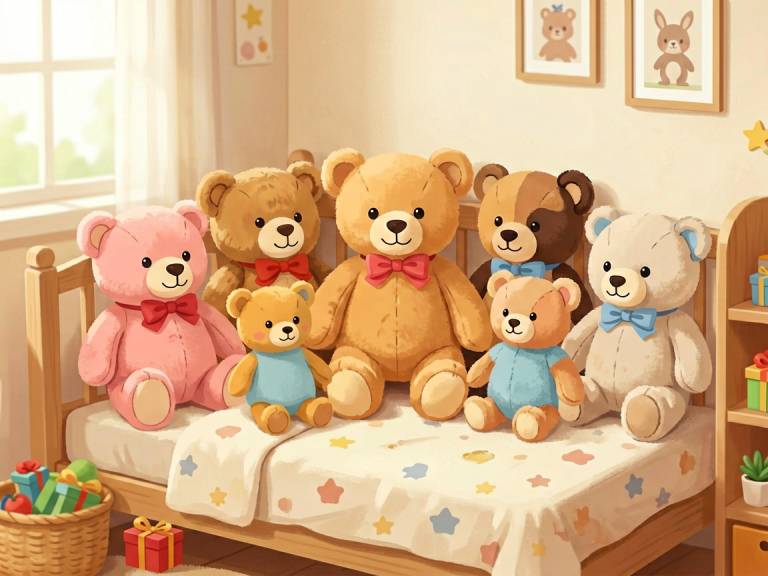
Social and Emotional Development: Two-year-olds are famously egocentric, but they are beginning to engage in parallel play alongside peers. Parents often choose toys that can be shared or used collaboratively, such as large interlocking blocks, a set of play dishes, or a simple wagon with room for two. Dolls and stuffed animals become tools for acting out emotions, allowing a child to “feed” a teddy or “put a baby to sleep.” This helps parents give their children a safe outlet for big feelings—frustration, anger, joy, attachment. Parents may consciously pick toys that encourage turn-taking, or they may simply prefer toys that don’t cause sibling battles over ownership.
The key is that parents do not choose toys in a vacuum. They observe their own child’s unique interests and abilities. A parent of a particularly active girl might choose a ride-on car; a parent of a talkative boy might choose a storybook with finger puppets. This personalized alignment between the toy and the child’s current “zone of proximal development” is what marks a truly thoughtful toy choice.
The Educational Labyrinth: “Montessori, STEAM, and Open-Ended”
In recent years, the toy industry has been flooded with labels promising cognitive enrichment: “STEM,” “Montessori,” “brain-building,” “educational.” For parents of two-year-olds, these buzzwords can be both a guide and a trap. On one hand, many parents are genuinely eager to give their child a head start. They may seek out toys that explicitly teach letters, numbers, or shapes, such as electronic alphabet pads or counting bears. On the other hand, child development experts often warn that direct instruction at this age is less valuable than free, open-ended exploration. So how do parents navigate this tension?
A growing number of parents have embraced the “less is more” philosophy. They prefer open-ended toys—objects that can be used in multiple ways without a predetermined outcome. A plain set of wooden blocks can become a castle, a bridge, a phone, or a racing ramp. A stack of cardboard boxes can be a fort, a car, or a bathtub for a doll. These toys, parents believe, foster imagination, problem-solving, and executive function far better than a button-pushing gadget that gives a single reward. The Montessori-inspired trend has pushed parents toward natural materials, simple designs, and realistic rather than fantastical toys. A wooden kitchen set, a broom that actually works, or a set of real (but safe) tools are prized because they let a two-year-old mimic real adult activities with genuine, rather than virtual, feedback.
However, parents also face practical constraints. Not every family can afford a beautiful Waldorf wooden playstand or a full set of Grimms rainbows. Budget-conscious parents learn to make compromises: a plastic shape sorter from the discount store can still teach the same concepts as an expensive wooden one. They also worry about over-stimulation. Many parents deliberately avoid toys with flashing lights and loud sounds, parenting them as “battery-operated annoyances” that make the child passive rather than active. Instead, they choose quiet, slow, manipulable materials. Yet others swear by the occasional interactive electronic toy, especially if it helps their child practice First Words or reinforces a special interest like animals or vehicles. In the end, most parents adopt a hybrid approach, balancing “pure play” toys with a few structured learning items, all the while hoping they are hitting the ever-shifting target of what is truly “educational.”
Practicality and the Home Environment
Another crucial factor in toy selection is the practical reality of the home. Parents of two-year-olds live in a world of clutter, and every new toy must earn its place in a limited space. This prompts several practical questions. First, is the toy easy to clean? A plush toy that cannot be machine-washed is a hard no. Second, does it have too many small pieces? Parents think ahead to the nightly cleanup routine and the inevitable lost-piece syndrome. A 50-piece puzzle may be wonderful, but if pieces get scattered under the sofa, the toy becomes a source of stress. Third, is it durable enough to survive not only the toddler but also the household? Parents often prefer toys made of robust materials that can be passed down to a younger sibling or donated after use.
Storage is also a consideration. Parents tend to choose toys that fit neatly into existing shelving or baskets, and that can be rotated in and out of use. Some parents adopt a toy-rotation system, keeping only a handful of toys available at a time and storing the rest in a closet. This reduces overwhelm for the child and makes parents more selective: each new toy must be truly engaging, not just a passive dust collector. Furthermore, no parent wants to buy a toy that is outrageously loud in the house, so sound level is a practical check. Finally, the question of “does this toy match our family’s values?” matters—some parents avoid war toys or gender-stereotyped toys; others prefer toys that reflect diverse characters and cultures. All of these pragmatic concerns work alongside the more aspirational ones.
The Influence of the Parent’s Own Childhood
Underneath all rational checking and comparing, there is a quieter, more emotional force that shapes toy selection: nostalgia. Many parents find themselves drawn to toys they loved as children themselves. A mother who treasured her wooden train set may delight in giving the same brand to her son or daughter. A father who remembers hours of building with LEGO might start their child with Duplo blocks, even though their two-year-old cannot yet follow instructions. This is not mere sentimentality. Parents want to share a piece of their own happy memories, and they hope that a beloved toy from childhood will create a bridge across generations. Conversely, some parents deliberately choose toys they never had, using toys to heal their own childhood gaps or to provide their child with opportunities they themselves missed.
Additionally, recommendations from other parents—friends, siblings, online parenting groups—wield huge influence. In the digital age, a viral video of a toddler joyfully playing with a particular wooden stacking rainbow can sell out within days. Parents trust the wisdom of peers who have survived the terrible twos and can honestly say, “My daughter played with this for hours” or “This is the only toy that keeps my son calm in the car.” Thus, word-of-mouth and social proof act as a shortcut in the decision-making process, reducing the cognitive load of evaluating dozens of options.
Conclusion: Play Is Serious Business
Choosing toys for a two-year-old, then, is far more than a trivial shopping errand. It is a delicate balancing act that requires parents to be part safety inspector, part developmental psychologist, part educator, part interior designer, and part nostalgic storyteller. There is no single perfect toy, and parents know this all too well. A child may ignore the most carefully selected educational toy in favor of a cardboard box and a wooden spoon. Yet this unpredictability does not diminish the thoughtfulness that goes into the selection process. Every toy that finally makes it into the shopping cart—or home from the secondhand store—represents a small declaration of hope: that this object will spark a laugh, a question, a discovery, or a moment of quiet focus. In the end, while toy stores are full of mass-produced plastic, the true purpose of a toy is to be a vessel for relationship. A mother sitting on the floor pushing a car, a father stacking blocks with his child, a grandmother applauding a two-year-old as she completes her first puzzle—these are not just playing. They are the earliest lessons in love, persistence, and wonder. And that is why parents will always put so much care into such a seemingly simple question: “What toy should I choose?”