The Hidden Treasures of Pre-Loved Play: Why Used Toys Are a Smart Choice for Six-Year-Olds
Introduction: Rethinking the Playroom
In a world saturated with advertising, flashy packaging, and the relentless pursuit of the "newest" and "hottest" toy on the market, it is easy to overlook a simple, profound truth: a six-year-old does not care whether a toy is brand new or has been loved before. What matters to a child at this age is the story the toy can tell, the adventure it promises, and the joy it brings in the present moment. Used toys, often dismissed as second-rate or insufficient, actually offer a wealth of benefits that many parents and caregivers fail to recognize. For six-year-olds, who are at a critical developmental stage where imagination, social skills, and emotional intelligence are rapidly expanding, used toys can be not just acceptable but ideal. This article explores the multifaceted value of pre-owned toys for this age group, from environmental and economic advantages to developmental and social-emotional growth. By the end, you will see that a well-chosen used toy can be far more valuable than a brand-new one straight off the assembly line.
The Developmental Landscape of a Six-Year-Old
Why This Age Matters
At six years old, children are transitioning from the purely imaginative play of early childhood into a more structured, rule-based, and socially aware form of play. They are beginning to read, write, and perform simple math. Their attention spans are lengthening, but they still crave hands-on, tactile experiences. They are also developing a strong sense of fairness, right and wrong, and empathy. This is the age when friendships become more important, and cooperative play—building forts together, negotiating roles in a pretend game, or taking turns with a board game—becomes a central part of their daily life. Used toys, precisely because they often come with a history, can facilitate this development in unique ways.
The Play Patterns of Six-Year-Olds
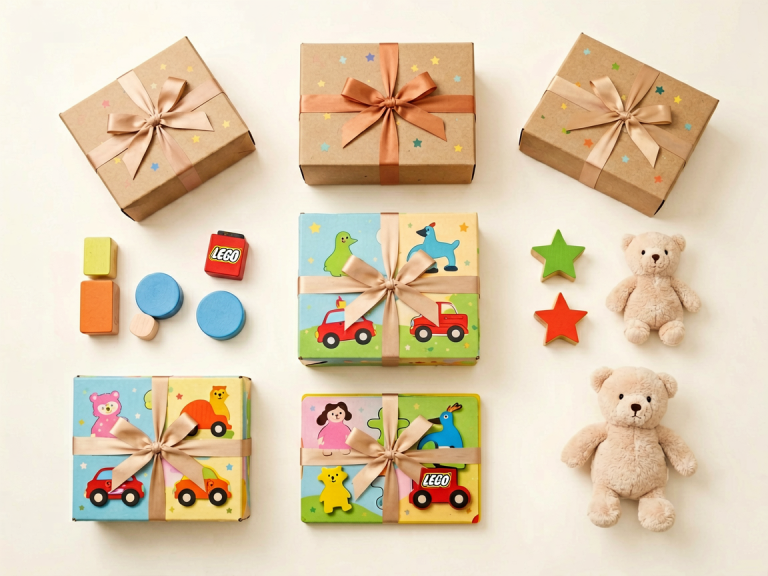
A six-year-old’s play is diverse: they love construction sets like LEGO or magnetic tiles, simple board games that teach turn-taking and strategy, arts and crafts materials, action figures and dolls for storytelling, and vehicles for creating imaginary worlds. They also enjoy puzzles that challenge their problem-solving skills and sports equipment for physical activity. The key is that many of these items are durable and long-lasting—qualities that make them perfect candidates for the used market. A slightly worn LEGO set is still infinitely buildable. A missing piece or two from a puzzle can become a challenge to overcome. A used bicycle with a little rust can be repainted and made new again with some family effort.
The Environmental and Economic Case for Used Toys
Reducing Waste, One Toy at a Time
The environmental impact of the global toy industry is staggering. Millions of tons of plastic toys end up in landfills every year, many of them barely played with. Six-year-olds are notorious for rapidly outgrowing toys—both physically and developmentally. The board game that was a hit at age five may be too simple at age six; the action figure from a forgotten movie franchise may lose its appeal. By choosing used toys, parents directly reduce the demand for new plastic production, the carbon footprint of shipping, and the waste of packaging. Moreover, used toys keep valuable resources in circulation. A single used toy can be passed through multiple families, each enjoying it for a season or two, before it eventually reaches its end of life. This circular economy is not only environmentally responsible but also teaches children, by example, the value of reusing and repurposing.
The Financial Freedom of Second-Hand Shopping
Let’s face it: raising a six-year-old is expensive. Between school supplies, extracurricular activities, clothing that gets outgrown in months, and the ever-present desire for new entertainment, parents’ budgets are stretched thin. Buying used toys can slash the cost of play by 50 to 80 percent. A high-quality wooden train set that costs $150 new might be found at a thrift store for $20. A complete set of classic board games—Candy Land, Chutes and Ladders, and Sorry!—can be gathered for a fraction of their retail price. This financial savings allows families to invest in a wider variety of toys, enriching the child’s play experience without breaking the bank. Furthermore, it reduces the pressure on parents to constantly provide the latest, most expensive items. A child who learns that a gently used toy is just as fun as a new one develops a healthier relationship with material possessions.
The Educational and Social Benefits of Pre-Loved Toys
Fostering Creativity and Problem-Solving
One of the most underappreciated aspects of used toys is that they often come incomplete. A puzzle missing a piece, a doll missing a shoe, a construction set missing a few bricks—these imperfections are not defects; they are opportunities. When a six-year-old encounters a used toy that is not perfect, they must engage their creativity to compensate. How can I build the castle without the blue roof piece? Can I make a new dress for the doll from a scrap of fabric? This process of improvisation is the foundation of problem-solving and innovation. In contrast, a brand-new toy in a pristine box often comes with a predetermined play script. Used toys, by their very nature, invite children to write their own.
Building Empathy and Understanding History
Used toys carry stories. When a child receives a toy that was previously owned by another child, they have a chance to think about that other child. Who played with this? Did they love it? Why did they give it away? For a six-year-old, this can be a powerful lesson in empathy and the passage of time. It also normalizes the idea that things change and that letting go of possessions is a natural part of life. Parents can enhance this by telling the child where the toy came from—a garage sale, a donation bin, or a friend’s hand-me-down. This narrative adds a layer of meaning that a shiny new box from the store can never replicate.
Encouraging Generosity and Social Connection
Used toys also open the door to conversations about giving and receiving. When a family donates toys their child has outgrown, the child learns that their old belongings can bring joy to someone else. When a child receives a used toy from a friend or a cousin, they experience generosity firsthand. This cycle of giving and receiving strengthens family and community bonds. For six-year-olds, who are just beginning to understand the nuances of friendship and sharing, these experiences are invaluable.
Practical Considerations: How to Choose and Refresh Used Toys
Safety First: What to Look For
Of course, not all used toys are suitable. Parents must exercise caution, especially with toys that may have been recalled, are broken, or contain hazardous materials. For a six-year-old, avoid toys with small, detachable parts that could be a choking hazard for younger siblings. Check for sharp edges, exposed wires, or peeling paint. Ensure that stuffed animals are machine-washable and that electronic toys still meet current safety standards. The Consumer Product Safety Commission (CPSC) website is a useful resource for checking toy recalls. Also, be wary of toys that are too old—vintage toys may have lead paint or other toxic materials. As a general rule, stick with toys from the last 10–15 years, and always inspect thoroughly before purchase.
Cleaning and Refurbishing: A Fun Family Project
One of the most rewarding aspects of bringing used toys home is the process of cleaning and refreshing them. A six-year-old can participate in this activity, turning it into a learning experience about responsibility and care. Plastic toys can be soaked in warm, soapy water and scrubbed with a brush. Stuffed animals can be tossed in the washing machine (on a gentle cycle) or spot-cleaned with a mild detergent. Puzzles and board games often need only a wipe-down, but check that all pieces are present. This hands-on involvement gives the child a sense of ownership. The toy becomes “theirs” not because it was purchased new, but because they helped restore it to its former glory.
Where to Find Quality Used Toys
The market for used toys is vast and varied. Thrift stores like Goodwill, The Salvation Army, and local consignment shops often have entire sections dedicated to toys. Yard sales and garage sales are treasure troves, especially in suburban neighborhoods where families regularly cycle out old items. Online platforms such as Facebook Marketplace, Craigslist, and local “Buy Nothing” groups offer free or low-cost options. Specialized websites like eBay and Mercari allow you to search for specific toys, often with photos that show condition. Finally, toy swaps organized by schools, community centers, or parent groups are excellent opportunities to exchange toys with other families, often at no cost.
Conclusion: The Joy of a Second Chance
In the end, the value of a used toy for a six-year-old cannot be measured in dollars or in the number of pristine parts. It is measured in the laughter that erupts when a child discovers a forgotten treasure, in the quiet focus of a child solving a puzzle with a missing piece, and in the lesson of sustainability that will shape their future choices. Used toys are not “less than”—they are “more than.” They are more sustainable, more affordable, more creative, and more human. So the next time you walk past a thrift store or see a garage sale sign, stop. Take a look. You might just find the toy that will become your six-year-old’s most cherished companion. And you will know, without a doubt, that sometimes the best things in life are not new—they are simply new to you.