The Silent Danger: Why You Should Avoid Toys with Hazardous Noise Levels
A child’s laughter, the clatter of building blocks, the gentle melody of a music box—these are the sounds of happy childhood. But hidden among these innocent noises lies a growing, often overlooked threat: toys with dangerously high noise levels. Each year, millions of children are exposed to sound intensities from their favorite playthings that can cause permanent hearing damage, behavioral issues, and even cognitive delays. While parents diligently check for sharp edges, small parts, and toxic paints, the acoustic safety of toys frequently slips under the radar. This article explores why certain toys should be avoided due to their noise levels, how to identify them, and what steps families can take to protect young ears.
The Hidden Threat of Noisy Toys
Hearing loss is not just an ailment of the elderly or of adults who work in factories. In fact, the World Health Organization estimates that over one billion young people worldwide are at risk of hearing loss due to unsafe listening practices, with toys being a significant contributor in early childhood. The danger is insidious because children often cannot articulate that a toy feels “too loud,” and the damage accumulates gradually. A toy that seems fun today may be silently stealing the ability to hear whispers tomorrow.
The anatomy of a child’s ear makes them particularly vulnerable. The ear canal of an infant or toddler is smaller and shorter than that of an adult, meaning that sound pressure is concentrated in a tighter space. Their developing auditory system is also more sensitive to high-frequency sounds, which are commonly produced by electronic toys such as talking dolls, toy smartphones, and musical instruments. Moreover, children have a natural tendency to hold toys close to their faces—often directly against the ear—amplifying the sound intensity far beyond the manufacturer’s stated levels.
Many parents assume that if a toy is sold on the market, it must be safe. This is a dangerous misconception. While regulatory agencies such as the U.S. Consumer Product Safety Commission (CPSC) and the European EN 71 standard do impose limits on toy noise, these limits are often tested at a distance of 50 cm from the ear—a distance that few children actually maintain. When a toddler presses a toy phone to their ear, the sound pressure can increase by 10 to 20 decibels (dB) compared to the tested value. Even a small increase of 3 dB corresponds to a doubling of acoustic energy.
How Loud Is Too Loud? Understanding Decibel Levels
To make informed decisions, it is essential to understand the decibel scale. Normal conversation runs around 60 dB, while a lawnmower or busy street traffic hits about 85 dB. Prolonged exposure to sounds above 85 dB is considered harmful to hearing, and instantaneous exposure above 120 dB can cause immediate pain and injury. For children, the safe thresholds are even lower. The American Academy of Pediatrics recommends that toys not produce continuous sound above 85 dB at a distance of 25 cm from the ear, and that impulse noises (such as a toy gun’s bang) should not exceed 115 dB.
Yet many popular toys far exceed these recommendations. In a 2019 study conducted by the Sight & Hearing Association, researchers tested 30 common toys and found that 23 of them produced sound levels above 85 dB when measured at the ear. One toy, a toy police car with a siren, reached 120 dB—equivalent to a jet engine at takeoff. Another, a simple plastic rattle, produced 110 dB when shaken vigorously near the ear. These numbers are alarming, especially given that a single exposure to 110 dB can cause temporary threshold shift, and repeated exposure leads to permanent damage.
It is not only obvious electronic toys that are problematic. Even seemingly innocent items like squeaky rubber toys, musical books, or inflatable plastic hammers can generate high peak levels. The problem is compounded when multiple noisy toys are used simultaneously—a birthday party with six kids each holding a different sound-emitting gadget can easily create a cacophony of 90–100 dB sustained over hours.
Common Offenders: Toys to Avoid
While no toy is inherently evil, certain categories consistently appear on audiologists’ warning lists. The following are the most common offenders that parents should approach with caution or avoid altogether:
1. Electronic Musical Instruments
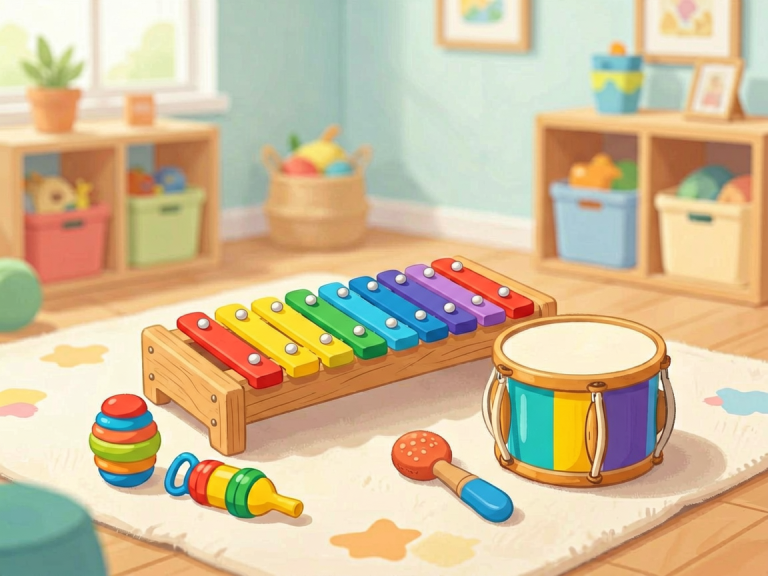
Toy guitars, keyboards, drums, and xylophones with built-in speakers often produce harsh, unfiltered sound. A typical toy keyboard can output 95–100 dB at the child’s ear, especially when the child presses multiple keys or activates a “demo” mode. The worst offenders are those marketed as “realistic” with actual amplifiers—some even include headphone jacks that encourage prolonged use without volume limits.
2. Toy Phones and Tablets
Young children love mimicking adults, so toy smartphones are hugely popular. Unfortunately, many of these devices emit shrill ringtones, pre-recorded messages, and game sounds at up to 105 dB. Because children naturally hold them to their ears, the sound pressure is delivered directly into the ear canal. Some models lack any volume control, and those that have it are often set to maximum by default.
3. Noise-Making Guns and Action Figures
Toy guns that produce simulated gunfire, laser sounds, or explosions are notorious for impulse noises that exceed 115 dB. A toy cap gun, for instance, can produce a sharp crack of 130 dB—louder than a rock concert. Action figures with built-in sound chips for “battle cries” also pose risks when held close to the face.
4. Rattles and Teethers with Built-in Speakers
Even for infants, there are products that combine teething relief with music or animal sounds. Some rattles produce a startling 110 dB when shaken violently, which is common for an infant exploring cause and effect. The small size of these toys means they are almost always within inches of the baby’s ears.
5. Ride-On Vehicles with Horns and Music
Electric cars, scooters, and tricycles often come with buttons that activate horns, sirens, or cartoon songs. Because the speakers are mounted on the vehicle itself—often near the child’s head—the sound can exceed 90 dB. When the vehicle is used outdoors, parents may not notice the noise level due to ambient sound, but the child’s ears are right next to the source.
The Long-Term Impact on Children's Hearing
The consequences of chronic noise exposure in childhood extend far beyond hearing loss. Research published in the journal *Pediatrics* found that children who are regularly exposed to loud toys exhibit increased stress levels, higher heart rates, and poorer concentration. This is because the body’s fight-or-flight response is triggered by intense, unpredictable sounds, flooding the system with cortisol. Over time, this can lead to sleep disturbances, behavioral problems, and even speech delays, as children struggle to distinguish words in a noisy environment.
Hearing loss itself is often progressive and painless. Unlike a cut or a bruise, damaged hair cells in the inner ear do not regenerate. A mild hearing loss that goes undetected in early childhood can have a profound impact on language acquisition, social development, and academic performance. Children with even slight hearing loss may miss up to 30% of what is said in a classroom, leading to frustration, mislabeling as “inattentive,” and lower grades.
Moreover, the damage is cumulative. Exposing a child to a loud toy for five minutes once a week may not cause immediate harm, but when combined with other sources—TV, video games, traffic, crowded daycare centers—the total hearing load can become toxic. By the time children reach adolescence, they may already have permanent tinnitus or a high-frequency hearing decline that will follow them for life.
Tips for Choosing Safe Toys
Fortunately, parents do not need to ban all sound-producing toys. The goal is to choose wisely and use them responsibly. Here are practical strategies for selecting toys that keep playtime fun without damaging young ears:
1. Use the “Arm’s Length” Test
Before purchasing, hold the toy at arm’s length and turn on the sound. If it is uncomfortably loud at that distance, it will be too loud when held close. Trust your instinct—if you wince, your child’s ears will suffer.
2. Look for Volume Control and Low Maximums
Choose toys that offer adjustable volume and that default to a low setting. Some high-quality brands now advertise “safe sound levels” (below 85 dB). Avoid toys with no volume control, especially those that blast sound when first turned on.
3. Prefer Acoustic over Electronic
Wooden rattles, simple bells, hand-cranked music boxes, and unplugged instruments (like a real, not amplified, ukulele) produce naturally lower sound levels. They also stimulate creativity and reduce reliance on batteries.
4. Place Tape over Speakers
For toys that are otherwise loved but too loud, a small piece of transparent tape or a sticker over the speaker can dampen the sound by 5–10 dB. This is a simple, reversible hack.
5. Read Online Reviews and Test Reports
Before buying, search for independent noise level tests. The Sight & Hearing Association and other advocacy groups publish annual lists of the “Noisiest Toys.” Websites like HealthyChildren.org (AAP) also provide guidance.
6. Limit Duration and Distance
Even a moderately loud toy can be safe if used briefly and at a distance. Encourage children not to hold toys next to their ears. Set a timer for 10–15 minutes of use, then switch to quieter activities.
What Parents Can Do: Advocacy and Awareness
Beyond individual choices, parents can advocate for stronger regulations. The current Toy Safety Directive in Europe and the CPSC rules in the United States are based on testing at 50 cm, which many experts consider inadequate. Hearing health organizations are calling for a mandatory “at the ear” test that reflects real-world use. Writing to toy manufacturers and elected representatives can push for change.
At home, model good listening behavior. If you turn down the TV, avoid using headphones at high volume, and speak in a calm voice, children will learn that loudness is not necessary for fun. Educate older children about hearing protection—they can understand the concept of “ears feeling tired” after a noisy toy session. Provide earplugs for occasions when noisy toys are unavoidable, such as at a friend’s birthday party.
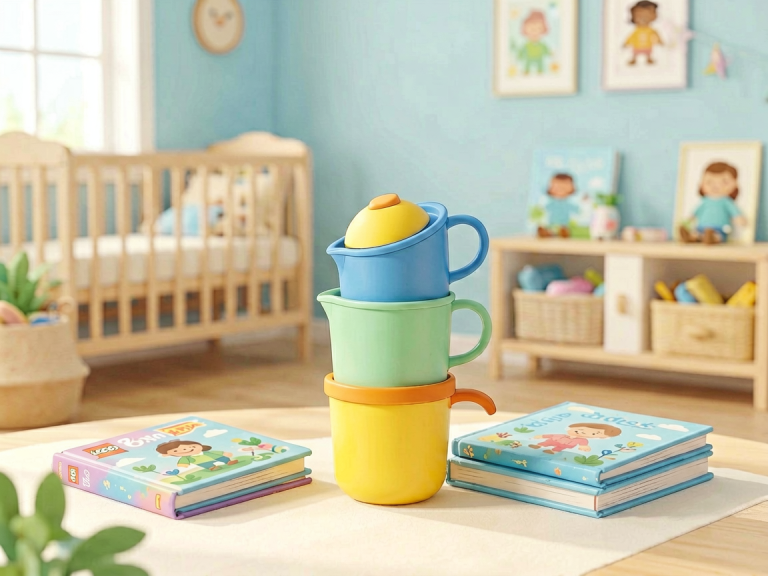
Finally, remember that the best toys often make no sound at all. A cardboard box, a set of stacking cups, a collection of leaves, or a simple wooden puzzle engages the imagination without assaulting the ears. The quiet moments of play are where deep thinking, problem-solving, and emotional regulation develop. By choosing noise-conscious toys, you are not just preserving your child’s hearing—you are investing in their overall well-being.
Conclusion
The toy aisle is a cacophony of lights, buzzers, and songs designed to attract attention. But behind the cheerful noise lies a real and growing threat to children’s hearing. Toys with excessive noise levels—especially electronic instruments, toy phones, and impulse sound makers—can cause permanent damage that might not become apparent until years later. By understanding safe decibel limits, recognizing common offenders, and adopting simple purchasing strategies, parents can greatly reduce the risk. The goal is not to eliminate sound from play but to ensure that the sounds of childhood remain joyful, safe, and gentle on developing ears. After all, the most beautiful sound a parent can hear is their child’s laughter—not the ringing of a warning bell. Choose wisely, listen carefully, and give your child the gift of a lifetime of healthy hearing.