The Hidden Hazard: Understanding the Risks of Excessive Toy Noise Levels in Childrens Toys
Introduction: A Silent Threat in the Playroom
When parents buy toys for their children, they typically consider factors such as educational value, durability, safety from sharp edges, and the absence of toxic materials. However, one critical aspect often goes unnoticed: the noise level of the toy. In recent years, pediatric audiologists and child safety organizations have raised alarms about the potential hearing damage caused by many popular children's toys. This article delves into the science of toy noise levels, the risks they pose to young children, regulatory gaps, and practical steps parents can take to protect their children's auditory health.
The Science of Sound: How Noise Affects Children's Hearing
Understanding Decibel Levels and Hearing Damage
Sound intensity is measured in decibels (dB). For reference, a normal conversation is around 60 dB, while a lawnmower operates at about 90 dB. Prolonged exposure to sounds above 85 dB can cause permanent hearing loss. The human ear is remarkably sensitive, but it is also fragile. In children, the auditory system is still developing, making them more vulnerable to noise-induced hearing loss (NIHL). According to the World Health Organization (WHO), nearly 1.1 billion young people worldwide are at risk of hearing loss due to unsafe listening practices, including exposure to loud toys.
Why Children Are More Vulnerable
Children's ear canals are smaller and shorter than those of adults, which means sound waves travel more directly to the delicate structures of the inner ear. Additionally, the developing auditory cortex may be less able to tolerate high-intensity noise. A toy that seems moderately loud to an adult may be dangerously loud for a toddler because the sound pressure level at the eardrum is relatively higher. Furthermore, children are often unable to remove themselves from a loud sound source or to express discomfort, especially infants and non-verbal toddlers.
The Alarming Reality: How Loud Are Children's Toys?
Research Findings on Toy Noise Levels
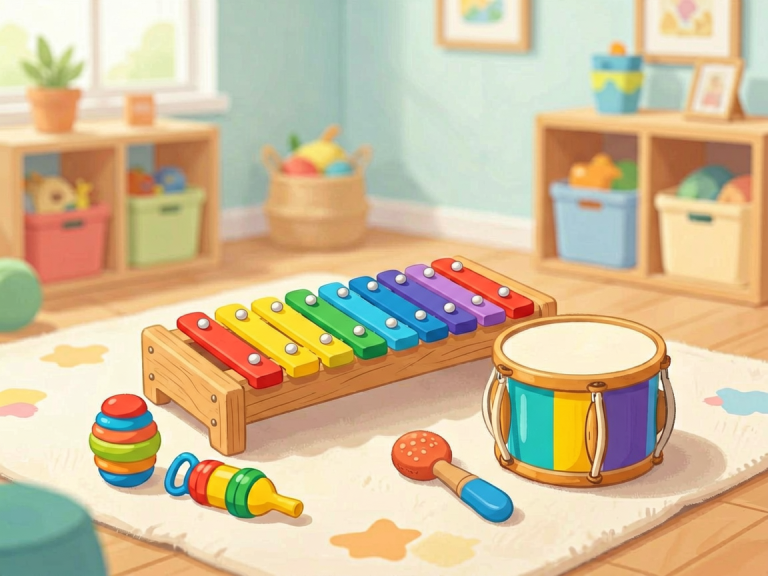
Numerous studies have measured the sound output of common toys. In a well-known investigation by the American Speech-Language-Hearing Association (ASHA), many toys were found to produce noise levels exceeding 100 dB when held close to the ear. For instance, toy sirens, rattles, musical instruments, and electronic toys with speakers can emit sounds between 90 and 110 dB at close range. A toy cap gun measured at 150 dB near the ear—a level that can cause immediate and permanent hearing damage. Even toys that seem harmless, such as squeaky rubber ducks or talking dolls, can produce peak levels around 90-100 dB.
The Role of Distance and Duration
It is important to note that the risk depends not only on the peak loudness but also on the duration of exposure and the distance from the source. A toy held directly against a child's ear, as often happens when toddlers explore objects, can cause significant damage in seconds. Many toys are designed to be held, shaken, or placed near the face, exacerbating the hazard. Moreover, children often play with a single toy for extended periods, accumulating harmful noise exposure over time.
Regulatory Standards: Inadequate Protection for Children
Current Regulations Around the World
In the United States, the Consumer Product Safety Commission (CPSC) has voluntary guidelines for toy noise levels, but they are not mandatory. The American Society for Testing and Materials (ASTM) standard F963-17 recommends that toys intended for children under 14 years should not produce continuous noise above 85 dB when measured at a distance of 50 cm. However, this standard does not account for the fact that children often hold toys much closer to their ears. Additionally, the standard only addresses continuous noise, not impulsive or peak sounds, which are often more damaging.
In the European Union, the EN 71-1 standard sets a limit of 80 dB for toys intended for children under 3 years, and 85 dB for older children, measured at 50 cm. While these limits are stricter than U.S. guidelines, they still fail to capture the real-world risk when toys are used at close range.
The Gap Between Regulation and Reality
Many toys on the market exceed these limits, especially those imported from countries with lax enforcement. Battery-operated toys with cheap speakers are notorious for producing distorted, high-pitched sounds that are particularly harmful. Furthermore, there is no mandatory labeling requirement that informs parents about the decibel level of a toy. Without clear warnings, parents have no way to evaluate a toy's noise risk before purchase.
Health Consequences: Beyond Hearing Loss
Immediate and Long-Term Effects
Noise-induced hearing loss in children is often permanent and irreversible. Even mild hearing loss can impair speech and language development, academic performance, and social skills. A child who cannot hear certain frequencies may struggle to differentiate between similar speech sounds, leading to reading difficulties and delayed communication. Additionally, loud noise can cause tinnitus (ringing in the ears), which is distressing and can interfere with concentration and sleep.
Non-Auditory Health Impacts
Exposure to high noise levels also triggers stress responses in the body. It increases heart rate, blood pressure, and cortisol levels, which can affect a child's overall well-being. Chronic noise exposure has been linked to irritability, anxiety, and behavioral problems in young children. Moreover, loud toys can startle infants, leading to disrupted sleep patterns and feeding difficulties.
How to Choose Safe Toys: Practical Guidance for Parents
Reading Labels and Testing at the Store
Parents should look for toys that explicitly state compliance with noise standards. However, since such labels are rare, a simple test is to hold the toy at arm's length and listen. If the sound is uncomfortably loud for you, it is definitely too loud for your child. Another useful technique is to activate the toy and place it near your own ear—if it makes you wince, do not let your child play with it. Many smartphones have free sound level meter apps that can give a rough estimate of decibel levels. While these are not perfectly accurate, they can help identify extremely loud toys.
Modifying Toys and Setting Limits
If you already own a loud toy, you can reduce its volume by placing tape over the speaker, removing batteries, or using it in a larger space with soft furnishings that absorb sound. Setting a timer to limit the duration of play with electronic toys can also reduce cumulative exposure. For infants and toddlers, prioritize soft, quiet toys such as cloth dolls, wooden blocks, and simple rattles that produce gentle sounds. Musical toys that allow volume control are preferable.
Advocating for Change
On a broader level, parents can join consumer advocacy groups that push for stricter regulations and mandatory labeling. Writing to manufacturers and retailers expressing concern about toy noise can also drive industry improvements. Some organizations, such as the Hearing Health Foundation and the American Academy of Audiology, provide resources and campaigns to raise awareness.
Conclusion: The Sound of Silence Is Precious
While toys are essential for a child's development, the hidden risk of excessive noise levels must not be overlooked. Pediatric hearing loss is largely preventable, yet millions of children are exposed to dangerous sound levels from everyday playthings. By understanding the science, questioning regulatory gaps, and making informed choices, parents can create a safer auditory environment for their children. The next time you pick out a gift for a little one, remember: the best toy might be the one that doesn't scream, shout, or blast. Sometimes, the most beautiful sound is the gentle laughter of a child playing in peace.