The Ultimate Toy Buying Guide for 1-Year-Olds: Under $50
Introduction: Why Choosing the Right Toy Matters
The first year of a child’s life is a whirlwind of rapid development, and by the time they turn twelve months old, the world becomes an even more fascinating place. At one, toddlers are no longer passive infants; they are curious explorers, eager to touch, taste, shake, and throw everything within reach. Choosing toys for this age group is not just about keeping them occupied—it is about supporting their cognitive, motor, and sensory growth. However, with shelves overflowing with colorful plastic gadgets and educational gizmos, parents often feel overwhelmed. Add a strict budget of $50, and the challenge becomes even greater. This guide is designed to help you navigate the toy aisle with confidence. We will break down the key safety considerations, developmental benefits, and budget-friendly categories that deliver the most value for your one-year-old. By the end, you will have a clear roadmap to choosing toys that spark joy, encourage learning, and never break the bank.
Safety First: What to Look for in Toys for a 1-Year-Old
Before diving into specific toy types, safety must be the top priority. At twelve months, babies still explore objects with their mouths, so any toy that fits entirely inside a toilet paper tube (about 1.25 inches in diameter) poses a choking hazard. Look for toys that are made from non-toxic materials—preferably BPA-free plastic, food-grade silicone, or untreated wood. Avoid those with small detachable parts, sharp edges, or long strings that could wrap around a neck. Also, check for sturdy construction; a toy that cracks or splinters easily can cause injury. Labels like ASTM (American Society for Testing and Materials) or CE (Conformité Européenne) indicate compliance with safety standards. For under $50, you can find excellent options from reputable brands that prioritize safety. Remember: battery compartments should be secured with screws, and any fabric toys should be machine-washable to keep germs at bay. A quick tip—always do a “pull test” on soft toys to ensure buttons or eyes are tightly stitched. When in doubt, simpler is safer.
Developmental Milestones: Matching Toys to Your Child’s Growth
A one-year-old’s brain is developing at lightning speed. At this stage, most children are learning to stand, cruise along furniture, and some may even take their first steps. Fine motor skills improve as they master the pincer grasp—using thumb and forefinger to pick up small objects. They also begin to understand cause and effect, object permanence (knowing something still exists even when hidden), and simple imitation. The best toys for this age do not just entertain; they challenge these emerging abilities. For example, stacking rings help refine hand-eye coordination and introduce concepts of size and order. Push toys provide support for new walkers while strengthening leg muscles. Musical instruments like rattles or drums teach rhythm and the joy of making sounds. Sensory toys—textured balls, crinkle books, or water mats—stimulate tactile and visual exploration. When you choose a toy, ask yourself: Does it encourage movement? Does it invite manipulation? Does it respond to my child’s actions? If the answer is yes, you are on the right track. The key is to avoid overstimulation; one well-chosen toy can engage a toddler far longer than a dozen flashing, beeping gadgets.
Top Toy Categories for 1-Year-Olds Under $50
Now let’s explore the most effective toy categories that fit a tight budget. I have organized them by developmental benefit, so you can mix and match to create a well-rounded play experience.
Sensory Toys: Engaging the Senses
Sensory play is crucial for brain development. Look for toys that offer different textures, sounds, and colors. A simple set of silicone teething rings with ridges, bumps, and knots costs around $8–$12 and provides oral relief while training grasping. Textured balls—some with bumps, others with soft spikes—are great for rolling, squeezing, and chasing. Many come in packs of three or four for under $15. Another excellent sensory toy is a crinkle fabric book featuring high-contrast patterns and hidden mirrors. These books cost about $10 and can be clipped to a stroller or crib. For water play, consider a no-spill water mat with floating fish or stars (around $12–$15). These mats lie flat on the floor and require no setup—just a little water. Sensory bins are also popular, but you can DIY them easily; a shallow plastic bin filled with dry rice or pasta and a few scoops costs very little. However, if you want a ready-made solution, a small kinetic sand kit with tools (about $15) is a mess-free alternative.
Stacking and Sorting Toys: Building Cognitive Skills
Stacking toys are timeless because they teach spatial awareness, sequencing, and problem-solving. A classic wooden stacking ring set can be found for $10–$15. Look for rings with different diameters and bright colors; some even have textured surfaces. Another fantastic option is a set of nesting cups or blocks. These usually come in a set of 5–10 pieces (around $10) and can be stacked, nested, or used for scooping water during bath time. Shape sorters are also perfect for this age. A simple block sorter with four or five basic shapes (circle, square, triangle, star) costs about $12. While your one-year-old may not get every shape right, the trial-and-error process builds perseverance and fine motor control. Avoid sorters with tiny pegs or pieces; look for chunky blocks that are easy to grasp. Some brands even offer shape sorters that play music when a block is correctly inserted, adding an auditory reward.
Push and Pull Toys: Encouraging Mobility
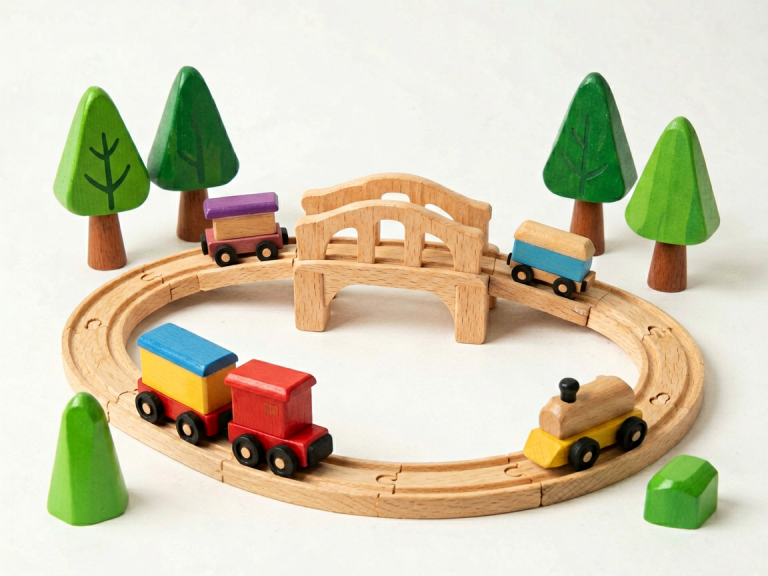
Once a child starts walking, push toys become invaluable. They provide stability and confidence. A sturdy wooden push cart with a handle costs around $20–$30, but for under $50 you can find excellent plastic versions with wheels that offer gentle resistance. Some models include a removable bin for storing blocks or stuffed animals, adding extra play value. Another budget-friendly option is a simple push-along animal—like a snail or dog—that wobbles or makes clicking sounds when pushed. Many of these cost between $8 and $15. For pull toys, look for those with short strings (no longer than 12 inches) to prevent tangling. A pull-along wooden train with two or three cars costs about $18 and helps children understand direction and rhythm. These toys also strengthen arm and leg muscles as toddlers squat to pick them up or change direction.
Musical Toys: Fostering Rhythm and Expression
Music is a universal language for toddlers. A small drum with two mallets (around $12) lets your child explore loud and soft sounds. Some drums have adjustable volume, which is a plus for parental sanity. Maracas, shakers, and egg shakers are inexpensive (often sold in sets of four for $10) and easy for little hands to grip. A xylophone with a mallet is another hit; look for one with metal keys that produce clear tones (around $15–$20). Avoid electronic keyboards with dozens of buttons; they can be overwhelming. Instead, choose simple instruments that require active participation. A rainstick—a tube filled with beads that mimic the sound of falling rain—is mesmerizing for one-year-olds and costs about $8. Remember, the goal is not to create a mini Beethoven but to let your child experiment with cause and effect: shaking a maraca makes noise, hitting a drum harder makes a louder boom.
Interactive Books and Soft Toys: Language and Comfort
Board books with bright illustrations, simple words, and interactive elements (like flaps or touch-and-feel patches) are ideal. Many publishers offer sets of four or five mini board books for around $15. Titles with animal sounds or everyday objects are especially engaging. For soft toys, look for a plush animal that is lightweight and machine-washable. Some soft toys have hidden crinkle paper, squeakers, or rattles inside their paws. A small stuffed elephant or bear with a short-velvet texture costs about $10–$15. Avoid any plush with long fur or loose fibers that could be ingested. Another fun option is a “baby doll” made of soft fabric with simple facial features; one-year-olds love imitating caregiving actions like feeding or hugging. These dolls often come with a removable blanket or bottle, and many cost under $20.
Budget-Friendly Tips: Getting the Most for Your Money
Staying under $50 does not mean sacrificing quality. First, prioritize open-ended toys: those that can be used in multiple ways, such as stacking cups that double as bath toys or building blocks that become pretend food. Second, consider multipurpose items. A single activity gym or play mat with hanging toys can serve for tummy time, sitting play, and later as a cozy reading nook. If you buy used toys from reputable sources (like thrift stores or online marketplaces), inspect them carefully for wear and tear. Many families sell barely used toys for a fraction of the retail price. Third, choose toys that grow with your child. A simple wooden puzzle with large knobs works for a one-year-old, but the same puzzle can later be used for color recognition and vocabulary building. Fourth, avoid “junk toys” that make excessive noise or require batteries—they often break quickly and offer limited play value. Instead, invest in quality materials like solid wood, food-grade silicone, or thick cardboard. Finally, remember that you do not need to buy everything at once. Rotate toys every two weeks to maintain novelty; your child will be equally excited to rediscover a forgotten stacking ring.
Final Recommendations: Our Top 5 Picks Under $50
To help you start, here are five specific toy types that consistently win over one-year-olds and fit within a $50 total budget (prices are approximate):
- Melissa & Doug First Shapes Jumbo Knob Puzzle (~$12) – Chunky wooden pieces with easy-grip knobs; teaches shape recognition and fine motor skills.
- Manhattan Toy Wimmer-Ferguson Sensory Ball (~$14) – A soft, textured ball with multiple developmental features including ribbons, crinkle paper, and a rattle.
- VTech Sit-to-Stand Learning Walker (~$30) – An adjustable walker that converts into an activity center with music, lights, and shape sorters. This single toy covers mobility, cause-effect, and sensory play.
- Sassy Ring O' Links (~$10) – A set of ten colorful plastic rings that link together and can be used for grasping, sorting, or teething.
- Lamaze Soft Book: The Color Train (~$12) – A fabric book with crinkly pages, a mirror, and multiple textures; encourages early reading and tactile exploration.
Total for all five: about $78, but you can choose any three to stay under $50. Alternatively, buy just the walker and the sensory ball for around $44.
Conclusion
Shopping for toys for a one-year-old does not require a hefty budget or a degree in child development. By focusing on safety, developmental milestones, and open-ended categories like sensory toys, stacking sets, push/pull items, musical instruments, and interactive books, you can create a rich play environment for under $50. The best toys are those that invite exploration, allow for mistakes, and spark genuine curiosity. Watch your child’s face light up as they figure out how to stack one block on top of another, or as they chase a rolling ball across the room. Those moments of discovery are priceless, and they cost far less than any trendy gadget. Remember, the most important toy in your child’s life is you—your presence, your voice, and your encouragement. The toys are simply tools that support the journey. So choose wisely, stay within your budget, and enjoy the wonderful adventure of watching your one-year-old grow.