The Surprising Value of Second-Hand Toys for 9-Month-Olds: A Practical Guide for Modern Parents
Introduction
At nine months old, a baby is no longer a passive newborn but an active explorer of the world. They are crawling, pulling up to stand, mouthing everything in sight, and beginning to understand cause and effect. This is a critical period for sensory, motor, and cognitive development. Yet many parents feel pressured to buy brand-new, often expensive toys marketed specifically for this age. What if the best toys for a nine-month-old are actually those that have already been loved by other children? Second-hand toys offer a treasure trove of benefits—from safety to sustainability—that are often overlooked. This article explores why pre-owned playthings can be an ideal choice for babies in this developmental stage, and how to select them wisely.
—
Developmental Milestones at 9 Months and Toy Needs
At nine months, a baby’s brain is forming connections at an astonishing rate. They are developing fine and gross motor skills, hand-eye coordination, object permanence, and early social-emotional awareness. The best toys for this age are those that encourage:
- Sensory exploration: Textures, sounds, colors, and shapes.
- Cause and effect: Toys that respond to actions, like rattles, stacking cups, or activity cubes.
- Grasping and manipulation: Small (but safe) objects to pick up, transfer between hands, and drop.
- Movement: Push toys or stationary activity centers that support cruising and standing.
- Social interaction: Soft dolls, mirrors, or simple musical instruments that invite imitation and play with caregivers.
Many of these toys are available second-hand in abundance. In fact, the very toys that were popular a few years ago—like classic wooden blocks, soft fabric books, or plastic rings—are still perfectly functional and developmentally appropriate. The key is to understand what specific features matter most for this age, rather than being seduced by novelty or packaging.
—
Why Second-Hand Toys Are Ideal for This Age Group
Contrary to the common worry that used toys are somehow inferior, they often come with distinct advantages for nine-month-olds.
1. Reduced Risk of Overstimulation
Modern baby toys are frequently designed with flashing lights, loud electronic sounds, and multiple modes. While these can capture attention briefly, they may overwhelm a 9-month-old’s still-developing nervous system. Second-hand toys, especially those from earlier eras, tend to be simpler, quieter, and more focused on one action at a time. A classic wooden shape sorter or a set of nesting bowls provides deeper engagement than a noisy plastic tablet.
2. Proven Durability and Safety Track Record
Many older toys were built to last—think solid wood, sturdy plastics without sharp edges, and non-toxic paints that have already aged safely. When you buy a second-hand toy that has been on the market for years, you also benefit from hindsight: any major safety recalls are well-documented, and you can easily check if a specific model had issues. New toys, by contrast, may contain untested materials or unforeseen hazards (e.g., choking hazards that only become known after widespread use).
3. Real-World Sensory Qualities
Babies learn through touch, taste, and smell. Second-hand toys often have a worn-in texture—softened fabric edges, gently scuffed wood, muted colors—that feels more natural than the sterile smoothness of freshly manufactured plastic. The slight wear can actually enhance grip for little hands. Moreover, most used toys have already off-gassed any volatile organic compounds (VOCs) from manufacturing, making them safer for a baby who puts everything in the mouth.
4. Encouragement of Imaginative Play
Because second-hand toys are rarely part of a coordinated “set” from a single brand, children are free to combine them in creative ways. A collection of miscellaneous blocks, rings, and soft animals invites a 9-month-old to explore without predetermined narratives. This open-ended quality supports cognitive flexibility.
—
Safety Considerations When Choosing Pre-Owned Toys
Second-hand does not mean second-rate safety, but it does require a more discerning eye. For a 9-month-old, the following precautions are essential:
- Choking hazards: Check for small parts that could fit through a toilet paper tube (the standard test for “choke-sized”). Older toys may have loose beads, button eyes on stuffed animals, or detachable components. Remove or avoid these entirely.
- Toxic materials: Avoid toys made before 1978, which may contain lead paint. Look for a “CPSC” or “ASTM” label indicating compliance with modern safety standards. If in doubt, purchase a lead test kit.
- Structural integrity: Examine seams, hinges, and joints. A second-hand wooden toy with a crack could splinter. Plastic toys should be free from cracks that could pinch tiny fingers.
- Batteries and electronics: If the toy requires batteries, ensure the compartment is secured with a screw—not just a sliding cover—to prevent access. Discard any toys with corroded battery terminals.
- Cleaning: Always sanitize thoroughly. For plastic, use warm soapy water and a diluted bleach solution (1 tablespoon per gallon of water). For wood, wipe with a damp cloth and mild soap, then dry completely to prevent warping. Fabric toys can be machine-washed in a lingerie bag.
—
Top Types of Second-Hand Toys for 9-Month-Olds
Not all used toys are equal. Here are five categories that consistently deliver value and developmental benefit:
1. Baby Activity Gyms and Play Mats
These often come with arches, dangling toys, and mirrors. A second-hand gym is affordable (new ones can cost $40–$80) and can be easily cleaned. Ensure the hanging toys are securely attached and free of strings longer than 12 inches (strangulation risk).
2. Stacking and Nesting Toys
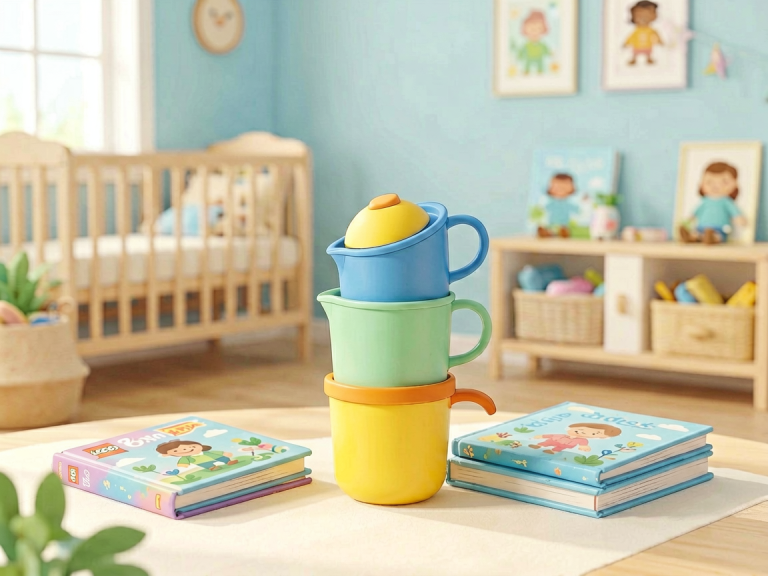
Wooden or plastic stacking rings, nesting cups, and simple blocks are perennial favorites. They teach size discrimination, hand-eye coordination, and persistence. Look for sets that are free of paint flakes.
3. Soft Fabric Books and Crinkle Toys
9-month-olds love the texture and sound of crinkle paper. Second-hand cloth books often have more interesting pictures and stories than modern digital versions. Check for loose stitching or missing pieces.
4. Musical Instruments (Non-Electronic)
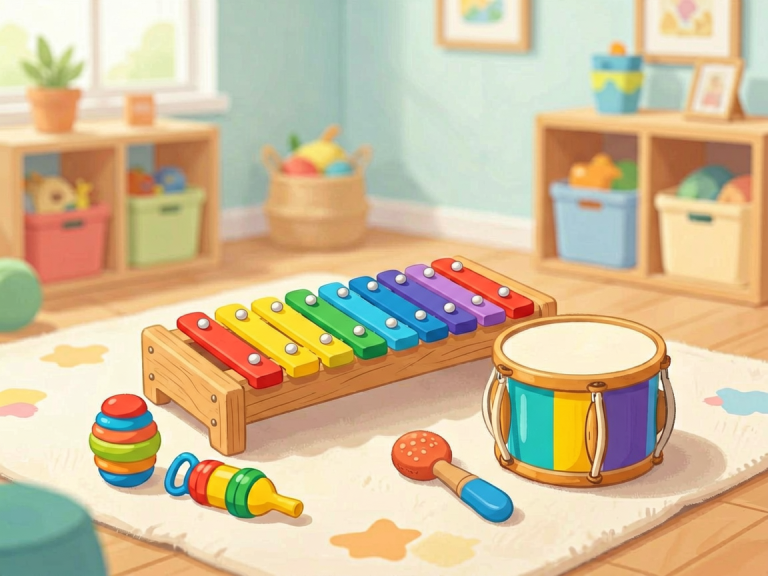
Maracas, wooden shakers, and small drums or tambourines are excellent for cause-and-effect learning. Avoid anything with small pellet fillings that could spill out; opt for solid or sealed designs.
5. Push Toys and Ride-Ons
Stationary push toys with a sturdy base help babies practice standing and walking. Second-hand versions are abundant and usually cheaper. Test the wheels and ensure the toy is stable enough not to tip over when a baby leans on it.
—
Environmental and Economic Benefits
Beyond child development, choosing second-hand toys aligns with broader values of sustainability and fiscal responsibility.
- Reducing waste: The toy industry produces millions of tons of plastic waste annually. By reusing, you keep functional items out of landfills. A 2022 study found that the average family buys over 70 toys per child in the first two years alone; only a fraction are ever recycled.
- Saving money: A high-quality wooden activity cube can cost $50 new; a second-hand one may be $5–$10. That savings can be redirected toward other necessities like a quality car seat or educational books.
- Teaching values: Even though a 9-month-old cannot understand environmentalism, parents model resourcefulness and gratitude. Starting the habit of buying used reduces the pressure to constantly consume.
—
How to Source and Clean Second-Hand Toys
Finding gems requires effort, but the resources are plentiful:
- Thrift stores and consignment shops: Look for dedicated children’s sections. Inspect every item in good lighting.
- Online marketplaces: Facebook Marketplace, Craigslist, and local “Buy Nothing” groups often list free or cheap toys. Filter by “baby” or “infant.”
- Garage sales: Late spring and summer are prime seasons. Arrive early for the best selection.
- Friends and family: Often they are eager to pass on outgrown toys. Accept their generosity openly.
Cleaning protocol:
- Remove batteries from electronic toys before cleaning.
- Wash fabric parts on a gentle cycle with hypoallergenic detergent.
- Sanitize hard surfaces with a non-toxic cleaner (e.g., vinegar and water, or mild dish soap).
- Dry thoroughly to prevent mold, especially in crevices.
- Final inspection: Once cleaned, test each toy again for safety.
—
Conclusion
The idea that a nine-month-old deserves only shiny, new toys is a marketing myth, not a developmental necessity. Second-hand toys, when chosen with care, offer a wealth of sensory, cognitive, and motor benefits while also respecting the planet and your budget. In an era of fast fashion and disposable consumer goods, choosing pre-owned is a quiet act of rebellion—a way to slow down, prioritize quality over novelty, and give your baby the best possible start: one filled with thoughtful exploration, not commercial noise. So next time you see a well-loved wooden block set at a garage sale, remember: that toy has already passed the most important safety test of all—the love of a previous child. Your baby will thank you with their first triumphant stack.