The Hidden Treasures of Childhood: Why Second-Hand Toys Are Perfect for One-Year-Olds
Introduction
When a baby turns one, the world suddenly opens up. Crawling turns into tentative first steps, babbling turns into meaningful sounds, and every object within reach becomes a source of wonder. Parents and caregivers often feel the pressure to provide the newest, brightest, and most educational toys from glossy store shelves. But there is a quieter, more sustainable, and surprisingly more beneficial option that deserves our attention: second-hand toys. For one-year-olds, used toys are not just a budget-friendly choice; they can be a developmentally rich, environmentally responsible, and emotionally meaningful alternative. This article explores why second-hand toys, from chunky wooden blocks to soft plush animals, deserve a prime spot in the playroom of a toddler just starting to explore the world.
The Developmental Needs of a One-Year-Old
A one-year-old is at a remarkable crossroads of development. They are transitioning from infancy to toddlerhood, and their play needs reflect this shift. At this age, children are developing fine and gross motor skills—grasping, stacking, pushing, pulling, and eventually walking. They are also beginning to understand cause and effect, object permanence, and simple problem-solving. Sensory exploration is paramount: textures, sounds, colors, and shapes all feed their rapidly growing brains.
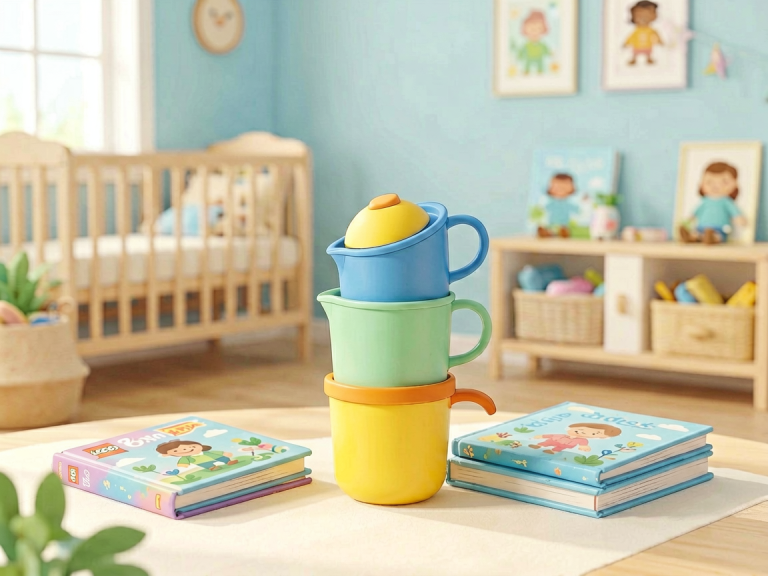
Importantly, a one-year-old does not need complexity. In fact, research in early childhood development consistently shows that simpler toys—those that allow open-ended play—are more beneficial than flashy, battery-operated gadgets. A set of wooden rings, a soft ball, a board book, or a set of stacking cups can occupy a one-year-old for far longer than a singing, flashing plastic toy that does all the work. Second-hand toys are often precisely this kind of simple, durable item. They have already been “tested” by another child, and they come without the marketing hype of “must-have” educational features that often overcomplicate play.
Furthermore, one-year-olds are learning through repetition and imitation. A second-hand toy that has been loved before carries a subtle history; it invites the child to participate in timeless forms of play that have been enjoyed by generations. This continuity is comforting and grounding, even if the child is not consciously aware of it.
Why Second-Hand Toys Are Ideal for This Age Group
There are several practical and philosophical reasons why second-hand toys shine for one-year-olds.
First, durability and safety testing over time. By the time a toy reaches the second-hand market, it has already survived the enthusiastic play of at least one child. If it is still intact, it is likely made of sturdy materials. Wooden toys from brands like Brio, Melissa & Doug, or vintage Fisher-Price are often passed down because they are built to last. For a one-year-old who is still mouthing objects and throwing them across the room, this durability is a huge advantage. Many modern, cheaply made plastic toys crack or break after a few weeks, presenting sharp edges or small parts that become choking hazards. Second-hand toys that have proven their resilience are often safer in this regard.
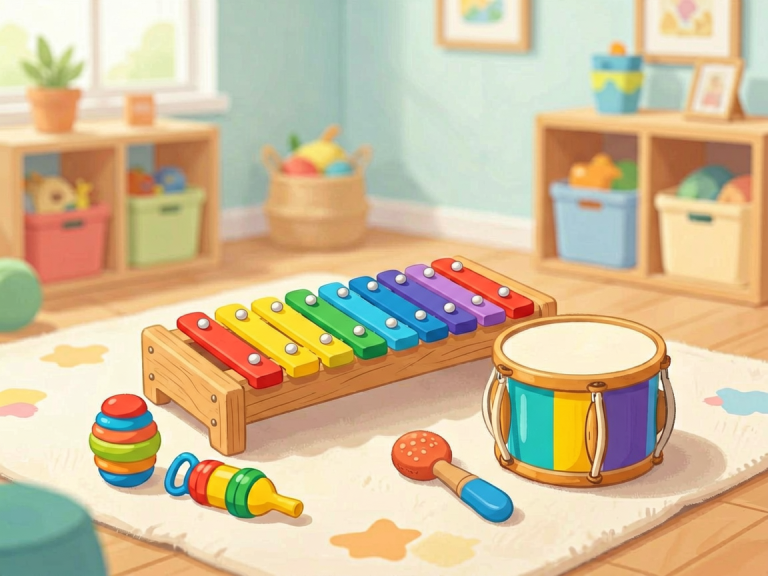
Second, lower cost allows for greater variety. Parents of one-year-olds know that a child’s attention span can be measured in minutes. A baby might adore a rattle for a week, then completely ignore it. Buying all brand-new toys to satisfy this fleeting interest can be prohibitively expensive. Second-hand toys enable parents to build a diverse collection—toys for tummy time, for teething, for stacking, for music, for pushing while walking—without breaking the bank. A thrifted set of plastic keys, a gently used activity cube, and a second-hand push-along walker can provide weeks of exploration for a fraction of the retail price.
Third, second-hand toys often lack overwhelming electronic stimulation. Many modern toys for one-year-olds are designed with loud sounds, flashing lights, and automated responses. While these can be momentarily captivating, they can also overstimulate a young child and discourage creative, self-directed play. Second-hand toys, especially those from previous decades, tend to be quiet and manual. A wooden shape sorter, a set of nesting bowls, or a simple pull-toy encourages the child to initiate interactions, fostering problem-solving and concentration. This aligns well with the Montessori philosophy and with current pediatric recommendations for low-tech play in early childhood.
Safety Considerations When Choosing Second-Hand Toys for a One-Year-Old
While second-hand toys offer many benefits, safety must be the top priority for a one-year-old who explores the world through their mouth. Here are key guidelines for parents and caregivers who want to incorporate used toys.
Check for small parts. Any toy that can fit inside a toilet paper tube is a potential choking hazard for a child under three. Older toys, especially those made before the 1990s, may have small buttons, beads, or detachable pieces that are now considered unsafe. Always inspect thoroughly. Toys like vintage Lego Duplo blocks are generally safe because they are large, but older versions of dolls or cars may have eyes or wheels that can be pulled off.
Look for lead paint and other toxins. Before 1978, many toys were painted with lead-based paint. While a one-year-old is unlikely to eat a toy, they will mouth it. Lead exposure, even in small amounts, is dangerous. If you buy a second-hand toy that is painted and the paint is chipping or flaking, it is best to avoid it unless you can verify it is lead-free. Modern second-hand toys from reputable brands after 2000 are generally safe. For vintage finds, you can purchase lead testing kits at hardware stores.
Verify the absence of recalled toys. Some second-hand toys may have been recalled for safety reasons. Common recalls include toys with magnets that can be swallowed, certain drop-side cribs (though not a toy, relevant for playpens), and toys with strings longer than 12 inches that pose strangulation risks. For a one-year-old, avoid any toy with a long cord, loop, or ribbon. The U.S. Consumer Product Safety Commission website provides a searchable list of recalled toys. A quick check before purchase can prevent accidents.
Clean thoroughly. Second-hand toys can harbor germs, dust, and allergens. Hard plastic and wooden toys can be cleaned with a mild soap and water solution, or a 10% bleach-water mixture (followed by rinsing) for disinfection. Stuffed animals can be machine washed on a gentle cycle. Wipe down electronic toys with a damp cloth, being careful not to get moisture into battery compartments. For books, a wipe with a sanitizing wipe is usually sufficient. After cleaning, let toys dry completely before giving them to a child.
Environmental and Economic Benefits
Beyond child development, second-hand toys for one-year-olds contribute to a larger planetary and household good. The toy industry is a major contributor to plastic waste. According to environmental studies, the majority of plastic toys are not recyclable and end up in landfills, where they take centuries to decompose. By choosing second-hand, you are giving a toy a second life, reducing the demand for new virgin plastic, packaging, and shipping emissions. For a one-year-old who will outgrow toys quickly, this is especially meaningful—each used toy kept out of the trash is a small victory for the environment.
Economically, the savings are substantial. A high-quality, new wooden toy can cost anywhere from $20 to $50. The same toy at a thrift store or a kids’ consignment sale might cost $2 to $5. Multiply this over the dozens of toys a child uses in their first and second year, and the savings can easily reach hundreds of dollars. These funds can be redirected toward other essentials—diapers, books, experiences, or healthcare—or even saved for future educational needs.
Additionally, the second-hand market encourages community sharing. When parents pass on toys to friends or sell them at garage sales, they are building a culture of reuse. One-year-olds benefit from being part of this cycle; they learn, even if unconsciously, that objects have value beyond their monetary price and that sharing and caring for belongings is a normal part of life.
How to Build a Second-Hand Toy Collection for a One-Year-Old
Creating a thoughtful collection of used toys for a toddler does not require luck—it just requires a little strategy.
Start with the basics. Look for toys that support gross motor development: push-along walkers (ensure they are stable and cannot tip over), large balls, and ride-on toys. Also seek out fine motor toys: stacking rings, nesting cups, shape sorters, and simple puzzles with large knobs. Sensory toys like soft fabric books, rattles, and textured balls are easy to find second-hand.
Source wisely. Thrift stores (Goodwill, Salvation Army), consignment shops, Facebook Marketplace, Craigslist, and community “buy nothing” groups are excellent sources. Garage sales and flea markets can yield hidden gems, often for under a dollar. Always inspect toys for condition and safety before purchasing. Ask sellers if they know the age of the toy and if it was used by healthy children.
Rotate toys. One-year-olds benefit from having a limited number of toys available at any given time. Rotating toys every week or two keeps play fresh and engaging without requiring new purchases. A small collection of second-hand toys rotated in this way can feel like an endless source of novelty.
Consider books. Board books are a staple for one-year-olds. Second-hand board books are abundant and cheap. They can be cleaned with a disinfectant wipe. Look for books with bright contrasting colors, simple text, and sturdy pages that can withstand chewing.
Conclusion
Second-hand toys for one-year-olds are not a compromise; they are a wise, loving choice. They support healthy development through simplicity and durability, save money that can be used elsewhere, protect the planet from unnecessary waste, and connect children to a longer story of play. When we choose a used toy, we are choosing thoughtfulness over impulse, sustainability over convenience, and creativity over consumerism. A one-year-old does not care whether their favorite stacking cup was bought new or rescued from a thrift store. They care that it fits in their hand, that it makes a satisfying clatter when dropped, and that it is there to explore again and again. Perhaps that is the truest treasure: a toy that has already been loved, ready to be loved once more.