The Power of Sensory Toys: Nurturing Toddlers Development Through Play
Introduction: Why Sensory and Fidget Toys Matter for Toddlers
In the bustling world of early childhood, toddlers are natural explorers. They touch, taste, shake, toss, and squeeze everything within reach. While some parents may worry about the mess or the constant motion, this sensory exploration is not just random play—it is essential neurological development. Sensory toys, often referred to as fidget toys when designed for small hands, have surged in popularity in recent years. Yet their value extends far beyond a passing trend. For toddlers between the ages of one and three, these toys are powerful tools that support cognitive growth, emotional regulation, motor skill development, and even language acquisition. This article explores why sensory toys and fidget toys are indispensable for toddlers, how to choose them wisely, and practical ways to integrate them into everyday life, all while emphasizing safety and developmental appropriateness.
Understanding Sensory Play in Early Childhood
Sensory play includes any activity that stimulates a child’s senses: touch, smell, taste, sight, hearing, and movement. For toddlers, the brain is rapidly forming neural connections—over one million new connections per second during the first few years. Every time a child squishes a ball of soft clay, listens to the rattle of beads, or runs fingers through a bin of textured fabric, they are building pathways that support future learning and problem-solving.
Fidget toys, a subset of sensory toys, are specifically designed to provide tactile and sometimes visual or auditory feedback. They often feature buttons, switches, textured surfaces, stretchy cords, or spinning parts. While many adults associate fidget spinners with school-age children, toddlers benefit from simpler, sturdier versions. These toys are not merely distractions; they are invitations to focus, explore, and self-soothe.
The Uniqueness of the Toddler Brain
Toddlers experience a “sensory-motor stage” of development, as described by Swiss psychologist Jean Piaget. During this stage, children learn about the world through their bodies and senses rather than through abstract thought. A toys’ weight, temperature, texture, and sound become data for the toddler’s growing understanding of physics, cause and effect, and spatial relationships. For example, when a toddler repeatedly drops a weighted sensory ball, they learn that heavy objects fall faster than light ones. When they squeeze a soft plush toy and hear it squeak, they discover that actions produce reactions. These seemingly simple discoveries lay the foundation for more complex concepts later in life.
Benefits of Sensory and Fidget Toys for Toddlers
1. Enhancing Fine Motor Skills and Hand-Eye Coordination
Toddlers are still developing the smaller muscles in their hands and fingers. Sensory toys that require grasping, poking, pinching, twisting, and pressing are perfect exercises. For instance, a silicone pop-it toy with bubbles that can be pushed in and out encourages a pincer grip, which is critical for future writing skills. A textured ball that is easy to grip helps strengthen the palm and fingers. Fidget toys with snap-lock beads or chunky buttons also promote bilateral coordination—using both hands together—which supports tasks like buttoning a shirt or tying shoes later on.
2. Supporting Emotional Regulation and Calm
Fidget toys are well known for their calming effects. Toddlers often experience powerful emotions but lack the language to express them. When a child is overwhelmed, frustrated, or anxious, repetitive sensory input can help regulate their nervous system. The rhythmic motion of spinning a fidget wheel, squeezing a squishy ball, or rubbing a soft plush surface provides deep pressure and proprioceptive feedback. This input tells the brain where the body is in space and triggers a relaxation response. As a result, toddlers who are given appropriate fidget toys during moments of upset can learn to self-soothe without relying on an adult to intervene every time. This is an early, healthy form of emotional autonomy.
3. Building Vocabulary and Communication Skills
Sensory toys naturally invite language-rich interaction. As a parent or caregiver plays alongside a toddler, they can narrate the experience: “You are rolling the bumpy ball. It is cold and soft. Can you say ‘bumpy’?” The toy becomes a prop for introducing adjectives—smooth, rough, squishy, wobble, jingle, bright, heavy—as well as action verbs like spin, push, pull, and squeeze. When toddlers hear these words in a meaningful, hands-on context, they acquire vocabulary more effectively than from flash cards or screens. Moreover, some sensory toys, such as those that make animal sounds or musical notes, directly encourage imitation and vocalization, which are building blocks of spoken language.
4. Encouraging Curiosity and Problem-Solving
A well-chosen sensory toy is an open-ended question. Why does this ball spin inside the ring? How can I fit the block through the hole? What happens if I turn the tube upside down? Because sensory toys often have multiple ways to play, they push toddlers to experiment and hypothesize. A toddler trying to fit a star-shaped piece into a matching slot is learning about shape recognition and trial and error. A toddler stacking textured rings must judge size and balance. These problem-solving experiences are not just intellectual; they also build patience and persistence—critical traits for lifelong learning.
5. Developing Social and Parallel Play Skills
While sensory toys are often used alone, they can also facilitate social interaction. When two toddlers sit together with a bin of kinetic sand or a shared textured mat, they observe each other, imitate movements, and occasionally exchange toys. These early parallel play moments lay the groundwork for cooperation and empathy. Fidget toys can also serve as conversation starters with adults or older siblings. A child who brings a wobbling toy to a parent is initiating a shared focus of attention, which is a key social milestone. Furthermore, in group settings like daycare, having individual fidget toys can help toddlers respect personal space while still enjoying a group activity.
Choosing Safe and Developmentally Appropriate Sensory Toys
Not all toys on the market are suitable for toddlers. Safety is the first and most important consideration. Since toddlers explore with their mouths, any sensory toy must be free of small parts that could be a choking hazard. Avoid toys with beads, small batteries, or loose components that can detach. Always check labels for age recommendations and certifications like ASTM or CE. Materials should be non-toxic, BPA-free, and durable enough to withstand aggressive chewing or throwing.
Look for toys that are appropriately sized for small hands—larger than the child’s fist but not so large that they are frustrating to hold. Textures are key: variety is good, but avoid toys with sharp edges or extremely rough surfaces that can irritate sensitive skin. Consider washability. Toddlers are messy, so toys that can be wiped down or thrown in the washing machine are ideal for hygiene.
Some excellent examples of sensory and fidget toys for toddlers include:
- Textured silicone poppers (large, without detachable parts) – These offer satisfying pop sounds and tactile feedback.
- Squishy stress balls with fabric covers – Safe to squeeze and gnaw on.
- Water beads inside sealed bags or bottles – Visual delight without ingestion risk (but never loose water beads for toddlers under three).
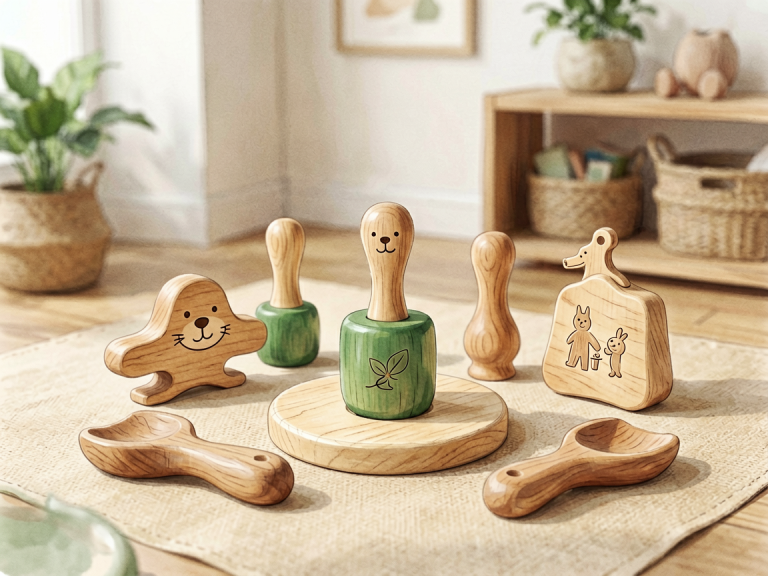
- Wooden or plastic touch-and-feel boards with different fabrics – Great for vocabulary building.
- Stretchy strings (but supervision is needed to avoid wrapping around the neck) – Better suited for older toddlers with adult guidance.
- Rattle cars or textured stacking rings – Combine auditory and tactile input.
- Kinetic sand or homemade sensory bins – Offer open-ended tactile play under close supervision.
It is crucial to remember that a sensory toy is not a substitute for an engaged caregiver. The best outcomes happen when an adult plays, describes, and responds to the child’s actions.
Incorporating Sensory Toys into Daily Routine
Sensory toys are most effective when used intentionally, not just scattered around the playroom. Here are some practical strategies:
Morning Calm and Transition Times
Many toddlers struggle with transitions—from waking to leaving the house, or from playtime to mealtime. A fidget toy can ease these friction points. For example, keep a small textured ball in a basket by the front door. When it is time to put on shoes, let the toddler hold the ball while sitting down. The squeezing action provides sensory input that helps them focus on the routine. During a car ride, a suction-cup fidget toy attached to the window can keep tiny hands busy and reduce frustration during travel.
Quiet Time and Bedtime Wind-Down
After a busy day, a toddler’s nervous system needs to downshift. Soft, passive sensory toys—such as a plush weighted animal, a silky scarf, or a gentle light-up toy—can signal that sleep time is near. Avoid highly stimulating toys that spin or flash quickly in the hour before bed. Instead, choose toys that involve slow motions, like a small sensory bottle filled with glitter and oil. Watching the glitter slowly settle can calm both body and mind.
During Mealtimes and Waiting Periods
Waiting at a restaurant or in a doctor’s office is tough for any toddler. A small, quiet fidget toy—like a silicone ring or a smooth worry stone—can provide just enough distraction to prevent a meltdown. However, toys that make loud noises or have bright blinking lights can overstimulate in already busy public settings. Select toys that are low-profile and quiet, and introduce them only when needed to maintain their novelty.
In Playgroups and Sibling Interactions
Sensory bins (a shallow container filled with dry rice, pasta, sand, or fabric scraps) are excellent for small-group play. Supervise closely to ensure that no one puts items in their mouths. For siblings, provide duplicate sensory toys so that each child has their own. This reduces conflict and teaches sharing by modeling. A shared tactile activity, like squishing a large piece of playdough together, can also be a bonding experience.
Potential Pitfalls and How to Avoid Them
While sensory toys are beneficial, overuse or misuse can undermine their value. One issue is the “toy overload” problem. If a toddler has dozens of fidget toys at their disposal, they may flit from one to another without fully engaging. Limit the number available at any given time. Rotating a small selection weekly keeps toys fresh and encourages deep, sustained play.
Another pitfall is using fidget toys as a constant pacifier. If a child never learns to cope with boredom or mild frustration, they may become reliant on external sensory input. It is fine to offer a toy when a child is distressed, but also allow moments of unoccupied time where the child can explore their own thoughts or simply look around. Furthermore, avoid pulling out a fidget toy the instant a child whines. Instead, give them a chance to problem-solve or express their feelings verbally. The goal is to build emotional resilience, not to eliminate every uncomfortable feeling.
Finally, be mindful of gender stereotypes. Sensory toys are not just for boys or just for girls. A toddler who prefers kitchen-themed baking soda clouds or dinosaur-shaped fidgets should never be discouraged. The developmental benefits are universal.
Conclusion: Sensory Play as a Foundation for Lifelong Learning
Sensory and fidget toys for toddlers are far more than convenient diversions. They are carefully crafted tools that speak directly to the developing brain’s appetite for tactile, auditory, and visual information. From building fine motor skills to soothing emotional storms, from expanding vocabulary to sparking curiosity, these toys offer a rich return on a modest investment. Yet the true magic lies not in the toy itself but in the interaction it inspires. When a caregiver kneels beside a toddler, hands deep in a bin of textured coins or gently guiding a finger across a bumpy path, they are doing the most important work in the world: constructing a brain one sensation at a time.
As parents, educators, and caregivers, we have the privilege of choosing which materials to offer our youngest learners. By selecting safe, age-appropriate sensory toys and using them with intention, we give toddlers the freedom to explore, the comfort to self-regulate, and the confidence to solve problems. In a world that often rushes toward screens and instant answers, these simple, tangible objects remind us that some of the most profound learning happens through the tips of tiny fingers. So go ahead—let your toddler squeeze, spin, pop, and squish. They are not just playing; they are building the very architecture of their future minds.