The Perfect Gift Under the Tree: Why Puzzle Toys and Board Games Spark Joy This Christmas
Every December, millions of shoppers swarm stores and websites in search of the ideal Christmas gift—something that surprises, delights, and perhaps even endures beyond the holiday season. In recent years, electronic gadgets and digital subscriptions have dominated wish lists, but a quiet revolution has been unfolding: puzzle toys and board games are making a powerful comeback. These analog treasures offer something that screens cannot—tactile engagement, shared laughter, and the kind of deep, unhurried concentration that modern life so often denies us. As you ponder what to place under the tree this year, consider the humble yet profound joy of a beautifully crafted jigsaw puzzle or a carefully chosen board game. They are more than mere presents; they are invitations to connect, to think, and to play.
I. The Cognitive and Developmental Benefits of Puzzle Toys
Puzzle toys—ranging from classic jigsaw puzzles to 3D brain teasers and logic cubes—are far more than pastimes. They are powerful tools for cognitive development at every stage of life. For children, assembling a puzzle requires them to recognize patterns, sort shapes, and develop spatial awareness. A toddler fitting a simple wooden shape into its corresponding slot is learning cause and effect, while an older child tackling a 500-piece landscape picture is building persistence and goal-setting skills. Research in developmental psychology consistently shows that puzzle play enhances working memory and executive function, as children must hold multiple pieces in mind while planning their next move.
Adults, too, reap substantial benefits. Solving a complicated puzzle toy—like a metal disentanglement ring or a multi-layer labyrinth—demands focused attention and problem-solving under pressure. In an era of constant digital interruption, these analog challenges offer a rare opportunity for deep flow. Neuroscientists have found that engaging in non-digital puzzle activities can improve neuroplasticity, helping the brain form new connections and potentially delaying age-related cognitive decline. Moreover, the quiet satisfaction of snapping that last piece into place or unlocking a mechanical puzzle releases a gentle surge of dopamine, the brain’s natural reward chemical. This makes puzzle toys not just entertaining, but genuinely therapeutic.
For seniors, large-piece jigsaw puzzles with vibrant images can maintain fine motor skills and provide a sense of accomplishment during long winter evenings. For teenagers, complex 3D puzzles of famous landmarks or mechanical models (like a working clock or a marble run) can spark interest in engineering and architecture. The beauty of puzzle toys lies in their scalability: there is a challenge for every age and ability. When selected as a Christmas gift, they say to the recipient: “I value your mind, and I want to give you the joy of figuring things out.”
II. Board Games: Bringing Families and Friends Together
If puzzle toys are a solitary delight, board games are their social counterpart—and perhaps nothing else can compete with the warmth they generate around a holiday table. Christmas gatherings often involve multiple generations under one roof, and bridging the gap between a tech-savvy teenager and a grandparent can be tricky. Board games provide a neutral, joyful ground where age differences dissolve. A cooperative game like *Pandemic* or *Forbidden Island* forces players to work as a team against a common challenge, fostering communication, empathy, and shared strategic thinking. In contrast, a classic party game like *Codenames* or *Telestrations* creates laughter that echoes through the house and becomes a treasured memory.
The social science behind board games is compelling. According to a 2019 study published in *Games and Culture*, regular board game players report higher levels of life satisfaction and lower levels of loneliness. The face-to-face interaction, turn-taking, and shared emotional highs and lows all contribute to what psychologists call “social bonding.” During Christmas, when family dynamics can be as tense as they are tender, a well-chosen board game acts as an icebreaker. It provides a structured activity that reduces awkward silence and encourages playful banter. Even a simple game of *Uno* or *Skip-Bo* can turn a room of distant relatives into a group of collaborators and competitors, all laughing together.
Moreover, board games are an antidote to the isolating nature of individual screen time. Instead of each family member scrolling through their own phone, a board game compels everyone to look at the same table, the same pieces, the same faces. It is an act of collective presence. For couples, two-player strategy games like *Patchwork* or *7 Wonders Duel* offer intimate but competitive evenings. For larger groups, deduction games like *The Resistance* or social bluffing games like *Werewolf* can spark intense, hilarious debates that last long after the game is packed away. This Christmas, gifting a board game is really gifting an experience—a promise of hours spent together, free from notifications and alerts.
III. Choosing the Right Gift for Every Age and Interest
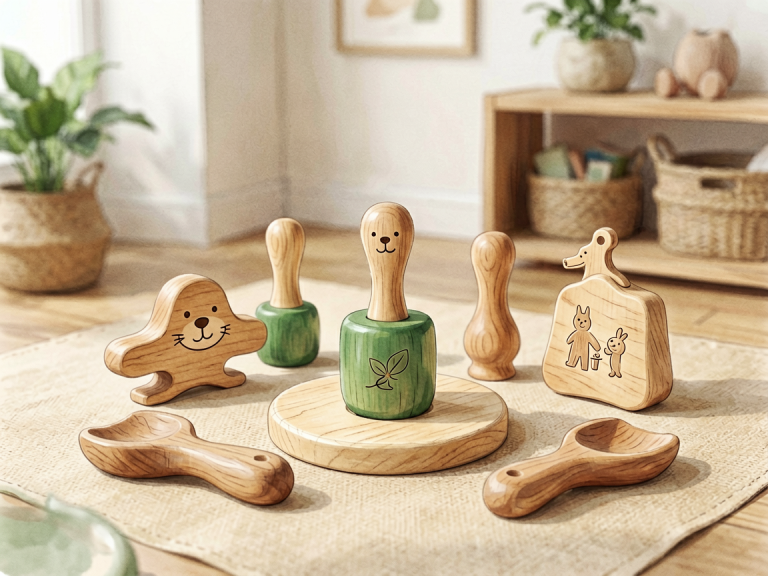
Not all puzzle toys and board games are created equal, and a misjudged gift can end up gathering dust in a closet. The key is to match the complexity and theme to the recipient’s personality and experience level. For young children (ages 3–6), look for large-piece puzzles with bright, simple images—animals, vehicles, or favorite cartoon characters. Wooden peg puzzles or chunky floor puzzles are excellent for developing motor skills. Board games for this age should have very simple rules and short playtime. Classics like *Candy Land* or *The Sneaky, Snacky Squirrel Game* require no reading and reward basic counting and matching.
For elementary school children (ages 7–12), the options expand dramatically. Jigsaw puzzles of 300–500 pieces featuring maps, fantasy scenes, or animals can hold their attention for hours. Puzzle toys like the Rubik’s Cube or its simpler variants (2×2 cubes, pyramid cubes) are both challenging and portable. Board games such as *Catan Junior*, *Ticket to Ride: First Journey*, or *Outfoxed!* introduce light strategy without overwhelming complexity. At this age, cooperative games can be especially valuable because they teach teamwork rather than cutthroat competition.
Teenagers and young adults often crave more intellectual or social depth. For puzzle lovers, consider 3D wooden puzzles from brands like *Ugears* or *Ravensburger*—mechanical models that actually move, like a wooden music box or a miniature carousel. Escape room board games, such as *Unlock!* or *Exit: The Game*, simulate the thrill of a timed escape room in a box, perfect for groups of friends. For board game enthusiasts, a gateway game like *Wingspan* (with its stunning bird art and engine-building mechanics) or *Azul* (a mesmerizing tile-placement game) can open the door to the modern hobby. Party games like *Just One* or *Decrypto* are also excellent for teens who love wordplay.
For adults and seniors, the focus often shifts to relaxation and nostalgia. Large-piece jigsaw puzzles (500–1000 pieces) with scenic landscapes or fine art reproductions are ideal for quiet evenings. Adults who enjoy strategy might appreciate *Carcassonne*, *Splendor*, or the classic *Chess* or *Go* sets with luxurious wooden boards. For older adults with limited vision or dexterity, consider puzzles with extra-large pieces or board games with high-contrast components. The key is to choose something that feels considerate of the recipient’s current abilities, not patronizing.
IV. The Nostalgic and Therapeutic Appeal
Beyond cognitive and social benefits, puzzle toys and board games carry a powerful emotional resonance, especially during Christmas. For many people, these objects evoke childhood memories—the scent of a new puzzle box, the sound of dice rattling in a cup, the comforting ritual of setting up a game board on a holiday coffee table. This nostalgia is not trivial; psychologists call it “reminiscence bump,” and it can enhance mood and strengthen family identity. Giving a jigsaw puzzle of a beloved city or a reproduction of a classic board game from the 1980s (e.g., *Mastermind*, *Scrabble*, *Clue*) taps directly into that emotional wellspring.
Moreover, in an age of anxiety and constant stimulation, puzzle toys offer a form of low-stakes mindfulness. Concentrating on fitting pieces together or solving a logic problem forces the brain to step away from worries and immerse itself in the present moment. This is why many adults now keep a puzzle on a side table, working on it for ten minutes at a time as a break from screen work. Board games, especially cooperative ones, provide a similar effect: the shared focus on a common goal reduces individual stress and promotes a sense of belonging.
Some puzzle toys are explicitly designed for therapeutic purposes. Fidget puzzles, such as the *Hanayama* metal puzzles or the *Thames & Kosmos* logic kits, are often recommended for individuals with ADHD or anxiety, as they provide a productive outlet for nervous energy. Jigsaw puzzles are used in occupational therapy to improve hand-eye coordination and patience in stroke survivors. When you give such a gift at Christmas, you are not just offering entertainment—you are offering a form of self-care wrapped in colorful cardboard.
V. Practical Tips for Selecting and Gifting
To ensure your puzzle toy or board game is a hit, consider a few practical guidelines. First, think about the recipient’s living situation. A large 1500-piece puzzle requires a dedicated table space that may not be available in a small apartment. A compact game like *Love Letter* or *The Game* fits in a pocket and can be played anywhere. Second, check the player count. A game designed for 2–4 players may not work for a large family gathering of eight. Look for games with flexible player counts or variants. Third, read reviews about “replayability.” Some games grow stale after one or two plays, while others (like *Carcassonne* or *Dominion*) offer near-infinite variety through expansions or modular setups.
Packaging matters too. A beautifully wrapped box with a handwritten note explaining why you chose that particular game adds a personal touch. Consider pairing the game with a small accessory: a puzzle mat for rolling up unfinished puzzles, a set of dice trays, or a card organizer. For children, you might add a small bag of treats or a holiday-themed bookmark to make the unboxing even more magical. Finally, don’t be afraid to include yourself in the gift. Many puzzle enthusiasts and board gamers cherish the opportunity to play or puzzle together with the giver. Attach a card that says, “I can’t wait to play this with you on Christmas afternoon.” That invitation is the real gift.
—
Conclusion: A Gift That Keeps on Giving
When you strip away the commercial hype and the glitter, Christmas is fundamentally about connection—to family, to friends, to the childlike wonder that still lives within us. Puzzle toys and board games are vessels for that connection. They do not require batteries, Wi-Fi, or a subscription. They ask only for time, attention, and a willingness to play. In a world that moves too fast, a jigsaw puzzle invites you to slow down. In a culture that increasingly isolates us behind screens, a board game pulls up a chair and says, “Sit here. Let’s laugh together.”
This year, as you shop for presents, consider stepping away from the predictable electronics and the generic gift cards. Instead, wrap up a challenge, a story, and a shared experience. Whether it’s a shimmering 1000-piece puzzle of a snowy village, a cooperative mission to save the planet, or a simple wooden shape sorter for a toddler, you will be giving something far more valuable than a product—you will be giving an opportunity for joy, growth, and human connection. And that, after all, is what Christmas truly celebrates.