The Lure and Lament of Many Pieces: Rethinking the Toy Aisle
Introduction: The Paradox of Plenty
Every parent, gift-giver, or well-meaning relative has faced the moment of decision in a toy aisle. The packaging screams with promise: a 1,000-piece building set, a 500-piece art kit, a 300-piece dinosaur excavation. The child's eyes widen. The price seems reasonable for the sheer volume. But as the cash register rings, a familiar dread settles in: those pieces will soon be scattered across the living room floor, lost under the sofa, vacuumed into oblivion, or simply ignored after the first ten minutes of assembly. The problem of buying toys with too many pieces is not merely a matter of household clutter; it is a complex issue that touches upon child development, environmental sustainability, economic value, and the very nature of modern play. This article explores why we are drawn to piece-heavy toys, the hidden costs they impose, and how we can make wiser choices without sacrificing joy.
The Illusion of Value: Why More Pieces Seem Better
The Marketing of Abundance
Toy manufacturers have long understood that human beings equate quantity with quality. A box containing 1,000 tiny bricks feels more impressive than a box of 50 larger blocks, even if the latter offers more structural integrity or creative versatility. Marketing departments exploit this cognitive bias by emphasizing piece counts on packaging, often in bold, oversized fonts. The message is clear: you are getting more for your money. This illusion is particularly effective for parents who want to feel they have provided their children with an abundant world of possibilities. The promise of endless construction, intricate designs, and hours of focused engagement is intoxicating.
The Child’s Perspective: More Is Not Always More
From a child’s point of view, the initial excitement of opening a massive set is real. However, developmental psychologists note that young children, especially those under the age of six, are easily overwhelmed by excessive choices. A study published in the *Journal of Play* found that children presented with a smaller number of toys engaged in longer and more creative play sessions than those surrounded by dozens of options. The reason is simple: the human brain, particularly the developing brain, requires manageable boundaries to foster imagination. When a child faces a mountain of small pieces, the task of sorting, organizing, and constructing can become daunting. Instead of inspiration, the result is often frustration, abandonment, or a messy scatter that leads to tears when a crucial piece goes missing.
The Hidden Costs of Piece Proliferation
The Chaos of Cleanup
No discussion of toys with too many pieces is complete without addressing the domestic havoc they wreak. Parents spend an estimated average of 15 minutes per day picking up stray toy parts. Multiply that by 365 days, and you have 91 hours per year—nearly four full days—dedicated to retrieving plastic dinosaurs, Lego bricks, puzzle fragments, and board game tokens from under furniture, inside shoes, and between couch cushions. This is not just a trivial inconvenience; it contributes to parental burnout and reduces the time available for meaningful interaction with children. Moreover, the stress of losing pieces can turn a joyful activity into a source of conflict. "Where is the last piece of the puzzle?" becomes a refrain that echoes through households.
Environmental and Economic Waste
The environmental impact of piece-heavy toys is staggering. Most small plastic parts are not recyclable due to their size and mixed materials. When they are lost or broken, they inevitably end up in landfills or oceans. According to a 2022 report by the Ellen MacArthur Foundation, the toy industry produces over 40 million tons of plastic waste annually, much of which comes from small, easily discarded components. Furthermore, the economic value of a toy with many pieces often diminishes rapidly. A complete set might be resold or passed down, but once pieces are lost, the toy becomes functionally useless. Parents who invest in a 200-piece magnetic building set may find that after six months, only 170 pieces remain, rendering the set incomplete and frustrating to use.
The Fragility of Focus
Another overlooked cost is the impact on a child’s attention span. Toys with excessive pieces encourage a "more is better" mentality that can paradoxically shorten play sessions. When children have too many components, they may flit between sub-projects, never fully engaging with any single creation. In contrast, a toy with a limited number of pieces—such as a simple wooden train set or a set of nesting cups—often promotes deeper focus, repetitive practice, and mastery. The Montessori educational philosophy explicitly advocates for minimal, high-quality materials that allow children to explore one concept thoroughly before moving on. The modern toy industry, however, pushes in the opposite direction.
When Many Pieces Work: The Case for Complexity and Age
Developmental Readiness
It is important to note that not all piece-heavy toys are problematic. Older children, particularly those aged eight and above, often benefit from complex building sets, intricate puzzles, and multi-component craft kits. These toys can foster patience, fine motor skills, spatial reasoning, and the satisfaction of completing a challenging project. The key is age-appropriateness. A 12-year-old who loves engineering may thrive on a 2,000-piece mechanical gear set, while a 4-year-old will likely be overwhelmed by the same kit. Parents should match the piece count to the child’s developmental stage and interest level, not to the marketing hype.
Collaboration and Social Play
Toys with many pieces can also be excellent for group play. A large Lego set, for example, can occupy multiple children for hours as they collaborate, negotiate roles, and share resources. In this context, the abundance of pieces becomes a social catalyst rather than a source of chaos. Similarly, board games with many tokens and cards can teach turn-taking, strategy, and sportsmanship. The key is to ensure that the play environment is structured—perhaps with a dedicated play table or a large tray—to contain the pieces and prevent them from scattering.
Practical Strategies for Smarter Toy Purchases
The One-Third Rule
Before buying any toy, consider whether the number of pieces is appropriate for your household. A practical heuristic is the "one-third rule": if you cannot easily imagine storing, cleaning, or replacing one-third of the pieces, the toy is likely too piece-heavy. For instance, a 100-piece craft kit that requires fine motor skills and many tiny beads might be a nightmare for a three-year-old, but manageable for a six-year-old with a dedicated crafting box. Always factor in the storage space you have available. If the toy does not come with a proper container, you will need to provide one.
Prioritize Versatility Over Volume
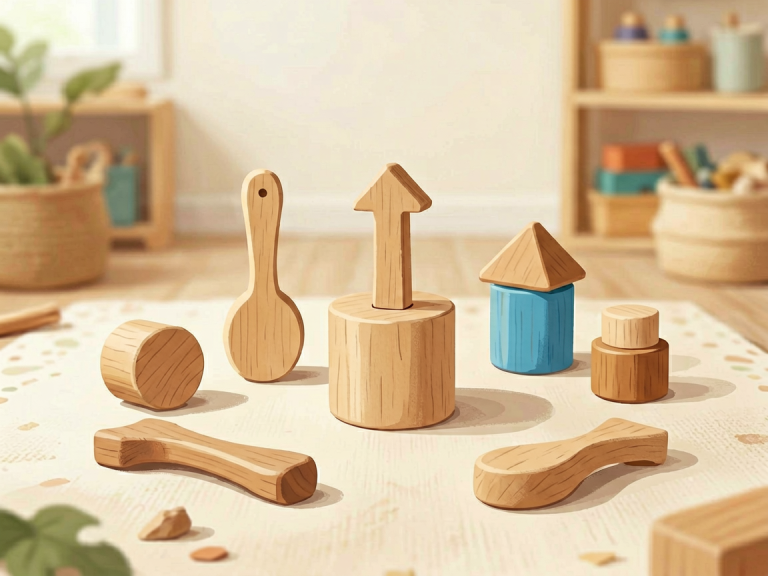
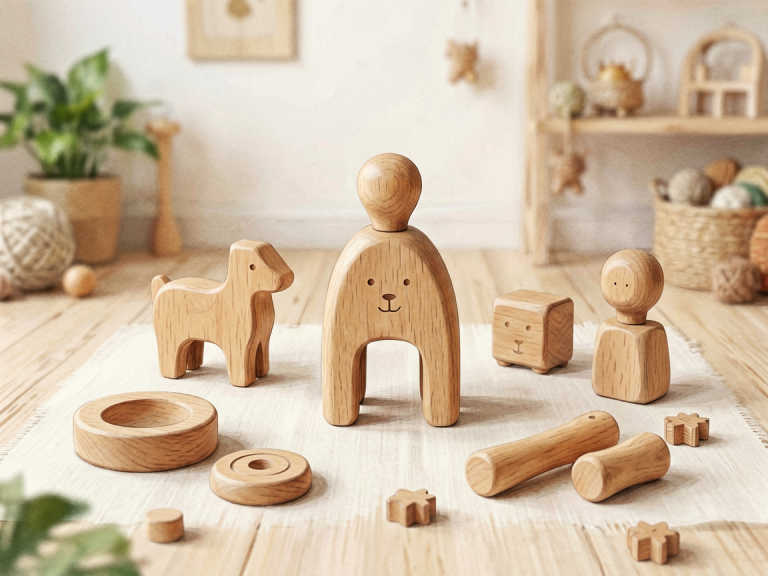
Instead of focusing on piece count, look for toys that offer open-ended play with fewer, larger components. Magnetic tiles, wooden blocks, and interlocking discs (like Plus-Plus or Zoob) can create infinite structures without the need for hundreds of identical bricks. These toys often have a higher cost per piece, but they endure longer because they are less likely to be lost or broken. They also encourage creativity rather than rigid following of instructions.
The Digital Alternative
In an era of increasing screen time, it is worth considering digital alternatives that mimic the experience of many pieces without the physical clutter. Building games like Minecraft, digital puzzle apps, and virtual construction sets allow children to manipulate thousands of "pieces" in a digital space without the cleanup. While screen time has its own drawbacks, it can be a reasonable compromise for families who value the educational benefits of complex construction but cannot manage the physical mess.
Conclusion: Quality over Quantity
The problem of buying toys with too many pieces is ultimately a question of values. Are we buying for the child’s genuine developmental needs, or for the fleeting thrill of abundance? The evidence suggests that less is often more. A small set of high-quality, versatile pieces will serve a child better than a mountain of disposable plastic fragments. As consumers, we have the power to resist the marketing of excess and choose toys that foster deep engagement, creativity, and peace of mind. Next time you stand in the toy aisle, ask yourself: will this toy still be loved after the first piece goes missing? If the answer is no, put it back on the shelf. Your living room—and your child’s imagination—will thank you.