The Paradox of Fragile Toys: Why We Keep Buying Breakable Playthings for Six-Year-Olds
Every parent knows the scene. You walk through the toy aisle, and your six-year-old’s eyes lock onto a brightly colored plastic spaceship, a glittering unicorn figurine, or a superhero action figure with impossibly thin limbs. The price is low, the child’s begging is loud, and you think, “Why not? It’s just a few dollars.” Three days later, you step on a piece of the spaceship’s wing in the living room. The unicorn’s horn has snapped off. The superhero has lost an arm. The toy that promised so much joy now sits in pieces, and your child is crying, or worse, already asking for the next one. This scenario is so common that it feels almost inevitable. Yet we keep buying toys that break easily for six-year-olds, again and again, without stopping to question the deeper logic behind this strange and wasteful cycle. Why do we do it? What does this pattern reveal about parenting, consumerism, and childhood itself? And more importantly, what can we change?
The Allure of the Inevitable Breakage
To understand why we buy fragile toys, we must first look at the moment of purchase. For a six-year-old, a toy is not a long-term investment. It is a vessel for desire, a shiny object that seems to promise immediate adventure. Children at this age are still developing impulse control and the ability to delay gratification. They see a toy, they want it, and they cannot easily imagine that it will break tomorrow. Their brains are wired for the thrill of the new, not for the maintenance of the old. As parents, we are not immune. We are often tired, in a hurry, or simply relieved to find something that might occupy our child for an hour. The low price of mass-produced plastic toys makes them an easy choice for a quick peacekeeping purchase.
Marketing plays a huge role in this dynamic. Toy manufacturers know that six-year-olds are particularly susceptible to bright colors, loud sounds, and characters from popular movies and shows. They design toys that look exciting on the shelf but are structurally weak under real-world play. A dragon with a long tail and thin wings will break the moment a child swings it too hard. A robot with tiny joints will snap when a six-year-old tries to twist it into a new pose. These designs are not accidental. They are built on a business model that relies on frequent replacement. The shorter the lifespan of a toy, the more often it must be bought again. The industry profits from fragility, and parents unknowingly become repeat customers in a cycle that benefits no one except the manufacturer.
There is also a psychological trap called the “sunk cost fallacy,” though at the moment of purchase it appears as mere optimism. We see a cheap toy and tell ourselves that even if it breaks, we have only lost a few dollars. We fail to account for the emotional cost of disappointment, the time spent cleaning up the pieces, and the lesson we are teaching our child. We convince ourselves that this time, the toy will be different. But it rarely is.
What Happens When a Toy Breaks: Lessons and Losses
When a fragile toy breaks, the immediate aftermath is predictable. The child is upset, sometimes furious. A six-year-old does not have the emotional vocabulary to express frustration calmly. They may throw the broken toy, scream, or dissolve into tears. For a moment, the parent feels a mix of irritation and guilt. “I told you it would break,” we say, which only makes the child feel worse. Or we promise to buy a new one, which teaches the child that broken things can always be replaced and that sadness is a problem to be solved with purchases.
But what is really happening in that moment? For the child, a broken toy is not just a broken object. It is a broken promise. The toy represented a story, a game, a source of identity. The superhero who was supposed to save the world is now an amputee. The fairy castle that was supposed to become a magical kingdom is now a pile of plastic debris. The loss is real, and in small ways, it shapes how the child views the world. Repeated experiences with toys that break easily can lead to a cynical resignation: nothing I have will last, so why should I care for it? This is the opposite of what we want to teach.
On the other hand, some parents argue that broken toys offer valuable lessons in resilience. We tell our children to “get over it” and to be grateful for what they have. There is some truth in this. Learning to cope with disappointment is an essential life skill. But there is a difference between coping with accidental loss and coping with predictable, engineered failure. When a toy breaks because it was designed to break, we are not teaching resilience. We are teaching carelessness. We are telling the child that objects have no lasting value, that they are disposable. This undermines the very lessons of respect and responsibility that we try to instill elsewhere, like when we ask a child to keep their room tidy or to handle books with care.
Moreover, the emotional rollercoaster of buying, breaking, and replacing toys can create a damaging pattern in the parent-child relationship. The child learns that money is an antidote to sadness. The parent learns that a new purchase is the quickest way to stop a tantrum. Neither of these lessons is healthy. The child misses the opportunity to develop patience, imaginative reuse, and the satisfaction of fixing something. The parent misses the opportunity to connect with the child through shared activity, like building a fort from blankets or drawing a new adventure on paper.
The Hidden Costs of Cheap Toys
The most obvious cost of buying toys that break easily is financial, but it is far larger than the sum of a few dollars per toy. When you add up all the small purchases over a year, the total can be staggering. A child who receives a five-dollar toy every week, only to have it break within days, costs the family over two hundred and sixty dollars a year. That money could buy a single high-quality, durable toy that would last for years, or it could fund experiences like a trip to the science museum or a family board game night. The true price of fragility is not in the initial sticker price but in the constant drip of repeat purchases that seem trivial in isolation but are significant in aggregate.
Then there is the environmental cost. Mass-produced plastic toys that break quickly become waste almost immediately. Most are not recyclable, and they end up in landfills, where they will sit for centuries. The production process itself consumes petroleum, water, and energy, while generating greenhouse gases. When we buy a fragile toy, we are not just wasting money; we are contributing to a global problem. This hidden cost is invisible to a six-year-old who only sees the bright packaging, but it is a burden that they will inherit. Teaching children to value durable goods is not just a parenting choice; it is an environmental imperative.
Safety is another hidden concern. A toy that breaks easily often breaks into sharp edges or small parts. A shattered plastic piece can cut a child’s finger or become a choking hazard for a younger sibling. The very features that make a toy fragile—long thin appendages, brittle plastic, tiny components—are often the features that make it dangerous. We buy these toys thinking we are giving our children a treat, but we may be giving them a minor injury waiting to happen. The six-year-old age group is particularly vulnerable because they play energetically and may not yet understand the risk of broken parts.
Additionally, fragile toys impose a hidden time cost on parents. The constant cycle of buying, assembling, watching break, and cleaning up is exhausting. Every broken toy requires a decision: to replace it, to repair it, to throw it away, or to let it lie in a corner as a monument to failure. This mental labor is rarely counted in the price of the toy, but it is real. Parents are already stretched thin, and the last thing they need is another source of frustration in their daily routine.
Rethinking Toy Purchases for Six-Year-Olds
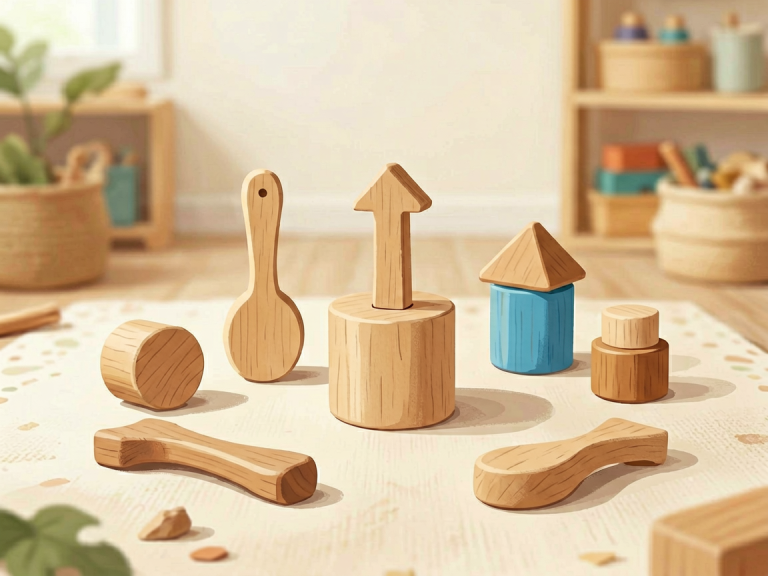
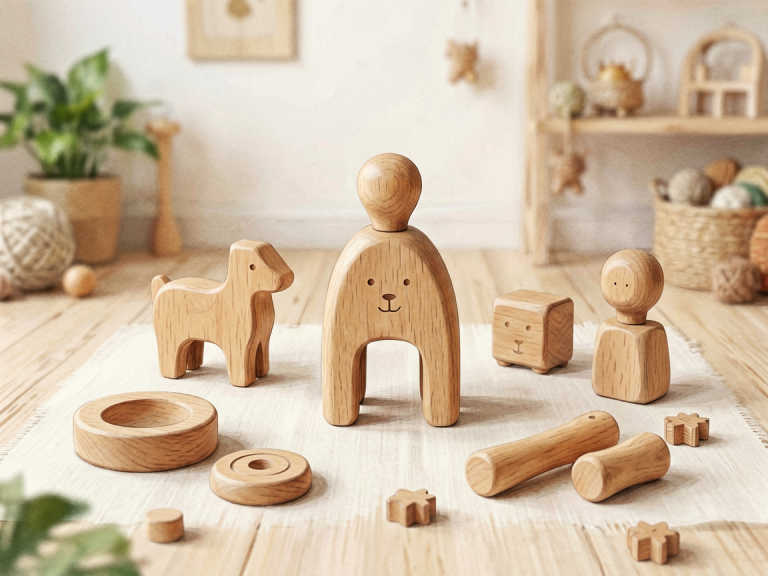
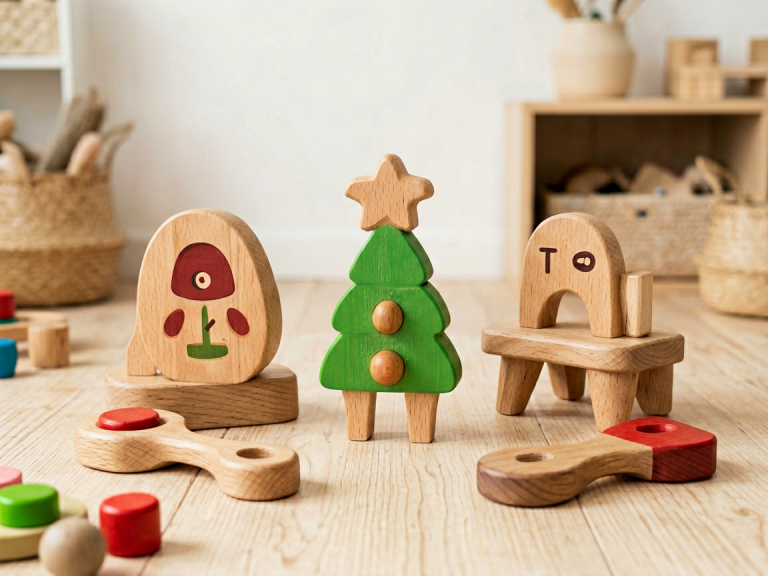
So what can we do? The first step is to recognize that we have more power than we think. We are not helpless against the marketing machines that push fragile toys. We can choose to say no, not only to the toy but to the entire model of disposable consumption. Before buying any toy for a six-year-old, we should ask a few simple questions. Will this toy survive the way a six-year-old actually plays? Six-year-olds are not gentle. They swing, throw, drop, and twist. A toy that cannot survive being dropped from a couch is not a toy; it is a decorative object. We should look for toys that are built to withstand rough play, preferably made of wood, metal, or sturdy, high-quality recycled plastic.
We should also consider the type of play the toy encourages. Open-ended toys, such as building blocks, train sets, art supplies, and simple figurines without fragile details, have been shown to promote creativity, problem-solving, and social skills. A six-year-old can use a set of wooden blocks to build a castle, a rocket, a city, or a farm. The same blocks can be played with the same child years later, and they can be passed down to a younger sibling or a friend. In contrast, a fragile movie-licensed action figure with a laser gun and a cape might be fun for a day, but it quickly loses its appeal because it has only one purpose and cannot be easily repaired.
Another important strategy is to embrace repair and reuse. When a toy does break—because even good toys break sometimes—we should take the opportunity to fix it together with our child. For a six-year-old, repairing a broken toy is a powerful lesson. It shows that problems can be solved, that objects have value, and that effort can restore joy. Simple repairs like gluing a snapped leg, sewing a torn fabric, or reattaching a wheel can be managed with basic household tools. The process might take fifteen minutes, but those fifteen minutes are worth more than a new purchase. They teach patience, collaboration, and the satisfaction of seeing something work again.
We can also shift the focus away from purchasing as the primary way to entertain. A six-year-old does not need a constant stream of new toys to be happy. They need time with their parents, opportunities to run and play outside, books that spark their imagination, and access to everyday materials like cardboard boxes, paper, and tape. A cardboard box can become a spaceship, a cave, or a pizza oven. It does not break in the same way, and if it does, it can be recycled. We should not be afraid to let our children be bored once in a while. Boredom is not a problem to be solved with a toy; it is a doorway to invention.
Finally, we must examine our own relationship with buying. Many of us use toys as a way to express love. We see our child’s face light up at a gift, and we feel like good parents. But the glow of that moment fades quickly when the toy breaks. A more lasting gift would be to teach our children to value quality over quantity. We can model this by saving up for a well-made toy, giving it with ceremony, and explaining why we chose it. The child may not fully understand at age six, but they will absorb the message: we buy things to last, we take care of them, and we do not throw them away carelessly.
Conclusion: A Better Way Forward
The problem of buying toys that break easily for six-year-olds is not really about toys. It is about the values we pass on to our children. Every time we purchase a fragile piece of plastic, we are making a statement about what we believe is acceptable: that things are disposable, that emotions can be soothed with purchases, and that manufacturers should be rewarded for making shoddy products. We can do better. We can choose durable toys that match the energy of a six-year-old. We can repair broken things instead of discarding them. We can give our time and attention rather than another object that will soon be forgotten. We can teach our children that joy does not come from the constant acquisition of new things, but from imagination, effort, and care.
The next time your child points to a shiny, cheap toy with wings that look too thin to survive a single flight, pause. Take a breath. Imagine the toy broken on the floor in three days. Then look at your child’s face and think about what you really want to give them. It is not another piece of plastic. It is a lesson that lasts longer than any toy. And that lesson is worth more than all the fragile treasures in the store.