The Paradox of Cheap Toys: Why We Keep Buying Things That Break for Nine-Year-Olds
Introduction: A Familiar Scene
Every parent knows the moment. You walk into a brightly lit toy store, your nine-year-old’s hand wrapped around yours, pulling you toward a towering display of plastic spaceships, action figures with glowing eyes, or a remote-controlled dinosaur that promises to walk, roar, and spit fake fire. You glance at the price tag—reasonable enough. You look at your child’s face, lit with desperate hope. You buy it. Two weeks later, you find the dinosaur’s tail snapped off, its left leg detached, lying in a sad heap under the sofa. The remote control is missing two buttons. The roar has become a pathetic wheeze. And your child, already bored, is begging for the next shiny thing.
This is not an isolated accident. It is a pattern embedded in modern consumer culture, a quiet epidemic of “disposable playthings” aimed squarely at children around the age of nine. Why do we keep buying toys that break easily? The answer is a tangled knot of economics, psychology, child development, and marketing genius. To untangle it, we must first understand the strange world of a nine-year-old—an age caught between childhood wonder and preteen sophistication, between imaginative play and the desire for status, between endless energy and fleeting attention.
The Nine-Year-Old Mind: Built for Obsession, Not Durability
At nine, children are not toddlers who chew on blocks or preschoolers who cuddle plush bears. They are on the cusp of what psychologists call the “age of reason” plus a heavy dose of social comparison. They want things that make them look cool, things their friends have, things that seem grown-up. Toy manufacturers know this deeply. They also know that a nine-year-old’s attention span for a single toy is measurable in days, not years. Durability is irrelevant if the child stops caring before the toy breaks.
Nine-year-olds are active, impulsive, and curious. They throw, twist, crash, and yank. They test limits—not just of their parents, but of physical objects. A toy that survives a gentle touch is not enough; it must survive being launched across the room, dropped down the stairs, or used as a hammer to build a fort. The cheap plastic toy fails these stress tests by design. Yet the child does not experience the failure as a flaw. The broken toy becomes a piece of evidence—proof that the item was “used” and “loved.” It also becomes an excuse to ask for a replacement. In this twisted logic, breakage is a feature, not a bug.
Moreover, nine-year-olds are in a stage of rapid cognitive development. They understand cause and effect, but they are still learning delayed gratification. They want immediate gratification from a toy—lights, sounds, movement, surprise. Cheap toys deliver that instantly. They are engineered to dazzle for the first hour. The hidden costs—poor hinges, brittle plastic, non-replaceable batteries—only reveal themselves later. By then, the dopamine hit has faded. The child’s brain has moved on to the next commercial break.
The Economics of “Good Enough” Toys
Manufacturers are not stupid. They know that a child can intimidate a parent into buying a toy with a simple tantrum or a well-timed puppy-dog look. They also know that parents are often time-poor, stressed, and eager to buy peace. The result is a race to the bottom in quality, masked by flashy packaging and licensed characters.
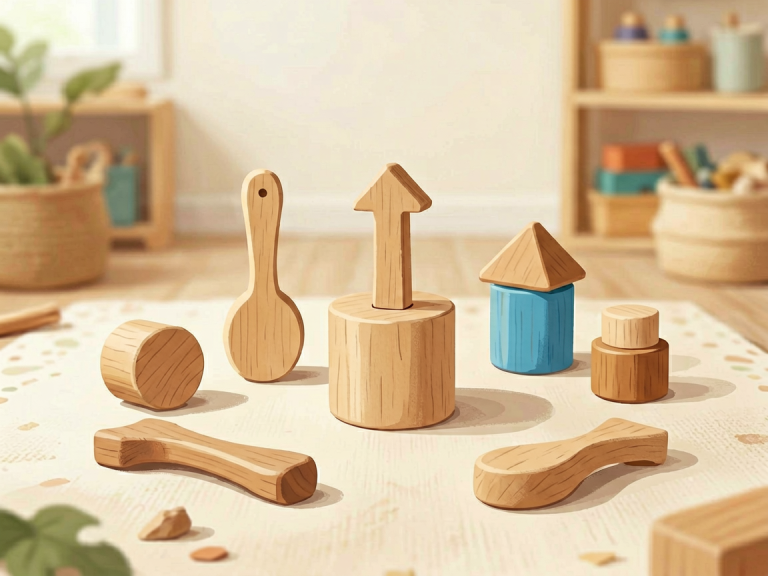
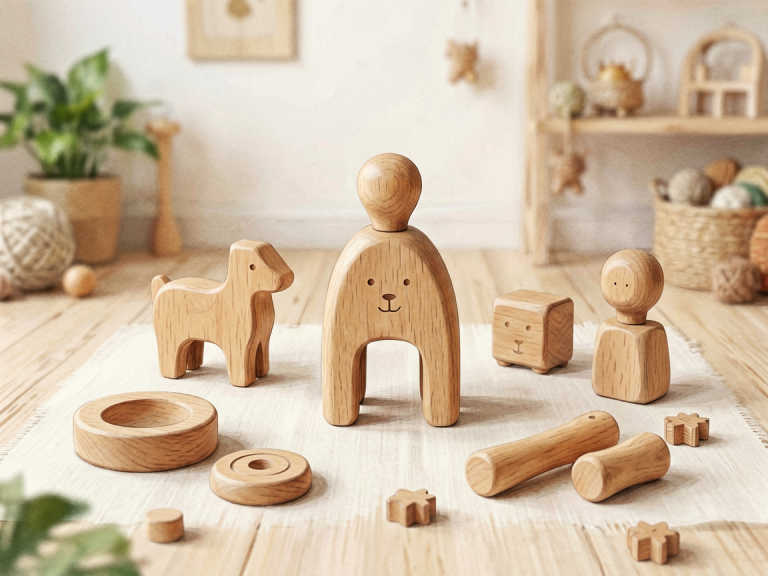
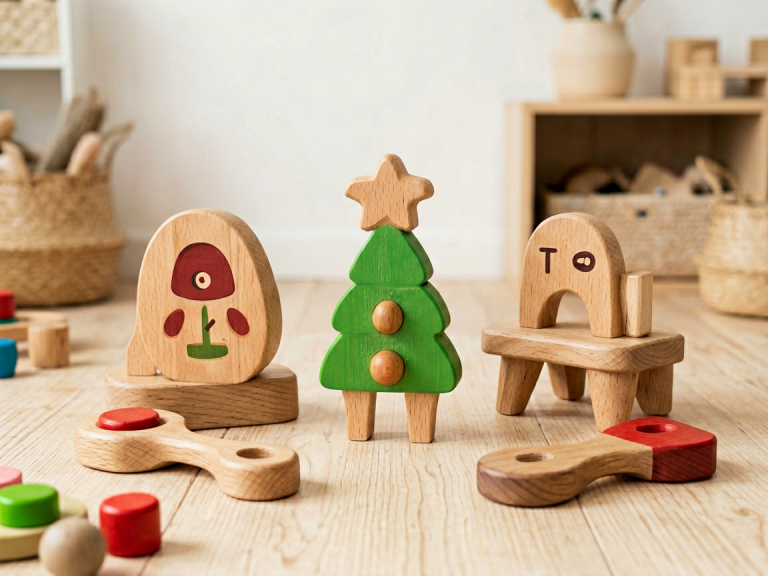
Consider the cost structure. A well-made wooden toy, carved from solid maple, with metal axles and non-toxic paint, might cost $40 and last for a decade. A cheap plastic action figure from the same franchise costs $12 and shatters into five pieces within a month. The profit margin on the cheap figure is surprisingly high because the plastic is injection-molded in seconds, and the labor is pennies. But the real genius is in the replacement cycle. When the cheap toy breaks, the child demands another. The manufacturer relies on repeat purchases. They are not selling a toy; they are selling a subscription to fleeting satisfaction.
This economic model has a name: planned obsolescence. It is the same strategy used by printer manufacturers and smartphone brands. But in the toy industry, it is even more brazen because the target consumer is a child who has no concept of value. A nine-year-old does not think, “This toy costs $12, which is equivalent to one hour of my parent’s labor.” The child thinks, “I want it.” So the parent foots the bill, twice or thrice over, while the manufacturer laughs all the way to the bank.
There is also a perverse incentive for retailers. Displays are designed to be impulse-buy friendly, with cheap toys stacked near the checkout. The packaging is loud, with bold claims: “Ultimate Battle Bot!” “Mega Launcher!” “Hyper Mode!” The toy itself is often a thin, hollow shell that barely fits the batteries it requires. The packaging is more durable than the product. But the child does not buy packaging; the child buys the dream. And the dream breaks.
The Hidden Curriculum: What Broken Toys Teach Children
Some parents argue that cheap toys are not a waste—that they teach children about loss, responsibility, and the consequences of rough play. But this is a rationalization. A broken toy does not teach a nine-year-old to be gentle; it teaches cynicism. It teaches that objects are disposable. It teaches that frustration is solved by buying a replacement. It teaches that quality does not matter. These are dangerous lessons for the next generation of consumers.
When a child watches a toy crack on the third day, they internalize a subtle message: nothing lasts, so why care? This can generalize to other areas. Why take care of a library book if it’s going to fall apart anyway? Why finish a video game if the next level is already glitching? Why keep a friendship if disagreements are like broken parts—simply discarded? The toy is a small object, but the mindset it creates is large.
Furthermore, the rapid breakage of toys undermines a child’s sense of agency. A nine-year-old is at an age where they want to fix things, build things, and master their environment. But a cheap toy that snaps on first impact offers no opportunity for repair. The plastic is not meant to be glued; it is meant to be replaced. The child learns helplessness. Instead of problem-solving, they learn to ask for more. This is the opposite of what good toys should do. Good toys challenge the child. They break in ways that invite repair. They provide open-ended play. They are companions, not distractions.
There is also a environmental and moral dimension. Nine-year-olds today are acutely aware of climate change. They see news about plastic pollution and endangered species. Yet their parents hand them a piece of cheap plastic that will live in a landfill for 500 years, only to be replaced next month by another piece of plastic. This hypocrisy is not lost on children, even if they cannot articulate it. They begin to see adults as contradictory figures who preach sustainability while buying trash. The broken toy becomes a testament to adult apathy.
The Marketing Trap: How “Nine-Year-Old Appropriate” Is a Lie
Toy companies spend billions on research to understand the precise vulnerabilities of nine-year-olds. They know that at this age, children are transitioning from “playing” to “collecting.” The transition is fueled by television commercials, YouTube unboxing videos, and peer pressure. Marketers use a trick called “the collectability hook”: they release a line of toys, each sold separately, with rare variants. A child may buy five figures before discovering that the sixth is the only one that matters. The cheap plastic is not the point; the completion is. But because each figure is flimsy, the collection is constantly breaking, constantly incomplete. The child is kept on a treadmill of desire.
Another trick is the “innovation illusion.” The packaging promises something new—a feature that was not in last year’s model. But the innovation is often superficial: a slightly different color scheme, a new sound chip, a flimsier joint system. Because the toy breaks quickly, the child cannot truly explore the innovation. They only receive the initial thrill of novelty. This is a classic hedonic adaptation loop. The first toy is exciting. It breaks. The second toy is more exciting. It breaks. The third is less exciting. But the child cannot stop, because the habit of acquisition has been trained.
Parents are complicit too. We feel guilt about working long hours, so we buy toys as compensation. We see our child’s disappointed face when a toy breaks, and we buy another to wipe away the tears. We are trapped in a cycle of buying, breaking, and buying again, all because we have been convinced that a new object is the fastest route to a happy child. But the happiness is as fragile as the toy.
Better Ways: Teaching Children to Value What Lasts
The solution is not to stop buying toys entirely. It is to change the criteria. For a nine-year-old, the best toys are often the ones that cost more upfront but deliver years of value. A good set of building blocks, a quality chess set, a sturdy skateboard, a canvas and paints, a real tool kit with a small hammer—these invite creativity and mastery. They do not break the first week. When they do break, they can be repaired. That repair process is itself an education in patience and resourcefulness.
Parents can also involve the child in the decision. Before buying a toy, ask: “Will this still be interesting in a month? What happens if it breaks? Can we fix it?” This simple conversation shifts the child from passive consumer to thoughtful steward. It also helps the child understand that money is finite and that quality is a value. If a cheap toy breaks, do not immediately replace it. Let the child experience the loss. Let them save their allowance for a better version. Delayed gratification is a skill, and it is best learned young.
We might also consider the “one-in, one-out” rule for toys. When a new toy arrives, an old one must leave—donated, recycled, or placed in a repair bin. This reduces clutter and forces the child to think about what they truly value. It also makes the new toy feel more meaningful because it is a conscious choice, not an impulse buy.
Finally, we should embrace the concept of “boring” toys. The most durable and educational toys are often simple: balls, rope, paper, cardboard, magnifying glasses, magnets. A nine-year-old with a roll of duct tape and a big cardboard box can build a fort, a spaceship, a time machine. The box does not break easily, and when it does, it is replaced by another box. The play is in the design, not the product.
Conclusion: Breaking the Cycle
The image of a nine-year-old holding a broken toy is not just a domestic annoyance. It is a symbol of a consumer culture that values quantity over quality, novelty over longevity, and instant gratification over deep satisfaction. We keep buying toys that break because it is easy, because it is normalized, and because the toy industry has perfected the art of selling short-lived joy. But we do not have to accept this cycle.
By choosing more durable, meaningful toys, by teaching our children to appreciate and repair the things they own, and by questioning the marketing that pushes fragility, we can raise a generation that understands the true cost of things. The broken toy can become a lesson—not in helplessness, but in awareness. The next time your nine-year-old begs for that glittery, brittle piece of plastic, take a breath. Ask a few questions. Offer a better alternative. It might cost more now, but it will save more than money. It will save the idea that what we own should last, and that what breaks can be fixed. That is a lesson worth far more than any toy.
And perhaps, just perhaps, the dinosaur with the snapped tail can be glued back together. The scar will show. The roar may never recover. But the child will remember that something broken does not have to be thrown away. That is a beginning.