The Hidden Value of Used Toys: A Guide for Parents of Three-Year-Olds
Introduction
When a child turns three, the world of play expands dramatically. Their cognitive, motor, and social skills are developing at lightning speed, and the toys they interact with become vital tools for learning. Yet, in an era of relentless advertising and ever‑changing trends, many parents feel pressured to buy brand‑new, flashy, and often expensive toys. What if the best toys for a three‑year‑old are not the ones fresh off the factory line, but those that have already been loved by another child? Used toys, when carefully selected and prepared, offer remarkable benefits—financially, environmentally, and developmentally. This article explores why pre‑owned toys can be an ideal choice for three‑year‑olds, how to source them safely, and how they can enrich a toddler’s growth and imagination.
Why Used Toys Are Ideal for Three-Year-Olds
Three‑year‑olds are in a phase of rapid exploration and sensory discovery. They often outgrow toys quickly, losing interest after a few weeks or breaking them in moments of exuberant play. Investing heavily in brand‑new toys can lead to both financial waste and clutter. Used toys, by contrast, come at a fraction of the cost, allowing parents to offer a greater variety of playthings without breaking the budget. A toddler can cycle through different puzzles, building blocks, and role‑playing sets, each promoting different skills, while the family’s total expenditure remains manageable.
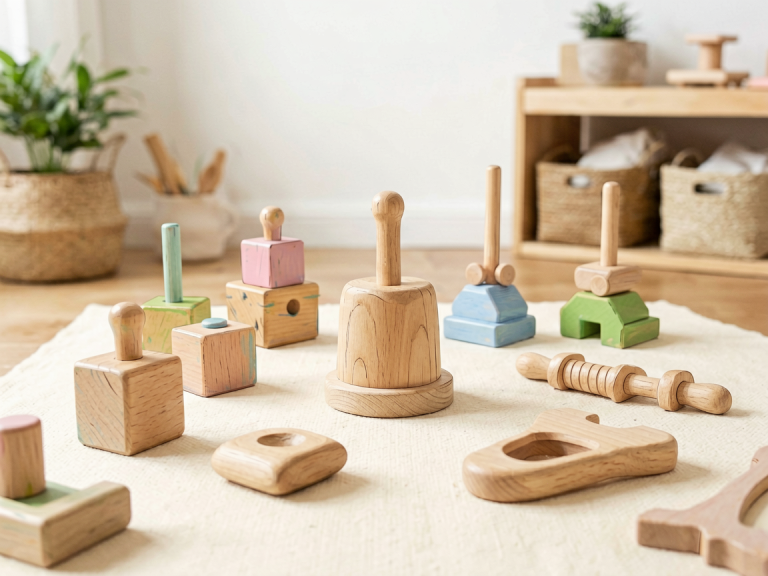
Moreover, many used toys possess a charm that new plastic items lack. Classic wooden blocks, vintage train sets, or well‑worn picture books carry a tactile history. A three‑year‑old may be drawn to the slight wear on a toy truck, which gives it character and suggests countless imaginative journeys. Used toys also encourage resourcefulness: a child who plays with a second‑hand doll knows that it was once someone else’s companion, subtly planting seeds of empathy and sharing.
Safety Considerations When Choosing Pre-Owned Toys
Safety is, understandably, the top concern for any parent considering used toys. Three‑year‑olds still put objects in their mouths, and their motor skills are not yet refined enough to avoid small parts or sharp edges. Therefore, a thorough inspection is essential.
First, check for parts that could be choking hazards. Any toy with small pieces—especially those that can fit inside a toilet paper roll—should be avoided unless the pieces are securely attached. Look for loose buttons on stuffed animals, detachable wheels on cars, or brittle plastic that could snap into sharp shards.
Second, examine the toy’s surface for toxic materials. Older toys may contain lead paint or BPA‑laden plastics. In the United States, toys manufactured after 2008 are generally safe under the Consumer Product Safety Improvement Act, but pre‑1980s toys are riskier. If you are unsure, you can buy a home lead‑testing kit. Likewise, avoid toys with strong chemical smells or sticky residues; these may indicate exposure to mold or harsh cleaning agents.
Third, consider the toy’s structural integrity. A cracked or splintered wooden block can cause splinters; a frayed rope on a pull‑toy might become a strangulation hazard. Do a hands‑on exam: tug on seams, squeeze the toy, and listen for rattling (which could signal loose internal parts). Battery compartments should be secured with screws, not tape, to prevent a child from accessing batteries.
When in doubt, ask the seller about the toy’s history—how old it is, whether it was used by a smoker or around pets, and whether it has been recalled. Many communities have “toy swaps” where parents trade items they know are safe, providing an added layer of trust.
Educational and Developmental Benefits
Used toys are not merely a bargain; they can be powerful educational tools. Three‑year‑olds are at a prime age for developing fine motor skills, problem‑solving abilities, and language. Classic, often‑used toys like stacking rings, shape sorters, and large‑piece puzzles are ideal because they demand concentration and hand‑eye coordination. A second‑hand set of Duplo blocks offers endless opportunities for building, knocking down, and rebuilding, teaching cause and effect and spatial reasoning.
Pretend‑play toys—kitchen sets, doctor kits, tool benches—are especially valuable in used form. A pre‑owned plastic stroller or a slightly scuffed cash register can spark role‑playing scenarios that build vocabulary and social skills. When three‑year‑olds act out everyday situations (“I’m the mommy and I’m making soup”), they practice sequencing, negotiation, and empathy. Because used toys often have a less polished appearance, children may feel freer to experiment: a chipped teacup becomes a treasure, a worn‑out apron becomes a superhero cape.
Books, too, are a quintessential used toy for three‑year‑olds. Well‑loved picture books with slightly bent pages or a few crayon marks can still engage a toddler’s imagination. Repeated readings of the same story build pre‑literacy skills—predicting plot, recognizing familiar words, and understanding narrative structure. Second‑hand books also allow parents to build an extensive library at low cost, exposing children to diverse themes and illustrations.
Furthermore, used toys often come in sets that encourage cooperative play. A second‑hand set of plastic animals, for instance, can help a three‑year‑old learn to categorize (farm animals vs. zoo animals) and practice counting. The slight imperfections in used toys can even teach resilience: a child learns that a toy with a missing wheel can still be fun in a different way, fostering creative thinking.
How to Source and Clean Used Toys
Finding high‑quality used toys requires a little effort, but the rewards are considerable. Start with friends and family: hand‑me‑downs from older cousins or neighbors often come with a reliable history. Online marketplaces like Facebook Marketplace, Craigslist, or local Buy Nothing groups are gold mines, though you must inspect items before purchasing. Thrift stores and consignment shops typically screen for gross hazards, but it’s still wise to check. Garage sales can yield hidden gems, especially early in the morning before others scoop up the best items.
Once you bring a used toy home, cleaning is non‑negotiable. Hard plastic toys can be washed with warm soapy water, scrubbed with a toothbrush in crevices, and then rinsed thoroughly. For wooden toys, wipe them down with a mild vinegar‑and‑water solution (1:1 ratio) and let them air dry—avoid soaking as water can warp the wood. Stuffed animals can be machine‑washed on a gentle cycle in a pillowcase, then dried on low heat; check that no internal beans or squeakers are loose first.
Pay special attention to toys that come into contact with mouths, such as teethers or plastic blocks. You can sanitize them by wiping with a cloth dampened with a very diluted bleach solution (1 tablespoon of bleach per gallon of water) and then rinsing with clean water. For electronic toys, use a barely damp cloth to wipe surfaces and avoid getting moisture near battery compartments. Finally, let everything dry completely before giving it to your child.
Encouraging Sustainability and Generosity
Introducing used toys to a three‑year‑old is not just a practical choice; it’s a lesson in environmental stewardship. Young children are naturally curious about how things work and where they come from. By explaining that a toy once belonged to another child who outgrew it, parents can gently teach the concepts of reusing and reducing waste. Over time, a toddler may come to see “pre‑loved” toys as special rather than second‑rate.
Parents can also involve the child in the donation process. When the three‑year‑old outgrows a toy, encourage them to help clean it and pass it on to a younger friend or a local charity. This simple act fosters generosity and a sense of community. A child who experiences both receiving and giving used toys develops a balanced understanding of material possessions—that objects have value beyond their price tag.
Conclusion
The world of used toys offers a treasure trove of opportunities for three‑year‑olds. Far from being a mere cost‑saving measure, thoughtfully chosen pre‑owned toys can match or even surpass new ones in educational value, safety, and emotional richness. They stimulate creativity, teach sustainability, and allow parents to curate a diverse play environment without financial strain. Of course, careful inspection and cleaning are essential, but the effort pays off in toys that are both beloved and beneficial.
The next time you see a stack of second‑hand puzzles at a thrift store or a box of gently used matchbox cars at a garage sale, do not dismiss them. For a three‑year‑old, those toys carry stories, possibilities, and lessons that no shiny package can replicate. Embrace the hidden value of used toys, and watch your child’s imagination—and your budget—thrive.
*(Word count: approximately 1,250)*