The Hidden Dangers of Buying Unsafe Second-Hand Toys for Five-Year-Olds
Introduction
Every parent knows the joy of watching a five-year-old unwrap a new toy—the sparkle in their eyes, the immediate embrace of a plastic dinosaur or a plush bunny. Yet in an era of rising living costs and growing environmental consciousness, many families turn to second-hand markets: garage sales, online marketplaces, charity shops, and hand-me-downs from relatives. The appeal is undeniable—saving money, reducing waste, and sometimes finding nostalgic treasures. However, behind the bargain price tag often lurk serious risks that can turn a cheerful playroom into a scene of injury, poisoning, or even long-term developmental harm. This article explores the multifaceted dangers of buying unsafe second-hand toys for five-year-olds, providing parents, caregivers, and community members with the knowledge they need to make informed decisions and protect the most vulnerable members of our society.
The Appeal of Second-Hand Toys: Cost, Sustainability, and Sentiment
At first glance, the decision to buy second-hand toys seems entirely rational. A brand-new, safety-tested action figure might cost $15, while the same toy from a thrift store can be had for $2. For families on tight budgets—especially those with multiple young children—the savings can be substantial over time. Moreover, the sustainability movement encourages reusing goods to reduce the environmental footprint of plastic and electronic waste. There is also a sentimental draw: vintage or discontinued toys that are no longer manufactured often carry a nostalgic value for parents, who want to share pieces of their own childhood with their kids. These motivations are understandable and even commendable. Yet they can blind well-meaning adults to the fact that a toy’s age, origin, and condition are not just trivial details—they are critical safety parameters.
Hidden Hazards: Recalls, Wear and Tear, and Contamination
The most obvious danger of second-hand toys is that they may have been subject to safety recalls that the original owner never acted upon. Each year, consumer protection agencies like the U.S. Consumer Product Safety Commission (CPSC) and the European Commission’s Safety Gate issue recalls for thousands of toys due to excessive levels of lead, phthalates, small parts that can choke, or batteries that overheat. A search of CPSC archives reveals chilling examples: toy cars with lead-based paint applied to the wheels, dolls with magnetic components that can detach and cause intestinal damage if swallowed, and even wooden puzzles coated with toxic varnishes. When a toy is purchased second-hand, the recall notice may never reach the new owner. The original buyer might have discarded the registration card, moved, or simply forgotten. The result is that a five-year-old—a child at an age of intense oral exploration and curiosity—can end up mouthing a painted piece that contains up to ten times the legal limit of lead.
Beyond recalls, ordinary wear and tear poses significant risks. A stuffed animal that has been loved for years may have loosened seams, exposing foam beads or polyester filling that can be inhaled or ingested. A plastic truck may develop sharp edges after being dropped repeatedly on a hard floor. Electronic toys often have battery compartments that no longer close securely, especially if the original screws have been lost and replaced with duct tape. A five-year-old’s small fingers can pry open such compartments and access button batteries—a well-known hazard that can cause severe internal burns within hours. Furthermore, second-hand toys carry invisible contaminants: residue from cleaning products, mold spores from damp storage environments, allergens like dust mites and pet dander, and even traces of bodily fluids. A child with asthma or eczema can have a severe reaction to a seemingly harmless plush toy brought home from a flea market.
Choking Hazards, Lead Paint, and Other Safety Violations
The developmental stage of a five-year-old makes them uniquely vulnerable to certain dangers. While infants and toddlers are known for putting everything in their mouths, five-year-olds are more capable but still impulsive. They may test the structural limits of a toy—biting off a plastic leg, trying to jam a small ball into their nose, or tearing apart a fabric doll to see what is inside. Second-hand toys that fail to meet modern safety standards are especially treacherous. For example, toys manufactured before the 1990s often contain paints with lead levels that would now be illegal. Lead poisoning in children can cause irreversible cognitive impairment, behavioral issues, and hearing loss, even at low exposure levels. Similarly, older plastic toys may contain phthalates—chemicals used to soften plastic that are now banned in many countries because they disrupt endocrine systems.
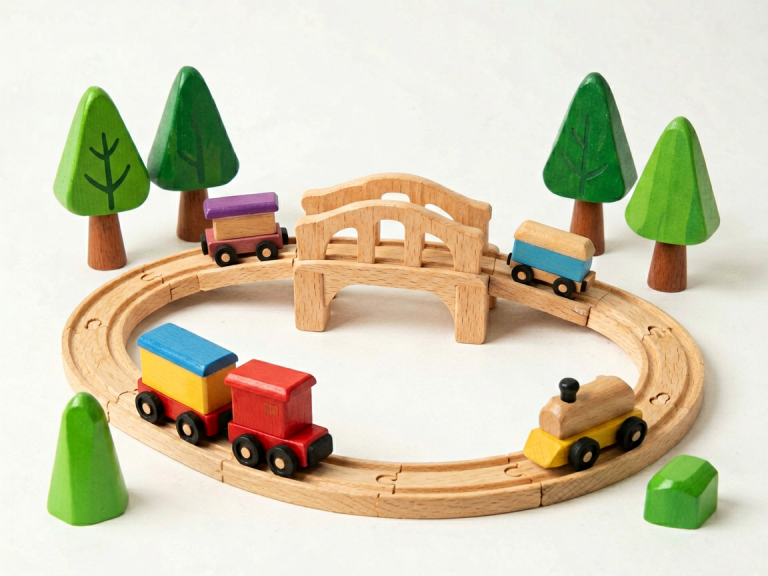
Choking hazards are another silent threat. The small parts test—a standard requirement for toys intended for children under three—is sometimes applied more loosely for figures or games aimed at older kids. But a five-year-old may still have a narrow airway, and many toys designed for ages 6+ contain tiny components like wheels, eyes, or screws that can become dislodged. In the second-hand market, the packaging with age warnings is often missing, and a parent may assume the toy is safe for a five-year-old simply because it looks large or sturdy. I recall a case reported in a consumer safety blog: a family bought a used wooden train set from a neighbor. The set included a small metal bell that was glued onto the engine. After two months of play, the glue dried and cracked, and the five-year-old swallowed the bell. Emergency surgery was required to remove it. The original manufacturer had intended the set for children aged 8 and up, but the missing label concealed that fact.
Why Age Matters: The Vulnerability of Five-Year-Olds
Five-year-olds occupy a transitional zone between toddlerhood and early school age. They are independent enough to manipulate objects with dexterity but lack the judgment to anticipate consequences. They are curious about how things work, leading them to dismantle toys, pull at strings, or insert objects into electrical outlets. Their immune systems are still developing, making them more susceptible to infections from germs harbored in previously used toys. Moreover, their bodies are rapidly growing, and the effects of low-level toxic exposure—such as lead or cadmium—can accumulate over months or years, impairing development in ways that may not be apparent until much later. A five-year-old also engages in pretend play that may involve putting toys in their mouth (e.g., pretending to eat plastic food), running with toys in their hand, or climbing on unstable toys. These behaviors, normal for the age, become dangerous when a toy is structurally weak or chemically contaminated.
How to Assess Second-Hand Toys Before Buying
Given these risks, what can a parent do? The answer is not to avoid second-hand toys entirely—that would be impractical and environmentally unfriendly—but to adopt a rigorous assessment protocol. First, always check for visible wear: cracks, rust, peeling paint, missing screws, loose seams, or broken parts. Any sign of damage should disqualify the toy. Second, look for safety marks: the CE marking in Europe, the ASTM F963 standard in the United States, or equivalent regional certifications. These marks indicate that the toy was tested at the time of manufacture, though they do not guarantee the toy’s current condition. Third, inspect for small parts. Use a choke test tube or simply your finger: if a part can fit completely into the mouth of a toilet paper tube, it is a potential choking hazard for a five-year-old. Fourth, smell the toy. A strong chemical odor—like gasoline, paint thinner, or musty mold—is a red flag. Fifth, check the battery compartment: it should require a screwdriver to open, and the screws should be present and tight. Finally, search online for the toy’s brand, model, or any distinguishable numbers to see if it has been recalled. The CPSC’s website allows you to search by product name or recall date.
For stuffed toys, wash them thoroughly in hot water with non-toxic detergent, and check for any loose eyes or ribbons. For plastic or wooden toys, wipe them down with a mild disinfectant and allow them to air dry. However, surface cleaning does not remove lead or phthalates embedded in the material. Therefore, if you suspect an older toy might contain toxic substances, it is better to err on the side of caution and not purchase it. A simple home lead test kit—available at most hardware stores—can give you peace of mind, though it may not detect all contaminants.
Legal and Moral Responsibilities of Sellers and Buyers
On a broader scale, the responsibility for unsafe second-hand toys extends beyond individual shoppers. Sellers—whether private individuals on Facebook Marketplace, charities running thrift stores, or online resellers—have a moral, and in many jurisdictions a legal, obligation to ensure that toys are reasonably safe. In the United States, the Consumer Product Safety Improvement Act (CPSIA) requires that certain children’s products, including toys, meet testing and labeling requirements, even when sold second-hand, though enforcement is spotty. In the European Union, the General Product Safety Directive applies to all products placed on the market, including second-hand goods. Yet in practice, a garage sale seller may be unaware of these laws, and a thrift store may not have the resources to test every donated item. Therefore, buyers must act as the last line of defense.
Morally, we have a duty to protect the most vulnerable—our children. A bargain is not a bargain if it costs a child’s health or life. Community education can make a difference: parents can share recall information, host toy swap events with safety checks, and advocate for clearer labeling on second-hand goods. Social media groups dedicated to parenting frequently discuss safe second-hand shopping, and many local governments have programs to distribute free lead test kits or offer safe toy donation guidelines.
Conclusion: When in Doubt, Leave It Out
The allure of a cheap, nostalgic, or environmentally friendly second-hand toy is powerful. But the risks of buying unsafe toys for five-year-olds are too great to ignore. Lead poisoning, choking, battery burns, and mold allergies are not abstract statistics—they are real outcomes that can alter a child’s life trajectory. As parents, we must balance frugality with vigilance. Before handing over a few coins for that vintage teddy bear or that nearly-new construction truck, pause and examine it as if your child’s safety depends on it—because it does. Remember: the best toy for a five-year-old is not the most affordable, but the one that sparks joy without sparking danger. In the end, a clear rule of thumb applies to second-hand toys: when in doubt, leave it out. Your child’s laughter is priceless, and so is their well-being.